Endurance racing is a gamble against nature. Sometimes, nature calls your bluff in the worst possible way.
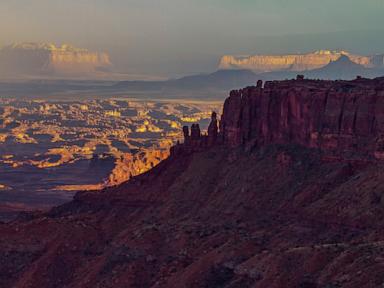
Roughly 70 runners and race volunteers participating in the brutal Moab 240 ultramarathon found themselves isolated near Bridger Jack Mesa after severe downpours flooded local dirt roads and turned the Utah backcountry into a logistical maze. When heavy weather fueled by tropical moisture systems moves across the desert, race tracks that look manageable on Friday can become impassable washouts by the weekend.
If you are tracking how endurance events manage crisis situations, you know that keeping hundreds of athletes safe across hundreds of miles of remote terrain is a massive logistical tightrope act. Race officials didn't just leave people stranded to fend for themselves; they coordinated emergency supplies, heated tents, hot food, and water to the aid stations cut off by the rising water and mud.
What Actually Happens When an Ultramarathon Goes Wrong
The Moab 240 is a grueling 241.8-mile monster. It snakes through desert singletrack, brutal canyons, slick-rock expanses, and mountain ranges framed by Canyonlands and Arches National Parks. It is designed to test human physical limits. But no amount of training prepares you for impassable flash-flood zones that trap vehicles and cut off exit routes.
When heavy rain hit the region, dirt roads leading to remote checkpoints turned into thick, impassable mud. Race directors faced a choice: push runners forward blindly or hold them in place at supplied checkpoints until conditions stabilized. They chose safety, holding participants and support crews at designated aid stations stocked with emergency gear.
Why Backcountry Safety Protocols Matter
People always ask how races can let people run when storms brew. The reality is that desert weather forecasts shift rapidly. What looks like a manageable drizzle can easily transform into localized flooding that blocks support vehicles.
Experienced race organizers build redundancy into their plans. Aid stations are staffed with veteran medics and stocked with extra calories, warm layers, and hydration reserves precisely for these scenarios. When vehicles can't get in or out, those static aid stations become lifesavers.
Preparing for the Unexpected on the Trail
If you run long distances, you need a healthy respect for mountain and desert weather. Never assume a race organization will save you instantly if things go sideways.
- Pack your mandatory gear even if the sky looks clear at the starting line.
- Know the bailout points along your route before you toe the start line.
- Listen to course marshals immediately when they tell you to hold position at an aid station.
Emergency evacuations in rugged terrain are messy, slow, and dependent on weather clearing enough for ground crews to navigate washed-out tracks. Respect the forecast, respect the distance, and remember that finishing a race always takes second place to walking away alive.