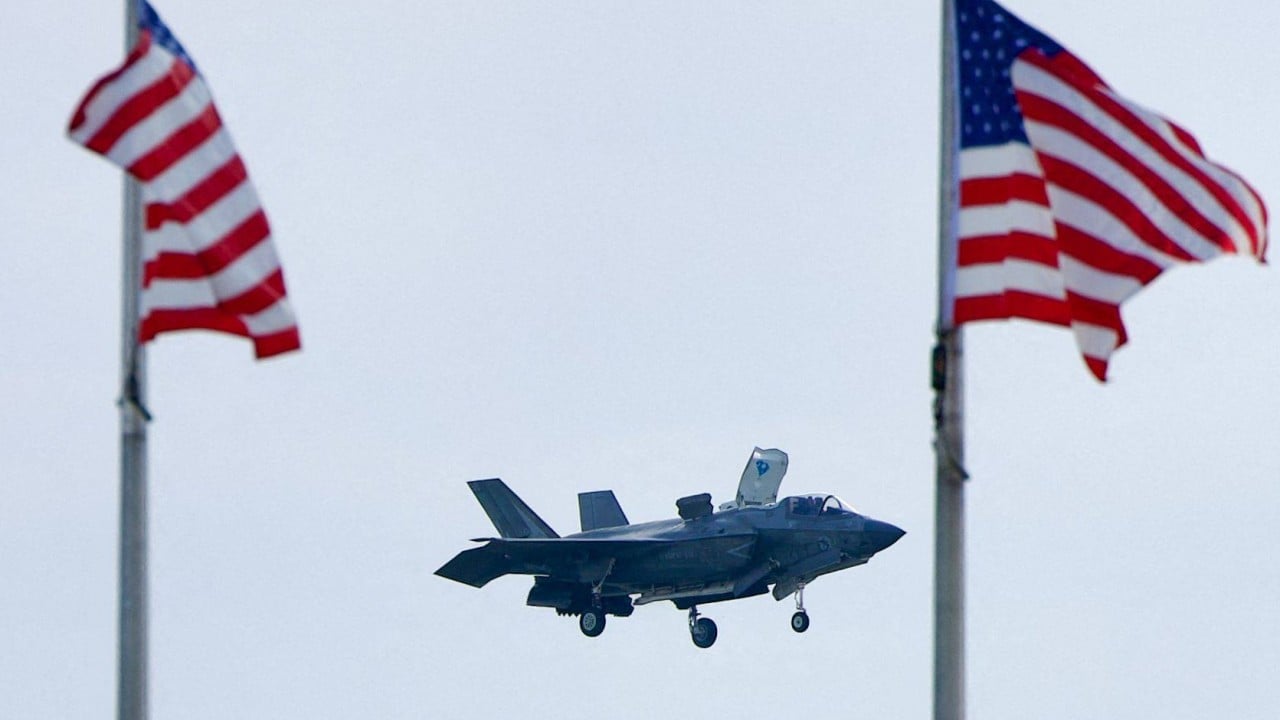
The Pentagon just pulled the plug on public oversight for the most expensive weapons program in human history.
For more than twenty years, the public had a window into the dizzying, costly development of the F-35 Joint Strike Fighter. Every year since 2005, a congressional watchdog known as the Government Accountability Office (GAO) published a detailed, warts-and-all audit of the program. This report was the primary way taxpayers, national security analysts, and foreign allies knew whether the jet was actually working.
Now, that window is slammed shut.
By classifying the latest annual review as "Controlled Unclassified Information" (CUI), the Department of Defense blocked the report from public release. The only thing the public gets to see is the title: F-35 Joint Strike Fighter: Update on Production and Modernization Efforts.
This is not a matter of keeping military secrets from foreign adversaries. The report does not contain classified tactical data. Instead, this looks like a blatant attempt to avoid public embarrassment over a jet that is struggling to fly, let alone fight.
Inside the Pentagon Decision to Hide the F-35 Report
The annual GAO reviews are famous for their brutal honesty. They have consistently exposed software delays, parts shortages, and eye-watering cost overruns. However, the Pentagon's sudden use of the CUI designation marks a dramatic shift in how the military handles accountability.
What is CUI? It is a bureaucratic label meant for sensitive but unclassified information that requires safeguarding. Critics argue it has become a convenient rug under which the Pentagon can sweep its worst failures.
By keeping this report behind closed doors, the military is starving the public of answers. Congress still gets to read the document, but the people paying the bill are left completely in the dark. This decision breaks a two-decade streak of transparency. It signals that the F-35’s current state is likely far worse than officials are willing to admit publicly.
The Dangerous Threat to Military Transparency
Shutting down the flow of information is a disaster for defense accountability. The F-35 program is not a minor research project. It is a massive, multi-decade endeavor estimated to cost over $1.6 trillion—and potentially up to $2 trillion—over its lifetime.
When the Pentagon hides the data, everyone loses.
- Taxpayers have no way of knowing how their billions are spent.
- Defense analysts cannot independently assess whether the U.S. is maintaining a technological edge.
- International partners like the UK, Israel, Japan, and Poland—who have bought into the program based on performance promises—are forced to trust a closed-door process.
- Investors in defense giants like Lockheed Martin are left guessing about the financial health of the program.
If the program was going well, the Pentagon would be shouting the results from the rooftops. The sudden wall of silence points to one logical conclusion: the F-35 is in serious trouble.
What the Defense Department is Trying to Hide
To understand why the Pentagon hid the report, we have to look at what we already know about the F-35's recent struggles. The jet is currently drowning in a sea of software glitches, hardware delays, and poor readiness rates.
The Disaster of Technology Refresh 3
The jet's latest upgrade package, Technology Refresh 3 (TR-3), was supposed to give the aircraft the processing power needed for future combat. Instead, it has been an absolute mess.
The software has been described as barely usable. It frequently crashes, experiences chronic stability issues, and has forced the military to accept aircraft with limited capabilities just to keep deliveries moving. The upgrade promised massive increases in memory and processing power, but testing revealed it delivered virtually zero new combat capabilities.
Pilots are flying jets with software that is acceptable for basic training but unfit for actual combat. Important combat features, like advanced infrared imaging and the ability to carry extra air-to-air missiles, remain locked behind broken code.
Scaling Back the Scope of Block 4
Because of the TR-3 failures, program officials have quietly begun reducing the scope of the F-35’s planned modernization phase, known as Block 4.
This is a quiet admission of defeat. Block 4 was meant to deliver the ultimate version of the stealth fighter. By cutting planned features, the government is essentially admitting the F-35 will never live up to the ambitious promises used to sell the jet to the American public and international allies.
Readiness Rates Are Falling Off a Cliff
If a fighter jet cannot fly, it is just a very expensive paperweight.
Recent data reveals a staggering collapse in F-35 readiness. The aircraft's "Full Mission Capable" rate—the percentage of jets ready to perform all their assigned combat missions—has plummeted from 38 percent in 2021 to a miserable 25 percent.
That means only one in four F-35s is fully ready for combat at any given moment.
The general "Mission Capable" rate, which includes jets that can fly but might not have all systems working, fell from 67 percent to 44 percent over the same period. This is not a functioning fleet. It is a logistical nightmare.
The Trillion Dollar Money Pit
Instead of holding contractors accountable for these failures, the Pentagon has historically thrown more money at the problem.
The military has paid hundreds of millions of dollars in "incentive fees" to Lockheed Martin since 2020 to improve the jet's readiness. Yet, readiness rates got worse. Even more embarrassing is that the Joint Program Office lacked accurate records of the actual incentive fees paid out during key years.
Now, the Pentagon is trying to arrest this decline with a new strategy called the "Global Support Solution Reset". This plan requires an extra $13.7 billion in funding.
Where is that money coming from? Individual military branches are expected to foot the bill. While the Air Force claims it can absorb the cost, the Navy and Marine Corps have warned that competing priorities might limit what they can contribute.
By the mid-2030s, the military will face a massive gap of over $1 billion annually between what the F-35 costs to maintain and what the services can actually afford. We are building a fleet we cannot afford to fly.
How to Get the F-35 Program Back on Track
Hiding the data will not fix the planes. We need to stop pretending the F-35 is a runaway success and start treating it like the troubled program it is.
If the government wants to salvage this project, it must take immediate, drastic steps.
1. Kill the Incentives and Enforce Penalties
Paying contractors bonus fees while performance metrics drop is madness. The Pentagon must restructure its contracts to stop rewarding late deliveries and broken software.
If a contractor fails to deliver a combat-ready aircraft on time, they should face severe financial penalties. The focus must shift from rewarding effort to demanding results.
2. Mandate the Transfer of Technical Data
One of the biggest bottlenecks in F-35 maintenance is that the military does not own the technical data to fix its own planes.
Every time a component breaks, the military is heavily dependent on private companies to repair it. This dynamic creates a monopoly where the contractor holds all the cards. The Pentagon must demand the transfer of technical repair data so military technicians can maintain these aircraft on the front lines without waiting for corporate permission.
3. Ban the Abuse of CUI Labels
Congress needs to investigate the Pentagon's sudden use of Controlled Unclassified Information to block watchdog reports.
Using this label to hide embarrassing program delays is a threat to democratic oversight. Lawmakers must pass legislation that explicitly prevents the military from suppressing independent audits unless there is a clear, legitimate risk to national security. Transparency should be the default, not the exception.