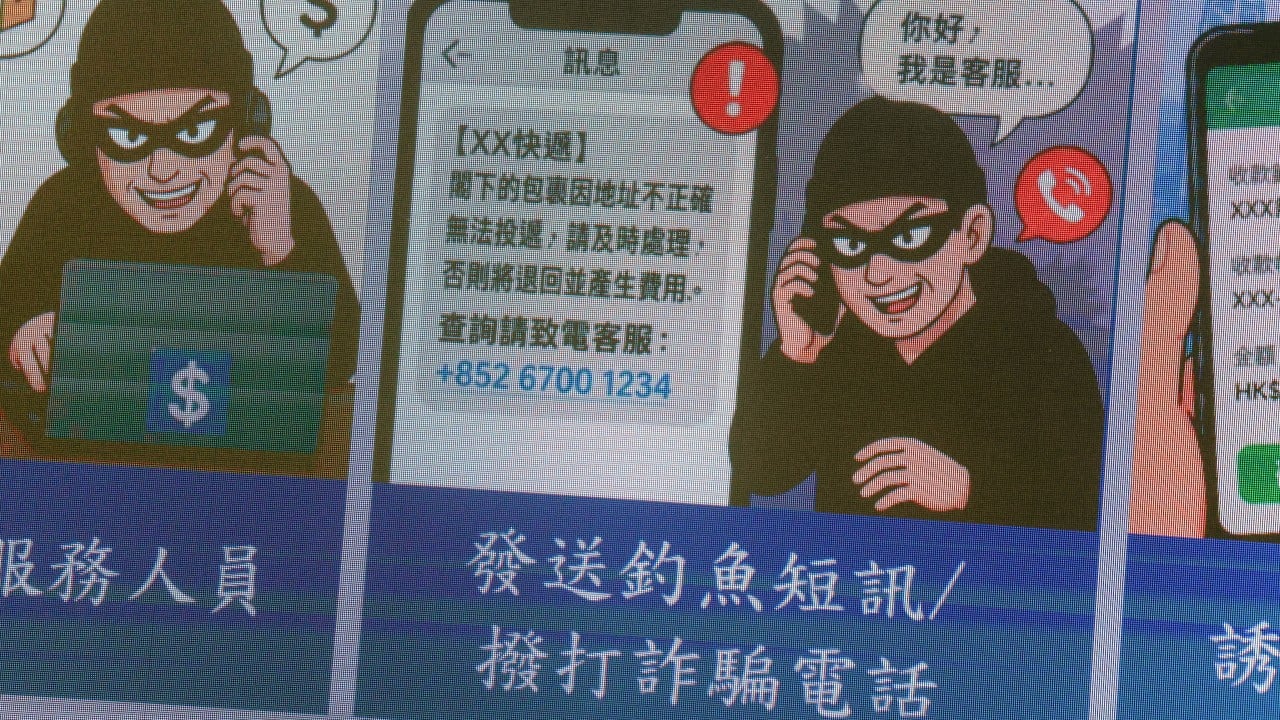
You get a call from someone claiming to be a customer service representative. They tell you there is an issue with your account, an unauthorized subscription, or a fraudulent charge that needs immediate fixing. It sounds completely routine. That is exactly why it works.
Hong Kong police recently revealed a staggering spike in phone fraud. Losses tied to telecommunication scams surged by 56 percent in the first half of the year, hitting HK$900 million. Impersonating corporate or platform customer service has rapidly become the go-to weapon for modern fraud rings.
If you think you would spot the trick right away, you might want to think again. Scammers have shifted away from clunky, obvious scripts. They now use highly organized social engineering tactics that mimic real support centers down to the last detail.
The Mechanics Behind the Fake Support Ruse
Why are people falling for this? Criminals rely heavily on context. They catch you when you are busy, distracted, or waiting on an actual delivery or refund.
The playbook usually looks identical across different syndicates:
- The initial call claims an irregular transaction, a fake premium insurance plan, or a membership renewal you never authorized.
- The caller acts helpful, professional, and urgent. They create an immediate sense of panic by warning you that money is actively leaving your account.
- Once you panic, they direct you to download a third-party app, share verification codes, or transfer funds to a "secure safety account" to freeze the transaction.
It sounds absurd in hindsight, but when someone sounds like an official corporate worker, your brain drops its guard. Police notes show that fake customer service calls make up a massive chunk of overall telephone deception cases.
Beyond the Typical Target
Older adults used to bear the brunt of these telephone schemes, but things have changed. Educated professionals and younger digital natives get hooked just as easily. Why? Because the touchpoints are things we use daily: online shopping platforms, major mobile service providers, and digital banking apps.
When a fraudster calls and quotes bits of your real personal information—often scraped from previous data leaks—you stop questioning their identity. They frame themselves as the hero trying to save you from losing money, which completely flips your defensive instincts upside down.
Corporate environments are also feeling the heat. Fraudsters have expanded past basic relative-in-distress plots to impersonate company bosses, colleagues, or suppliers. Employees handling routine corporate transactions get caught off guard by urgent requests that mirror everyday business communication.
How to Protect Yourself Today
You don't need to live in fear of your phone ringing, but you do need a hard rule: never trust incoming urgency.
If a support agent calls you out of the blue with an emergency, hang up. Do not argue with them, do not verify details, and do not follow instructions to click links or download remote desktop tools.
Find the official customer service number independently. Look at the back of your credit card, visit the verified website directly through your browser, or open your banking app. Call them back through those official channels to check if an issue actually exists. Real companies will never ask you to transfer funds to a personal account or demand immediate cash handovers to clear an investigation.
Keep your guard up, verify everything independently, and treat every unexpected support call as hostile until proven otherwise.