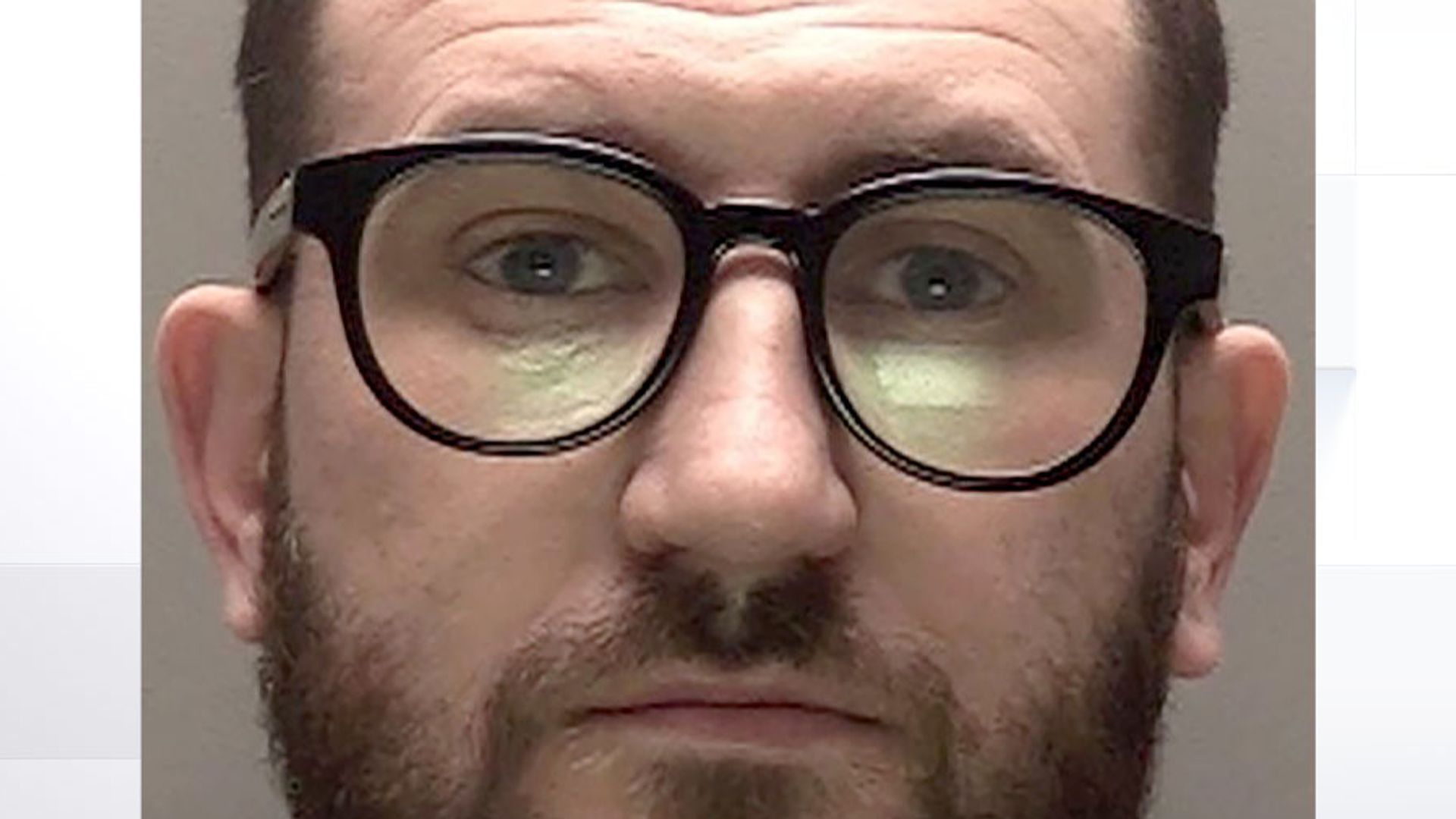
Motorists think they can outsmart vehicle technology until telematics data proves otherwise. Nathan Owen learned this truth the hard way after staging a terrifying motorway emergency to escape finance payments.
If you remember the March 2024 headlines, a black Jaguar I-Pace forced a major emergency response across Merseyside and Greater Manchester. The driver called 999 claiming his electric vehicle had gone rogue at high speeds, completely ignoring brake inputs due to an electrical malfunction. Police cars had to box the vehicle in on the M62 to bring it to a safe halt, avoiding what looked like a catastrophic software failure.
It was all an elaborate lie.
An extensive technical investigation by Merseyside Police and Jaguar Land Rover revealed that the car functioned perfectly. Vehicle data proved Owen never pressed the brakes once during the entire ordeal. In fact, he kept his foot firmly on the accelerator. The only reason the car eventually stopped was because the battery ran out of charge.
The Real Motive Behind the Stunt
Why would someone put themselves and other road users at risk like that? Money.
Court proceedings revealed that Owen faced mounting personal debt and missed car finance payments totaling over four,400 pounds. Text messages recovered from his phone showed him actively discussing ways to get rid of the vehicle or get it written off. Staging a dramatic runaway car hoax seemed like a clever loophole to dodge his financial obligations.
Instead, it bought him a criminal record and a prison sentence.
At Liverpool Crown Court, Owen was sentenced to four years and three months behind bars after pleading guilty to dangerous driving and fraud. He also received a five-year driving ban. Judges don't look kindly on stunts that tie up emergency services and put innocent drivers in physical danger on busy motorways.
How Modern Car Telematics Ruin Elaborate Lies
People often forget that modern cars act like computers on wheels. You can't just tell a story about a mechanical failure and expect it to fly.
Every single action you take gets logged. Throttle position, steering angles, brake pedal pressure, and speed are constantly recorded by internal control modules. When police investigators pulled the data logs from the Jaguar I-Pace, the electronic footprint completely dismantled Owen's narrative in minutes.
Vehicle manufacturers and law enforcement share advanced methods to analyze accident scenes and mechanical claims. If a component genuinely fails, the forensic evidence proves it. If a driver fakes a fault to commit insurance fraud or evade consumer debt, the digital telemetry exposes the deception instantly.
The Wider Impact on Public Perception
Stunts like this do real damage beyond the immediate legal fallout.
When sensational reports about runaway electric cars hit the news, they feed into existing skepticism about new vehicle technology. Critics jump on the headlines to claim that EVs are unsafe or prone to unprompted acceleration. When the truth comes out months later, the damage to public trust is already done.
Fabricating a dangerous driving scenario to clear your debts isn't just illegal. It's a massive gamble that fails the moment experts look under the hood of your story.
Check your vehicle agreements, manage your debts through legal channels, and remember that modern telemetry will always tell the truth long before you finish your 999 call.


