Anyone who bought into the brief summer peace in the Middle East just got a brutal wake-up call. The oil market was resting on a house of cards. That house collapsed late last night when the fragile truce between Washington and Tehran went up in flames, proving that the calm we saw over the last few weeks was nothing but a mirage. If you thought the energy crisis of early 2026 was behind us, think again. The fresh hostilities between US and Iran have shattered any hope of a stable economic recovery this year.
Oil prices didn't just tick upward when the news broke. They exploded. Brent crude futures flew up by more than 5.5%, busting past $78 a barrel, while US West Texas Intermediate jumped to over $74. It is a stunning reversal for a market that had spent the early part of the summer settling back down toward pre-war levels. Traders who spent June amassing massive short positions, betting that the conflict was winding down, are now scrambling for the exits. They got burned.
This isn't just a minor diplomatic spat. It is a full-blown military and economic escalation. Speaking from the sidelines of the NATO summit in Ankara, Turkey, US President Donald Trump didn't mince words. When asked if the hard-fought interim ceasefire agreement was dead, his response was as blunt as it gets. "To me, I think it's over," Trump told reporters. He added that dealing with Tehran was "just a waste of time." With those few words, months of delicate back-channel diplomacy brokered by Pakistan were wiped off the board.
The immediate trigger for this latest chaos was a series of rapid-fire military exchanges over the last 36 hours. It started in the waters of the Strait of Hormuz, where three commercial tankers were attacked. The US blamed Iran. The White House ordered massive retaliatory airstrikes, hitting more than 80 targets across Iran with precision munitions. Tehran didn't back down. Within hours, Iranian combat drones were raining down on US military positions at the Sheikh Isa Air Base in Bahrain and logistics hubs in Kuwait.
We are right back where we started in February when Operation Epic Fury first turned the region into a war zone. The temporary diplomatic band-aid has been ripped off. The global economy is staring down the barrel of another major energy supply crunch.
The Short Lived Truce is Dead
To understand how badly the market miscalculated, you have to look at what was supposed to happen versus the ugly reality on the ground. The interim agreement signed on June 17 was meant to buy time. It established a 60-day window for negotiators to figure out a permanent fix to the war that began back on February 28. Under that deal, the US Treasury Department actually issued a sanctions waiver allowing Iran to sell its crude on the global market until August 21. It even let international buyers pay Tehran in US dollars.
That waiver is history. Along with the midnight airstrikes, the US Treasury officially revoked the license, locking Iranian crude back out of the global financial system.
The truce was always built on a lie. Both sides were using the pause to reposition their chess pieces. While the diplomat corps talked about peace, the maritime reality inside the Persian Gulf was getting more dangerous by the day. Iran had promised to ensure safe passage for commercial shipping through the Strait of Hormuz as part of the June deal. But there was a massive catch. Tehran demanded that all ships use a specific northern route directly under the eyes and control of the Islamic Revolutionary Guard Corps.
The US Navy and its allies refused to play along. They continued escorting tankers through the southern corridor along the coast of Oman. Because the middle of the strait is heavily mined from the intense fighting earlier this year, shipping lanes are incredibly narrow.
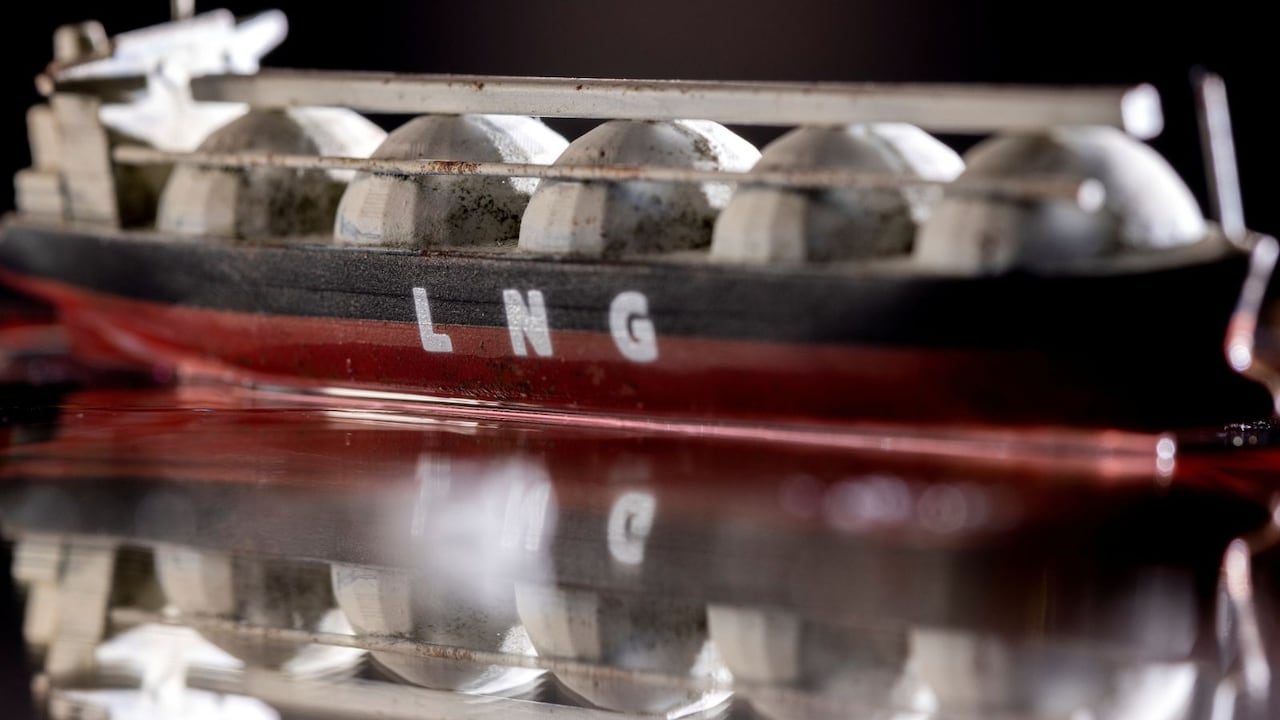
The friction point finally snapped on Tuesday. Three commercial vessels trying to navigate the southern route came under direct attack. According to the Joint Maritime Information Center, the targets included a Saudi-flagged oil supertanker named the Wedyan and a Qatari liquefied natural gas carrier called the Al Rekayyat. The Qatari vessel was struck squarely by a drone, starting a major fire in its engine room that forced the evacuation of the crew.
Iran didn't formally claim the strikes, but their state media dropped plenty of hints, claiming at least one vessel had ignored explicit warnings from naval patrols. That was the final straw for Washington.
What the New Hostilities Between US and Iran Mean for Your Energy Bill
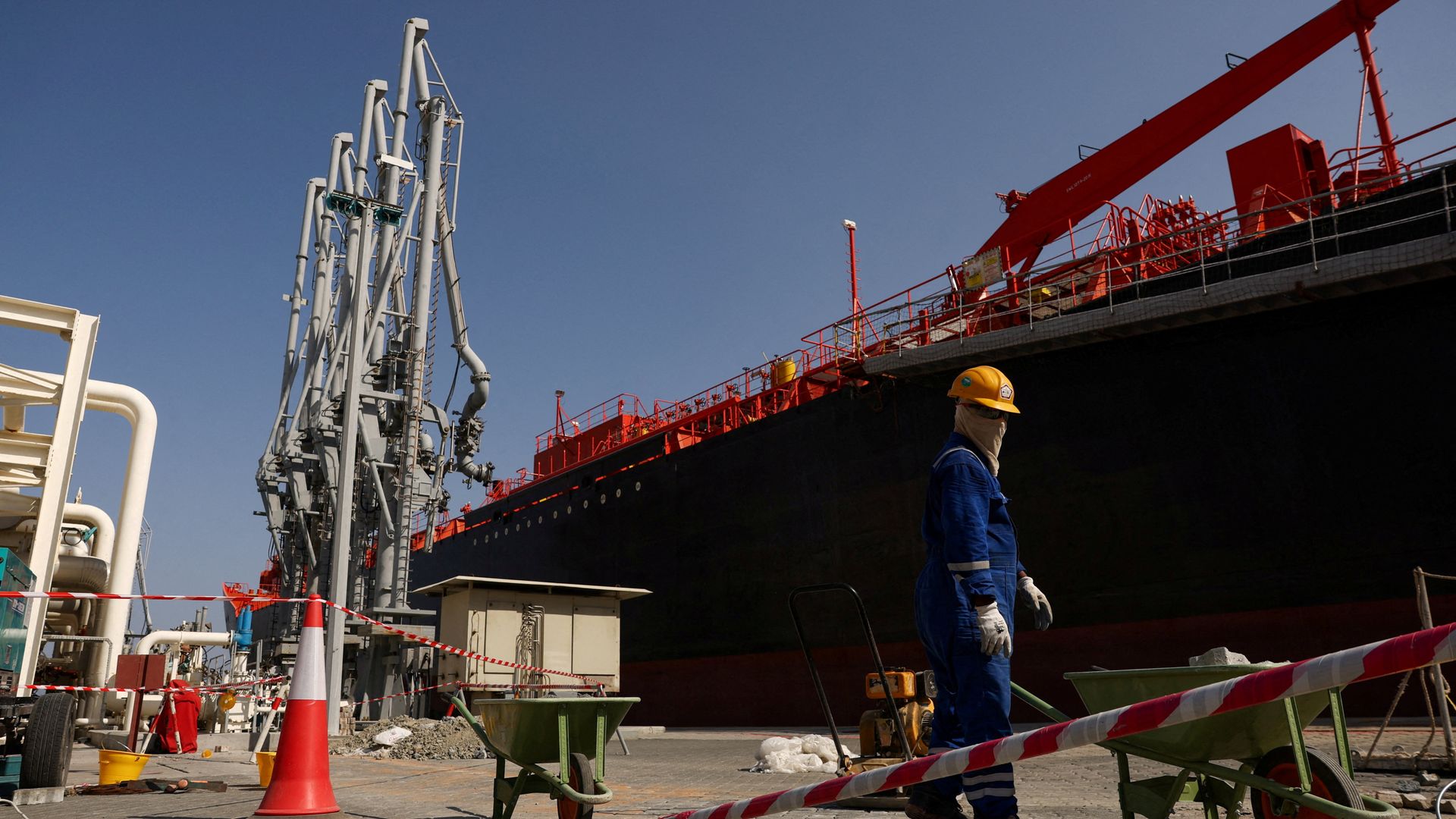
If you think this is just a localized conflict that won't impact your day-to-day life, you're dreaming. The Strait of Hormuz is the jugular vein of the global energy architecture. About 20% of the world's total petroleum liquids and a massive chunk of global LNG move through that tiny body of water. You can't just reroute an oil supertanker overnight.
When the Strait is threatened, global supply chains don't just bend. They snap.
Why the Strait of Hormuz is the Ultimate Chokepoint
Look at the geography. The shipping lanes are only a few miles wide in each direction. During the initial outbreak of the war in March, shipping traffic dropped by more than half. Even during the brief ceasefire, volumes never recovered to where they were before the war. Insurance companies went into a panic. They raised maritime war risk premiums to exorbitant levels, making it virtually unprofitable for independent tanker operators to enter the Persian Gulf at all.
Now that the threat level has officially been raised back to "severe," expect commercial traffic through the Strait to slow to a painful trickle. Ships are already turning around or anchoring outside the Gulf of Oman, waiting to see if more drones will fly.
The Ghost Fleet and Revoked Sanctions
The revocation of the US Treasury waiver hits the market from the other side. Over the last few weeks, Iranian oil had started flowing back into global markets, providing a much-needed buffer that helped drag Brent crude down from its March highs of over $100 back toward $70. Much of that oil travels via the so-called "ghost fleet"—uninsured, older tankers that change names and flags to dodge international oversight.
By killing the legal waiver, the US is forcing global banks and compliance departments to lock down completely. The extra barrels the market was counting on for the late summer driving season are vanishing.
How Oil Traders Got Blinded by Optimism
The financial markets are famous for short memories. After the initial shock of the war's start in February—which saw the historic elimination of Iran's top leadership in the opening hours—traders gradually grew accustomed to the headlines. By May and June, algorithmic trading desks were treating the Middle East war as a solved problem. They looked at the falling prices, looked at the rising US oil production, and assumed the worst was over.
That was a catastrophic mistake.
Wall Street institutions like HSBC had just downgraded their 2026 Brent price forecasts to $80, assuming that things would return to normal by September. They completely ignored the structural hatred and tactical realities on the ground. When the US Central Command confirmed it had blasted 80 targets inside Iran, the entire market structure flipped upside down in a matter of minutes.
The prompt timespread for Brent crude—the price difference between oil delivered immediately and oil delivered three months from now—shattered its previous trends. It shot into deep backwardation. That is technical speak for a market that is utterly terrified of running out of oil right now. When near-term oil trades at a massive premium to future oil, it means buyers are desperate to secure physical barrels today because they don't trust tomorrow's supply.
The shock is rippling well beyond the oil pits. Equity markets took a major hit on Wednesday morning. Tech stocks, which have been riding a massive wave of artificial intelligence speculation all year, saw sharp sell-offs. Investors are suddenly realizing that high energy costs mean persistent inflation. Persistent inflation means central banks like the Federal Reserve won't be cutting interest rates anytime soon. The easy-money party is hitting a brick wall built of geopolitical reality.
The Immediate Economic Fallout of Renewed War
The pain from this escalation won't be felt equally. Some regions are set to get absolutely hammered while others might find ways to insulate themselves.
Developing nations in Asia are sitting directly in the blast zone. Countries like South Korea, Taiwan, and Singapore are incredibly reliant on energy imports that originate in the Persian Gulf. During the first phase of the crisis in the spring, we saw fuel rationing pop up in European nations like Slovenia, where drivers were limited to 50 liters of fuel per day to prevent cross-border hoarding. Airlines across Southeast Asia have spent the year slapping heavy fuel surcharges on tickets or cancelling routes entirely because jet fuel supplies dried up.
We are about to see those exact same economic defense mechanisms kick back into high gear.
The structural damage to global energy investment is already visible. The International Energy Agency recently noted that global energy spending is undergoing its most radical shift since the 1970s. Capital is fleeing traditional Middle Eastern supply routes. Money is flowing into US shale and new LNG infrastructure in parts of the world deemed safe from drone strikes. But building a liquefaction plant or drilling out an entirely new oil field takes years. It doesn't help a factory owner in Europe or a commuter in Chicago pay their bills next week.
Your Tactical Next Steps
The diplomatic playbook is dead. Sitting around and hoping that Washington and Tehran will patch things up is a losing strategy. If you manage corporate supply chains, oversee an investment portfolio, or run a business vulnerable to logistics costs, you need to pivot immediately.
- Lock in energy hedges now. If your business depends on diesel, jet fuel, or heavy freight, don't wait for Brent to clear $90. The backwardation in the market tells you everything you need to know about immediate scarcity.
- Audit your maritime exposure. If you have cargo moving anywhere near the Western Indian Ocean or the Arabian Sea, expect shipping lines to declare force majeure or demand massive surcharges. Diversify to air freight or overland routes where possible, even if it hurts your margins short-term.
- Reallocate out of inflation-sensitive assets. The hope of a smooth, low-inflation economic runway for the rest of 2026 is gone. Re-evaluate your exposure to high-multiplier tech equities that rely on low interest rates and pivot toward defensive commodities and energy producers who stand to cash in on higher prices.
The situation is fluid, dangerous, and moving fast. The fresh hostilities between US and Iran have set a new baseline for global risk. Stop looking at the old charts. The rules of the market just changed again.