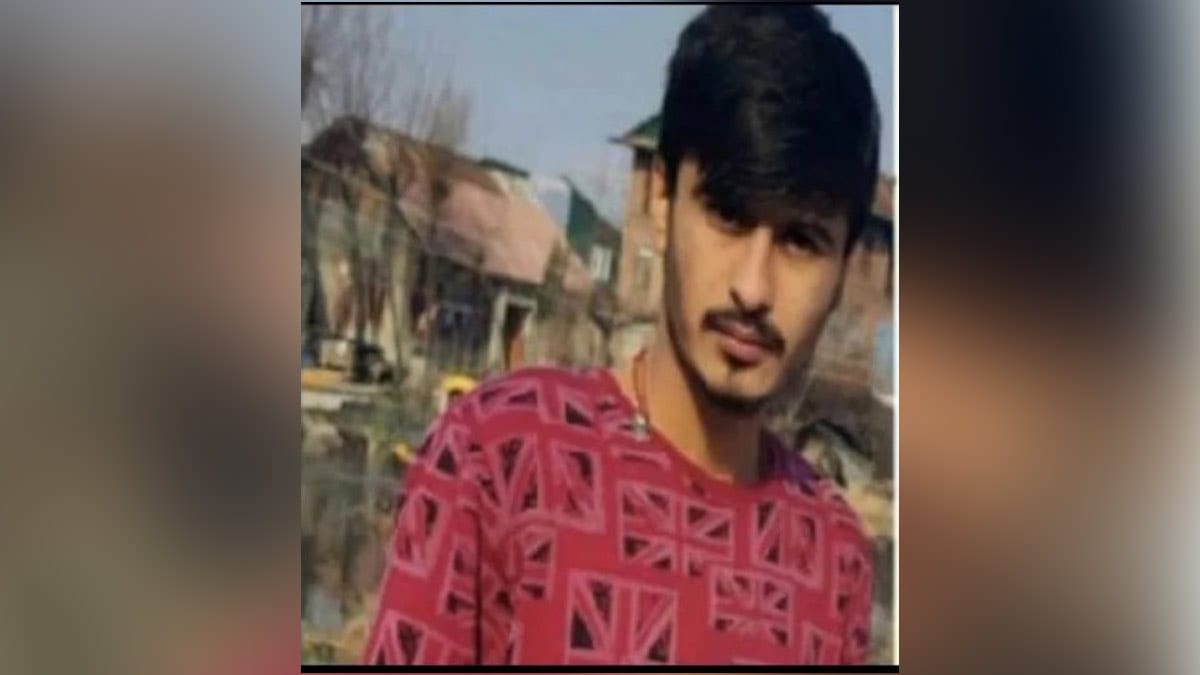
The FBI and immigration authorities didn't catch Himanshu Bhau by accident. They grabbed the 24-year-old fugitive in Las Vegas, Nevada, alongside his close associate Neeraj Faridpuria, after months of tracking an international syndicate operating out of hotel rooms and safe houses. For years, Bhau managed to run extortion rackets, targeted shootings, and contract murders across Delhi, Haryana, and Uttar Pradesh while sitting thousands of miles away. That digital illusion of safety shattered completely when US federal agents closed in.
If you have followed organized crime trends in North India, Bhau’s name is synonymous with a terrifying new wave of youthful, social-media-driven criminality. Born in 2002 in Ritoli village of Haryana's Rohtak district, he didn't wait to reach adulthood before entering the criminal underworld. Investigators note he was barely seventeen when his first major attempted murder charge was filed. By 2020, he had already engineered a dramatic escape from a juvenile correctional facility, pivoting swiftly into hardened syndicates and aligning himself with the Neeraj Bawana and Bambiha factions. This placed him directly at war with the Lawrence Bishnoi and Goldy Brar network, transforming parts of northern India into a bloody proxy battleground.
How the Net Tightened Around Himanshu Bhau
Law enforcement agencies had long struggled with the borderless nature of modern syndicates. Fugitives slip across state and international lines using forged passports, hiding behind encrypted messaging apps, and directing teenage recruits via Instagram. Bhau was a master of this playbook. An Interpol Red Notice was issued against him back in August 2023, listing nearly 18 separate criminal cases ranging from contract killings and kidnappings to brazen extortion.
The pressure peaked when Bhau's syndicate claimed responsibility for high-profile acts of violence, including the shocking gunfire outside the Gurugram residence of popular YouTuber Elvish Yadav. These stunts weren't just meant to terrorize victims; they were broadcasted online to recruit vulnerable youth. Gang leaders dangle clout and cash on social media, converting impressionable followers into foot soldiers who handle local drive-by shootings.
When federal officers tracked Bhau and Faridpuria—who had notably cut off his court-mandated ankle monitor—to the Las Vegas area, it marked a massive shift in how transnational criminals are handled.
Why US Immigration Detention Changes Everything
Getting a high-profile fugitive back to India used to mean wading through years of sluggish legal battles under traditional extradition treaties. Courtrooms, appeals, and diplomatic red tape often kept criminals sheltered abroad indefinitely.
Indian investigative agencies have shifted strategies. Instead of relying solely on slow-moving formal extraditions, security frameworks now leverage local immigration violations and administrative deportations in foreign countries. We saw this exact blueprint work when Anmol Bishnoi was detained in the US and subsequently deported to New Delhi.
Right now, Bhau and Faridpuria are sitting in ICE custody at the Henderson Detention Center near Las Vegas. Their immediate future depends entirely on immigration hearings, where any bids for asylum or relief from removal will be weighed by a US judge. Given the severity of their Interpol notices and active cancellation of legal status, enforcement and removal operations are moving swiftly to process their return.
Organized crime thrives on the illusion of permanent distance. Criminals think a forged passport and a foreign IP address can outrun a trail of bodies left back home. But as federal detention centers fill up with runaway bosses, that distance is shrinking fast. The network is running out of safe spaces.