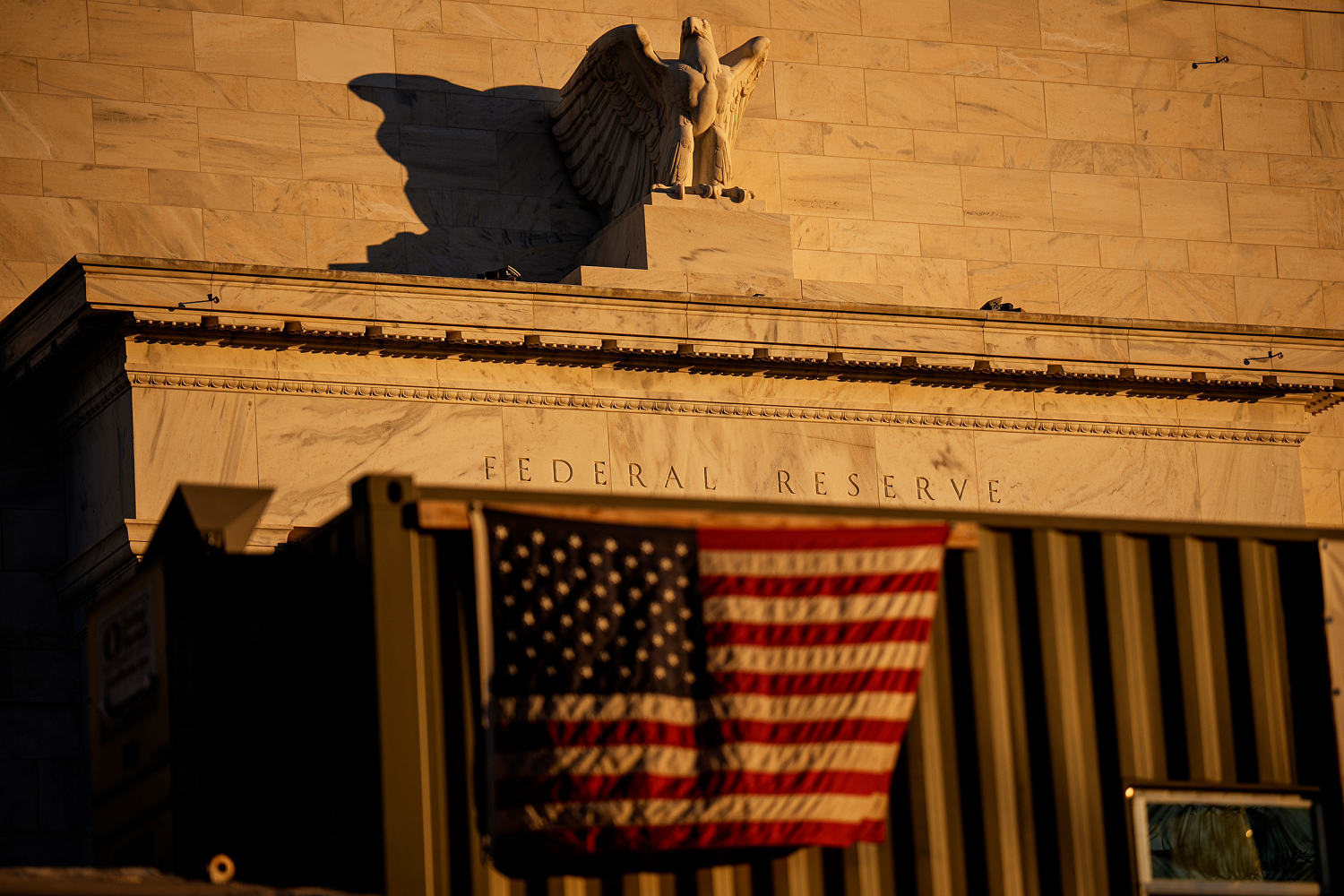
Borrowing costs are climbing again. For the first time since 2023, the Federal Reserve has pushed interest rates upward, signaling an aggressive pivot in monetary policy that caught many Wall Street analysts off guard.
If you thought cheap money was returning for good, you were wrong. Central bankers are staring down sticky inflation metrics and shifting labor data, forcing their hand. Political pressure from the White House didn't work either. Federal Reserve leadership stood their ground, proving that political lobbying rarely overrides hard economic realities.
Why the Pivot Happened Now
For months, markets priced in a prolonged pause or even steady rate cuts. Investors wanted relief. Homebuyers waited for mortgages to drop. Corporate borrowers built financial models around cheap debt.
Inflation didn't cooperate. Consumer prices refused to settle neatly into the two percent target zone. Sticky service costs and volatile commodity prices kept central bank officials awake at night. When price stability faces a credible threat, monetary authorities tighten the screws. It is that simple.
Economics textbooks teach you that raising borrowing costs cools economic activity. It makes loans expensive, discourages speculative borrowing, and forces businesses to scrutinize capital expenditures. But theory looks cleaner than reality. Real people feel the squeeze immediately on credit card balances, auto loans, and variable mortgages.
The Political Clash Behind Closed Doors
Central bank independence always faces tests during high-inflation cycles. This cycle is no exception. Public demands from political figures to lower borrowing costs fell flat on deaf ears at Eccles Building.
This standoff highlights a fundamental tension. Elected officials want short-term economic stimulation to appease voters. Central bankers look at multi-year horizons to protect currency value and long-term purchasing power. When these two forces collide, market volatility spikes.
Smart investors watch central bank actions, not political rhetoric. When the Fed signals a willingness to hike rates despite intense public backlash, you should pay attention. It means inflation fears outweigh growth fears right now.
How to Protect Your Portfolio Right Now
Sitting on cash feels safe when yields on short-term instruments look attractive. But holding cash long-term while inflation erodes purchasing power is a losing game. You need a deliberate strategy to navigate this high-rate environment.
- Lock in yields where possible: If you have cash sitting in low-yield accounts, move it into fixed-income options or high-yield savings vehicles that match or beat current inflation prints.
- Audit your debt: Variable-rate debt is a ticking time bomb when borrowing costs trend upward. Refinance into fixed structures if you can still secure manageable terms.
- Focus on pricing power: Companies that can pass higher costs onto consumers without losing market share will survive and thrive. Avoid heavily leveraged businesses that rely on cheap credit to service existing obligations.
What Comes Next
The era of zero-percent interest rates is a historical anomaly, not the baseline. We are returning to a traditional monetary framework where capital has a real cost.
Expect bumpy trading sessions ahead. Bond markets will react sharply to every upcoming jobs report and consumer price index release. Do not panic-sell your long-term assets because of monthly noise. Build resilience into your financial plan, keep your debt low, and prepare for higher borrowing costs to stay for the foreseeable future.