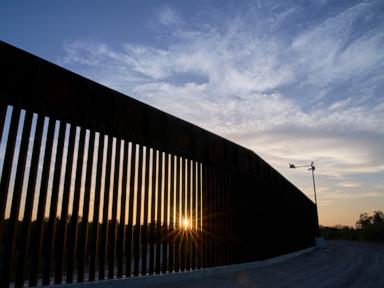
When a federal judge steps in to stop a massive infrastructure project, it makes headlines. When they refuse, construction simply roars ahead. Another federal court recently declined to halt the Trump administration from moving forward with 62 miles of international border wall spanning parts of a Native American tribe's reservation.
If you've followed these land and sovereignty battles over the years, the outcome probably doesn't shock you. But the mechanics behind why these lawsuits keep failing deserve a closer look.
The Power of the Federal Waiver
At the center of almost every single one of these legal showdowns sits a massive legislative shortcut: the waiver authority granted under the Illegal Immigration Reform and Immigrant Responsibility Act of 1996.
Congress wrote a clause that allows the Department of Homeland Security to bypass virtually any federal law to fast-track physical barriers. Environmental regulations, cultural protection statutes, historical preservation mandates—they can all be swept aside with the stroke of a pen.
Tribal nations frequently argue that pushing construction through sovereign territory without genuine consultation violates core legal protections and desecrates sacred grounds. They aren't wrong about the disruption. But courts repeatedly rule that because the executive branch holds broad statutory waiver powers, judges' hands are effectively tied.
You can sue. You can present reams of evidence about environmental or cultural damage. But if the government legally bypasses the underlying statutes, the legal foundation of the lawsuit collapses.
Sovereignty Versus National Security Priorities
The clash between tribal sovereignty and federal border policy creates an impossible legal puzzle. Sovereign nations maintain inherent rights over their ancestral lands. Yet, federal courts routinely weigh those rights against the executive branch's authority over national defense and international borders, and national security claims almost always win out in the short term.
In this latest 62-mile project, tribal representatives and local stakeholders raised alarms about unvetted construction slicing through sensitive terrain. They pointed to potential damage to ancient trails, cultural artifacts, and local ecosystems.
Judges often acknowledge these legitimate concerns in their written opinions. They note the historical grievances and the real ecological risks. Yet, preliminary injunctions require plaintiffs to demonstrate a high likelihood of winning on the merits and proof of irreparable harm that outweighs the government's stated security goals. Meeting that high bar against a sweeping federal waiver is exceptionally difficult.
What Happens Next in the Courts
Losing a bid for a temporary restraining order or a preliminary injunction doesn't automatically mean the entire lawsuit dies. The underlying legal challenges usually crawl forward through discovery and formal arguments.
However, by the time a court actually reaches a final trial on the merits, heavy machinery has often cleared the brush, poured concrete, and erected steel bollards. Construction alters the physical landscape faster than any legal brief can travel through the docket.
If you want to understand how modern border policy actually gets built, look past the political speeches and focus on the administrative waivers. That piece of paper remains the ultimate trump card in every courtroom battle from California to Texas.