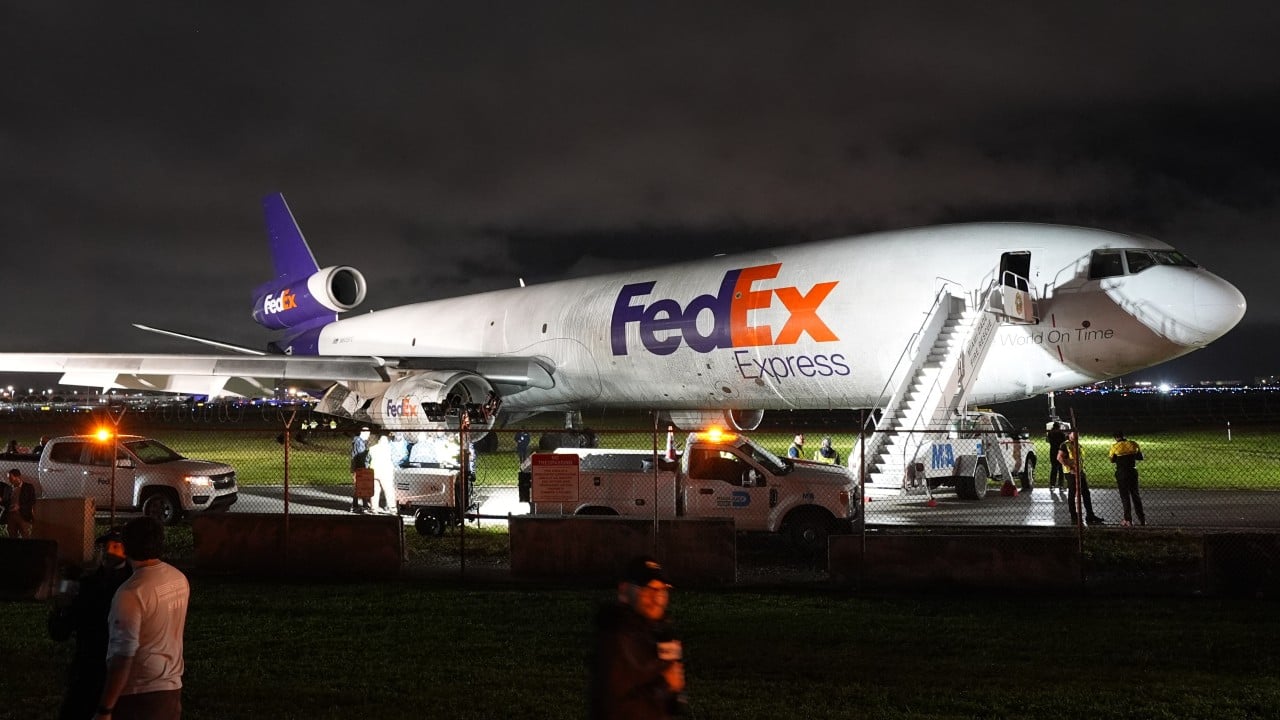
A FedEx cargo plane overshoot at Miami airport on Wednesday night, November 25, 2026, stopped just short of a perimeter fence near Northwest 67th Avenue, leaving the crew uninjured while triggering a ground stop during one of the busiest Thanksgiving travel rushes in years.
Honestly, nobody in aviation wants another scare at Miami International Airport right now. Less than three months earlier, on September 6, 2026, an Amazon Air Boeing 767 freighter overran a runway at the same field, crossed a road, and struck vehicles, killing five people on the ground. Add in a taxiway bump between a Copa flight and a UPS jet less than two weeks ago, and nerves at South Florida's busiest hub are understandably frayed.
In this case, FedEx Flight 910—a McDonnell Douglas MD-11 freighter (tail number N605FE, built in 1992) arriving from Memphis—ran off Runway 26R after landing in rainy, windy weather. The Federal Aviation Administration issued a ground stop around 8:16 p.m. EST across eight air route traffic control centers, holding Miami-bound departures from regions stretching across the South, Midwest, and East Coast as officials closed runways—leaving Runway 9R open—and checked the field.
Why a Runway Overshoot Happens Even When Nobody Gets Hurt
From the outside, an excursion where the nose doesn't hit a wall looks almost routine. Pilots walk away, cargo stays intact, and travelers mostly groan about delayed connections.
In reality, a runway overshoot is a warning shot. Investigators with the FAA and the National Transportation Safety Board don't look at runway length in isolation. They look at a chain of variables: touchdown point, approach speed, tailwinds or crosswinds, braking action, and how standing water affects friction on the pavement.
Water is brutal on stopping distance. When rain coats grooved asphalt, aircraft tires can lose traction fast, turning a normal rollout into a long slide toward the grass at the end of the pavement. Even a few hundred feet of extra speed or a slightly long touchdown changes the math in a hurry.
A "no injuries" outcome means the safety margins held this time, not that the underlying risk went away.
The MD-11 Question Nobody Can Ignore
Flying an aging trijet freighter in 2026 carries baggage that a modern twin-engine jet doesn't. FedEx had only returned MD-11s to service in May 2026 following the fatal November 2025 UPS MD-11 crash in Kentucky—where a left engine detached during takeoff and killed three pilots and twelve people on the ground—after the FAA approved a Boeing-proposed fix following extensive review.
That history makes any incident involving an MD-11 draw extra scrutiny. Aviation analysts and safety watchers point out that a 1992 airframe is over three decades old, and older heavy freighters demand meticulous maintenance and conservative operational discipline, especially when weather turns sour. At the same time, blaming the aircraft type before investigators examine flight data would be premature. Weather, surface conditions, or pilot technique during rollout could easily be the main culprits.
Converging Runways and Shared Bottlenecks
One detail that trips up casual observers is airport geometry. Reports note that the FedEx jet landed on Runway 26R—different from the runway tied to the September Amazon freighter crash—yet several runways at Miami International converge near the west end of the airfield. That layout puts the perimeter near busy local streets and leaves very little room for error when a heavy jet travels past the end of the slab.
When a widebody freighter goes off the pavement, the ripple effect hits everyone. Cargo operators and passenger airlines share runways, slots, and emergency response resources. Closing runways during peak holiday traffic means passenger flights get held on the ground or delayed in transit while crews inspect the pavement and safety areas.
What Travelers and Logistics Teams Should Do Next
If you're flying through Miami or moving freight through South Florida during holiday peaks, don't assume a quick ground-stop lift means normal schedules right away.
- Check flight status directly with your airline before leaving for the airport. Runway inspections and backlog recovery often stretch delays past the window announced on initial advisories.
- Pad connection times through major cargo-heavy hubs. Airports that handle dense freighter waves alongside holiday passenger peaks take longer to clear congestion after weather or ground holds.
- Watch official FAA and NTSB updates rather than early social clips. Initial videos can make a stop look dramatic or calm, while official findings take time to verify exact runway positions and causes.
- Build buffer days into time-sensitive shipments. Rainy seasonal weather and high volume can turn minor airspace restrictions into overnight rollovers for freight.
Wednesday night's FedEx cargo plane overshoot at Miami airport didn't turn into a tragedy, and that relief is real. Still, with two high-profile cargo runway excursions in less than three months at the same airport, tighter scrutiny on wet-runway operations and airfield margins is the least anyone should expect.