You thought world football could not get any more commercialized? Think again.
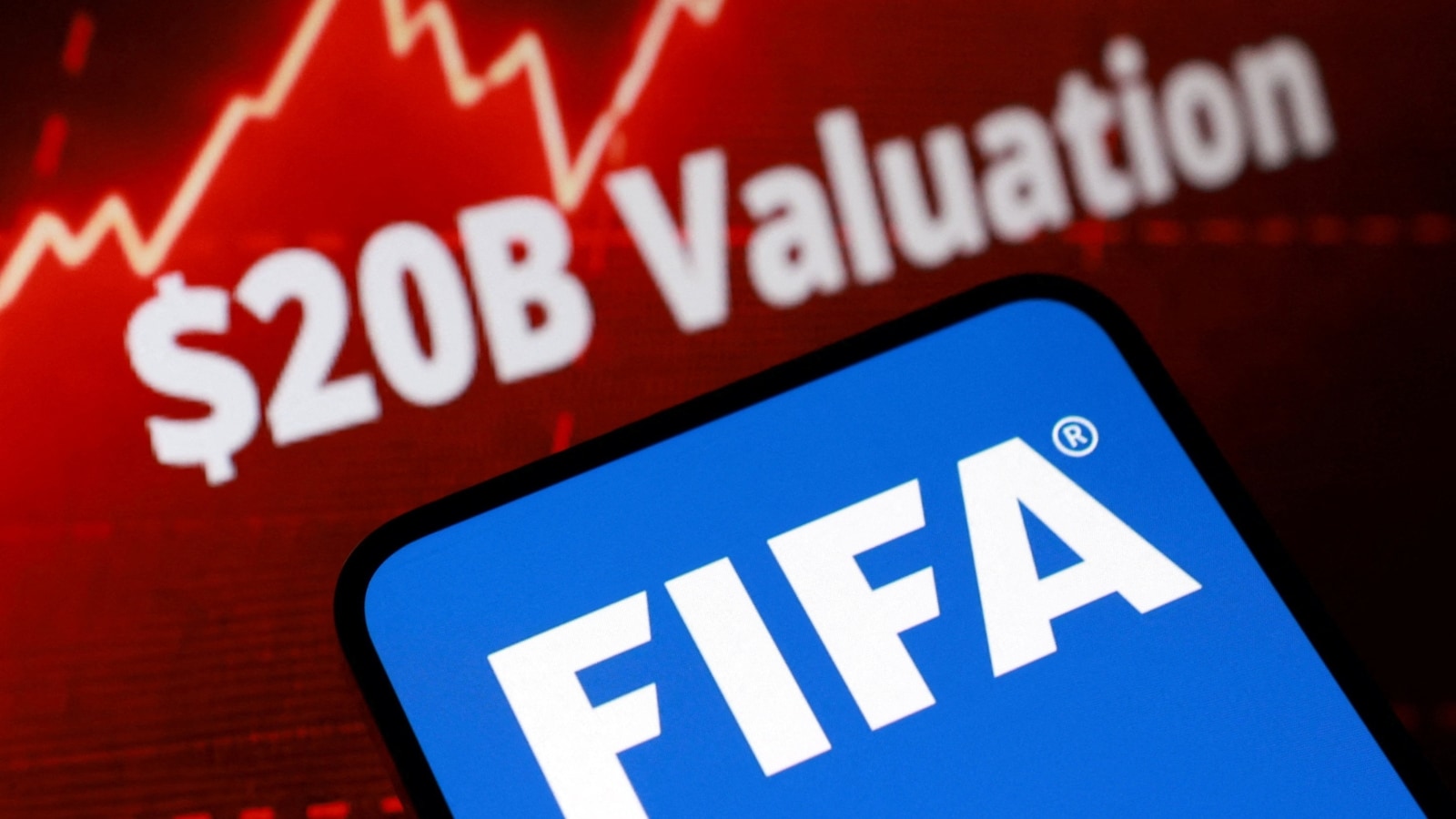
FIFA just announced a massive plan to carve out its commercial operations, including the jewel in its crown, into a separate $20 billion corporate entity. It wants to sell up to a 20 percent stake to private equity and external investors.
European soccer's governing body, UEFA, lost its mind over the news. It accused FIFA of putting the soul of football up for sale.
If you are trying to understand why this corporate maneuver matters, you need to look past the PR statements. The battle lines are drawn between Zurich and Nyon. Millions of dollars, private equity titans, and the future governance of the sport hang in the balance.
The Mechanics of FIFA Forward Enterprise
Let us look at the actual numbers. FIFA wants to create a subsidiary called FIFA Forward Enterprise, known as FFE. This new corporate vehicle would house all commercial and event operations. We are talking about broadcast rights, sponsorships, ticketing, and licensing for flagship events like the men's World Cup.
To get the venture moving, FIFA is working with bankers at JPMorgan. The goal is to raise up to $4.2 billion by selling minority, non-controlling equity stakes to outside investors. A vehicle connected to Joshua Kushner's Thrive Capital is expected to lead the investor pack.
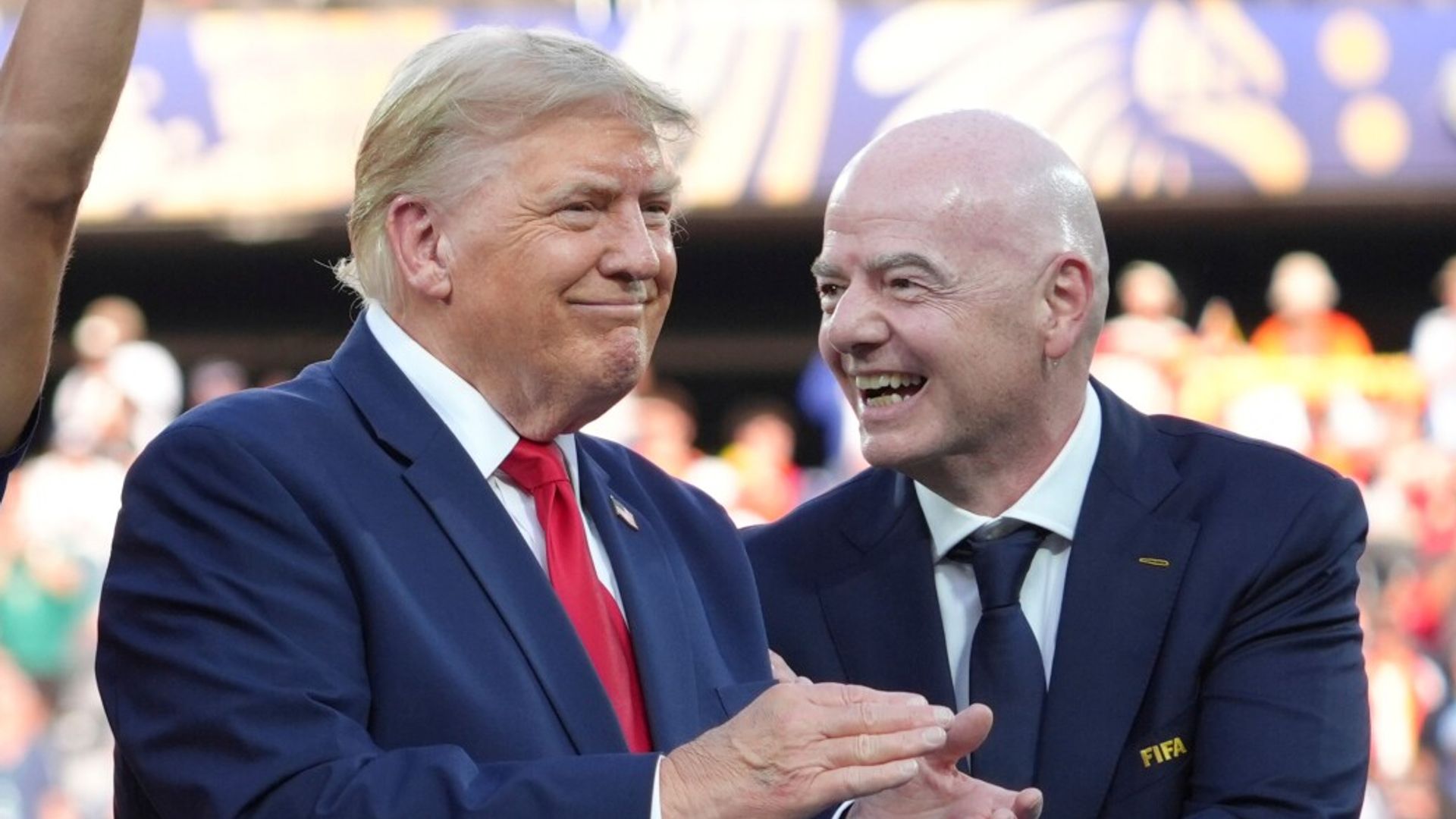
FIFA President Gianni Infantino insists that the governing body will retain sole control. He claims outside backers will have zero say over rule changes, match calendars, or sporting regulations.
So, why do it? FIFA wants to juice its revenue even further. Following a massive 48-tournament cycle across the United States, Canada, and Mexico that generated roughly $12 billion, Infantino wants to lock in predictable cash flows.
The Bribe or the Bonus?
FIFA is dangling a massive carrot in front of its 211 member associations to get this deal approved.
If member nations back the project, they stand to benefit from a new financial scheme. Instead of standard development payouts, each association could access up to $20 million in one-off capital. Furthermore, baseline funding would jump from $8 million to $20 million for the 2027 to 2030 cycle, scaling up to $24 million by the mid-2030s.
For smaller football federations in Africa, Asia, and Oceania, this is hard to turn down. Many of these associations survive on modest budgets. A sudden multi-million dollar cash injection changes everything for local infrastructure.
Critics call it a calculated move to buy votes ahead of Infantino's upcoming re-election. Supporters call it the democratization of global football wealth. Both things can be true at the same time.
Why UEFA Is Screaming Bloody Murder
UEFA did not hold back. In an explosive statement, European soccer leadership declared that football's soul is not an asset to trade.
UEFA's core argument is simple: FIFA is a non-profit association meant to govern a global sport, not a publicly traded corporation maximizing shareholder returns. Opening the door to private equity means outside investors will eventually demand a return on investment. That pressure will land on the pitch.
Think about what private investors want. They want growth, predictable revenues, and high margins. How do you get higher margins in football?
You expand tournaments. You add more games. You push players to physical exhaustion.
We are already seeing the cracks. The men's World Cup went to 48 teams. The Club World Cup got a heavy revamp and expansion. European leagues and player unions are already fighting legal battles over an overcrowded match calendar. Allowing Wall Street or venture capital firms into the commercial engine room guarantees that expansion will accelerate.
The Political Backlash
The controversy goes far beyond sports administrators. Political figures are weighing in. Lawmakers and public officials are voicing serious concerns over transparency and the identity of the incoming investors.
When private equity firms pour billions into a public sporting asset, questions of accountability follow. Who actually benefits from the profits generated by the world's most watched tournament? If private investors hold a stake in FFE, a slice of future World Cup revenues leaves the sport entirely and flows into private bank accounts.
For fans who already endured skyrocketing ticket prices during the North American World Cup, this feels like another step away from the people's game.
What Happens Next
The proposal is not a done deal yet. It requires approval from a majority of FIFA's 211 member associations and the FIFA Council.
If the smaller federations vote yes for the cash, the deal moves forward. If European opposition builds a strong enough coalition to block it, Infantino faces his first major roadblock of this magnitude since taking charge.
Keep an eye on the upcoming votes. The commercial future of soccer is shifting right now.