You move halfway across the world for a stable job, pay your taxes for decades, and watch a digital arcade game on a government website make a punchline out of deporting people who look like you. That is the bizarre reality hitting Filipino-American communities right now.
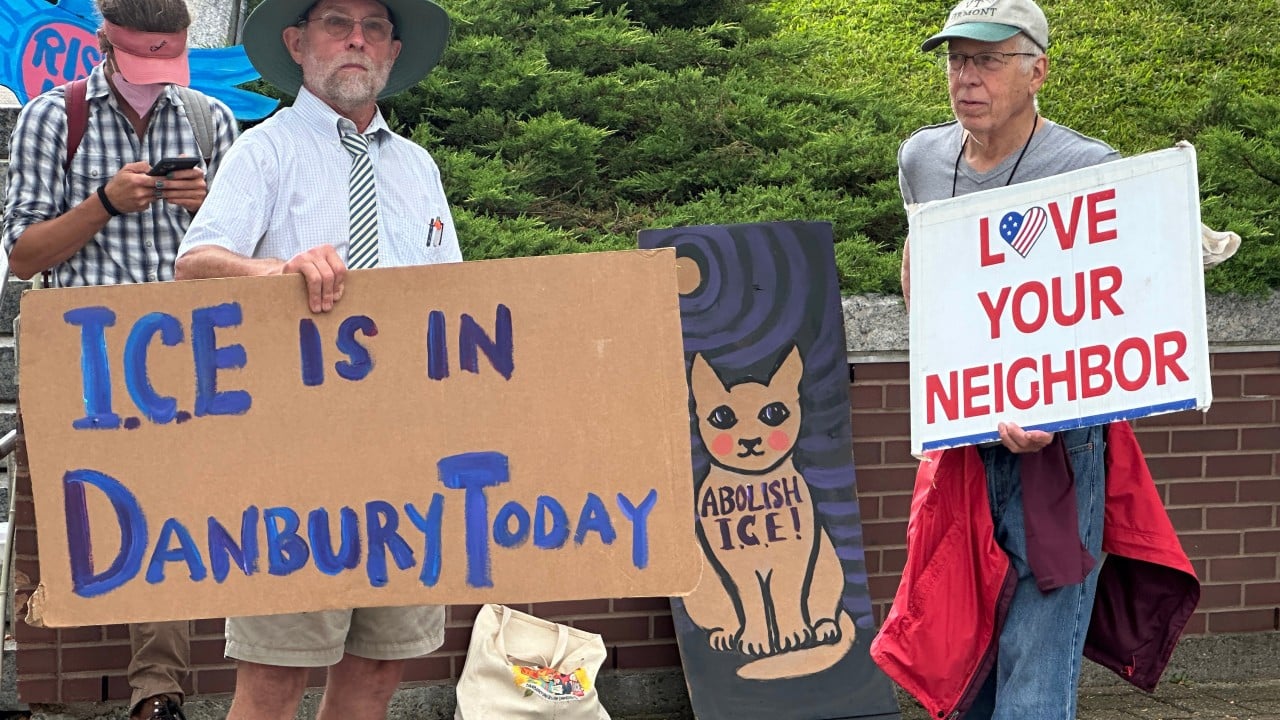
Donald Trump’s administration has taken its aggressive immigration crackdown to strange, theatrical new lows. From white-house-hosted online games designed to let users play border wall architect and migrant hunter, to massive sweeps executed by ICE, the political theater has gone too far. For a community that historically leans toward conservative fiscal policies or tries to stay quietly under the radar, these anti-migrant campaigns feel terrifyingly personal.
Let's look past the political noise. Why are Filipino Americans so rattled by these latest moves?
The Illusion of Being the "Good Immigrant"
For years, a segment of the Filipino-American diaspora operated under a dangerous illusion. Many thought that if you worked hard in healthcare, engineering, or service industries, followed every obscure rule, and stayed out of trouble, you would be granted permanent safety.
Trump's widened immigration policies shattered that shield.
Data shows that Asian immigrants arrested by federal agencies have surged significantly since Trump took office. Visa revocations are pacing toward historical records. When the White House rolls out aggressive rhetoric labeling non-white immigrants as a threat to national culture, it doesn’t filter for legal status or citizenship papers on the street. Profiling doesn't check green cards before it asks questions.
When politicians talk about "poisoning the blood" of the country or lean into nativist tropes reminiscent of the 1920s, they cast a wide net. Naturalized citizens and second-generation kids born in the US quickly realize they are viewed through the exact same suspicious lens.
The Backlash Inside Family Group Chats
This political climate is tearing apart family group chats across California, New Jersey, and Nevada. Generational divides inside Filipino households have turned sharp and hostile.
Older family members who immigrated decades ago often bought into the hardline anti-immigrant rhetoric, believing it only applied to lawbreakers or arrivals at the southern border. Younger, college-educated Filipino Americans are pushing back hard. They see the writing on the wall.
It is no longer theoretical when community leaders report rising hostility, whispers of bias in workplaces, and community members afraid to report crimes because they fear interacting with federal authorities. The constant drumbeat of xenophobic games and media stunts normalizes casual racism. It gives bigots permission to act out in public spaces.
Shifting Voter Realities
For years, political strategists assumed Asian American and Pacific Islander (AAPI) voters were a predictable demographic. That's changing fast.
Polling from sources like AAPI Data and AP-NORC shows that disapproval of Trump's immigration policies among AAPI adults has spiked dramatically. Independent and moderate Republican voters within the diaspora are souring on the constant culture wars. Recent gubernatorial and local elections in states with heavy immigrant populations show a clear pattern. Asian voters are turning out in droves to reject candidates who campaign on exclusion and fear.
You cannot alienate a diaspora for long and expect them to keep voting for your platform. When policy morphs into playground games mocking human displacement, the facade cracks for good.
If you are navigating these turbulent waters as an immigrant or a child of immigrants, complacency is no longer an option. Protect your documents, know your local legal resources, and hold the politicians accountable at the ballot box before the next round of political theater becomes your reality.


