Most people walk into a charity shop expecting faded sweaters, chipped ceramics, and paperbacks missing their final chapters. They certainly don't expect to stumble across a five-figure luxury collector's item sitting quietly on a hanger.
That script got thrown out the window in the Cotswolds, where an unsuspecting shopper handed over roughly £80 for a designer handbag simply because she liked the look of it. She had zero clue whether it was genuine. She just bought a bag that caught her eye.
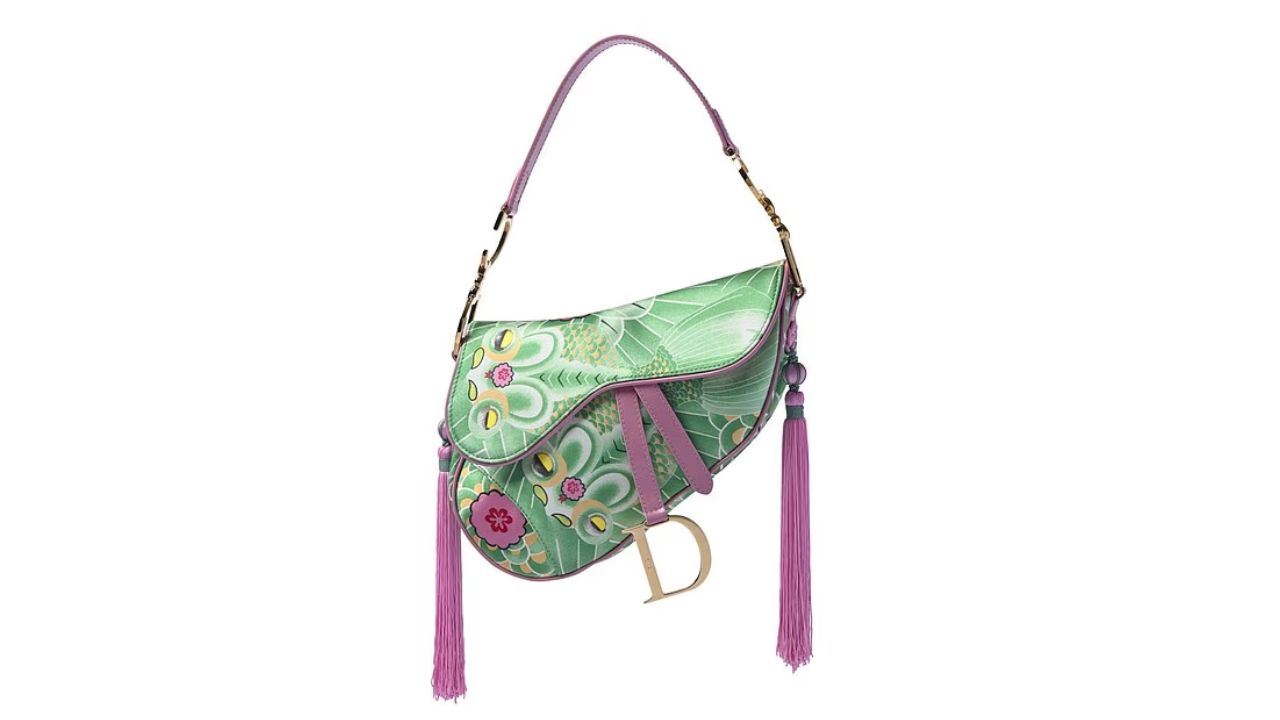
Turns out, that impulse buy was a Christian Dior Koi Saddle Bag from the autumn/winter 2003 runway collection. When specialists at Kinghams Auctioneers in Moreton-in-Marsh got their hands on it, they didn't just authenticate it. They realized they were looking at one of the rarest pieces from John Galliano's iconic tenure at the fashion house.
Initial estimates put the piece between £800 and £1,200. When the hammer finally dropped, the bag fetched an astonishing £7,870.
Stories like this circulate online with the frequency of urban legends, making everyone believe they're one thrift store visit away from financial freedom. But let's look past the viral headline. How do rare archival pieces actually end up in discount stores, and what does this specific sale reveal about the shifting secondary luxury market?
The John Galliano Factor and Why Collectors Care
You can't talk about vintage Christian Dior without talking about John Galliano. His wild, theatrical run as creative director from 1996 to 2011 completely redefined what luxury accessories could look like. He didn't just make handbags; he created wearable art that defined an era of pop culture.
The Saddle Bag shape itself became a ubiquitous symbol of early 2000s style. But standard canvas or leather versions pop up on resale platforms all the time. The Koi Saddle Bag is an entirely different beast. Produced in extremely limited numbers, it features intricate detailing and runway-only design elements that regular shoppers rarely encounter in the wild.
Sophie Osborne, the designer goods specialist at Kinghams who handled the piece, called it the auction of the year. When items are made in tiny quantities and backed by a legendary designer's heritage, they transition from fashion accessories to museum-grade collectibles. Serious collectors view pieces like this as holy grails. They are willing to pay thousands over estimates simply because the item is nearly impossible to source anywhere else.
Why High-End Goods End Up in Charity Shops
It sounds completely absurd that someone would donate a multi-thousand-pound designer bag to a local charity shop without checking its value. Yet, it happens more often than you'd think.
Generational wealth transfers, estate clearances, and simple ignorance drive most of these finds. Older generations or families cleaning out the homes of deceased relatives often look at a closet full of old clothes and accessories with zero context. If an aunt bought a unique Dior bag in 2003, wore it twice, and stuck it in the back of a wardrobe, her descendants twenty years later might view it as just another old purse taking up space.
Charity shop volunteers are fantastic, but they aren't forensic authenticators or luxury archivists. Their job is to price items quickly, keep the floor moving, and raise money for a good cause. A £80 price tag on a designer piece isn't a malicious mistake; it's a byproduct of a volunteer system that relies on speed rather than high-fashion valuation.
Spotting Value in Unlikely Places
If you want to try your luck at thrift stores or car boot sales, hoping to duplicate this Cotswolds miracle, you need to understand what separates a cheap knockoff from a hidden investment piece. Most designer bags sitting in charity shops are terrible fakes. Counterfeiters have flooded the market for decades with poorly stitched replicas that fall apart in months.
Genuine luxury archival pieces share distinct traits that give them away, even if the price tag says £80.
Look closely at the hardware. High-end designers use solid, heavy metals that don't chip or reveal cheap brass underneath. Check the stitching. It should be microscopic, uniform, and completely straight, never wavy or sloppy. Examine the materials used. If it feels like cheap plastic or faux leather masquerading as something expensive, trust your instincts.
Provenance and era matter immensely. Items tied to specific runway years, particularly from iconic design periods like Galliano's Dior or early-2000s Gucci and Fendi, hold massive weight with modern collectors who grew up scrolling through vintage archives on social media.
The Reality of Reselling Luxury Finds
Finding the item is only half the battle. If you stumble upon a high-value piece, turning it into cash requires patience and professional guidance.
Walking into a local charity shop purchase with an £8,000 expectation can lead to massive disappointment if you don't use established auction houses. Online marketplaces are fraught with scam buyers, chargeback risks, and platform fees that eat into profits. Going through a recognized specialist auction house provides proper authentication, attracts serious high-net-worth bidders, and ensures the transaction is legally secure.
The owner in the Cotswolds didn't just get lucky at the register. She took the smart step of bringing the item directly to specialists who could verify its history, establish its runway pedigree, and place it in front of collectors who actually understood its worth.
Keep your eyes open the next time you browse a local shop. Just don't quit your day job expecting a £7,000 payday behind every rack of donated coats.