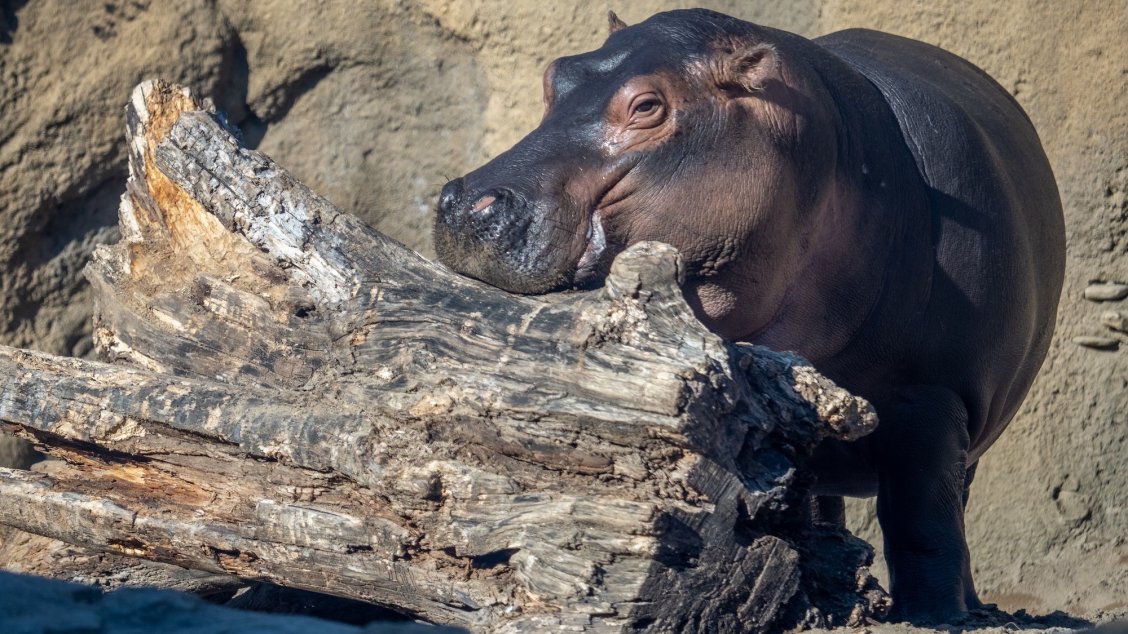
A knitted hat bounced off a ceiling fan, slipped through a narrow gap above a viewing window, and ended the life of a nine-year-old hippo that millions of people watched grow up.
Fiona died on Thursday, November 19, 2026, roughly eleven days after swallowing the visitor's hat at the Cincinnati Zoo & Botanical Garden. For anyone who followed her story since January 2017, the shock hits hard. Back then, she arrived six weeks premature at just 29 pounds, lighter than the lowest recorded birth weight for her species at the time, struggling to stand or nurse while keepers hand-milked her mother and documented every small victory. She beat the odds as a fragile newborn. She could not beat a piece of knitwear inside her digestive tract as a full-grown adult.
When people hear about an animal dying after eating a hat, the first instinct is to wonder why veterinarians didn't just cut it out. Honestly, that question misses everything about how hippo anatomy actually works.
Why Surgery Fails Full-Grown Hippos
Surgery sounds like the obvious fallback in human medicine or even with smaller pets. With an adult Nile hippopotamus, it turns into an extreme medical gamble with terrible odds.
As Dr. Jack Kottwitz, an assistant professor at Michigan State University's College of Veterinary Medicine, explained to the Associated Press, adult hippos have multichambered stomachs built to break down plant matter, similar to cows, yet they do not regurgitate and chew cud the way cattle do. Those multiple chambers, deep tissue folds, fluid, and digesting food easily hide an object like a hat. Worse still, there is no reliable way to pinpoint whether an item sits in the stomach, small intestine, or colon ahead of time. A surgical team could face a marathon operation exploring multiple sections of the digestive tract just to locate a single piece of fabric.
Dr. Jan Hawkins, a doctor of veterinary medicine at North Carolina State University, pointed out that standard imaging tools used in smaller animals or horses simply cannot give vets the same clear picture in a massive hippo. Meanwhile, anesthesia on a full-grown hippo carries serious risks, and their skin reaches more than two inches (about five centimeters) thick in places. Even if surgeons got in and out, post-op recovery creates another trap: hippos rely on water, yet keeping an animal out of water for days so incisions can heal runs straight against their biology.
That's why the Cincinnati Zoo's animal health team, led by Director of Animal Health Mike Wenninger, tried supportive care first instead of rushing to an operating table. Staff monitored her hydration, adjusted her diet as her appetite dropped, sedated her twice for evaluation, performed an ultrasound that showed intestinal bunching, ran a colonoscopy with a nine-foot scope without finding the hat, and even borrowed a horse-farm vibration plate to encourage her to stand on it multiple times a day in hopes movement would help clear her system. Caregivers even offered a sniff of coffee, a scent she liked, and saw her respond. Still, none of it could clear what was inside.
How a Freak Accident Turns Deadly Inside a Hippo
At first, Fiona seemed fine after swallowing the hat. Animals that ingest foreign objects often look normal right away, which lulls visitors into thinking no harm was done.
Days later, her appetite started to slip. Once non-digestible fabric lingers or creates a blockage or bunching in the gastrointestinal tract, the clock changes fast. Unlike fibrous plants, knitted yarn doesn't break down naturally, and when intestinal tissue bunches or obstructs, blood flow, tissue health, and overall stability can deteriorate even with round-the-clock care.
What makes this case so frustrating is how ordinary the setup looked. According to zoo spokesperson Michelle Curley and AP reporting, a visitor tossed a knit cap into the air, a ceiling fan caught it and sent it flying sideways, and it passed through a one-foot opening above twelve-foot-high viewing windows into Fiona's habitat. Nobody meant harm. Nobody planned a tragedy. Yet a split-second toss inside an active viewing space turned a knit hat into a lethal hazard.
Foreign Objects in Zoos Happen More Often Than Visitors Realize
Visitors tend to treat zoo barriers like movie screens. They wave things around, toss items for fun, hold kids up near ledges, or drop loose gear without thinking about airflow, bounce angles, or curious mouths.
Across the zoo world, foreign object ingestion is a recurring, preventable nightmare. Reporting around Fiona's death noted other heartbreaking examples, including a polar bear at a German zoo that died in 2014 after swallowing a visitor's dropped jacket, and a rare antelope at a Tennessee zoo that choked to death on a plastic cap from a squeezable snack pouch two years ago. Even at home, veterinarians see emergency cases constantly from dogs swallowing balls, toys, and string.
The difference at a zoo is scale and exposure. When hundreds or thousands of people pass an exhibit every day, tiny probabilities add up. One tossed hat, one fan blade, one narrow gap, and an animal pays the price.
Fiona's Legacy Beyond Viral Fame
It's easy to reduce Fiona to internet fame, books, merchandise, beer collaborations, or even a younger brother named Fritz born in August 2022 who inspired his own ice cream flavor. For Cincinnati, though, her survival in 2017 arrived during a heavy period after the 2016 shooting of gorilla Harambe left the zoo facing intense scrutiny and public grief.
Fiona gave people a reason to root for life again. Within an hour of the announcement of her death, visitors began leaving flowers and cards beside a hippo statue outside the zoo, writing notes like "Forever our Fiona." Ohio Governor Mike DeWine called her a true icon, Cincinnati Mayor Aftab Pureval called her a symbol of perseverance and joy, and local teams like the Bengals and Reds shared tributes alongside public figures like Chelsea Clinton.
All of that affection makes the ending sting even more. A hippo that survived extreme prematurity was lost to something a visitor had on their head.
What Every Zoo Visitor Should Do Next Time
Sympathy doesn't bring Fiona back, and blaming one careless moment won't stop the next accident on its own. Real change starts with how we behave the moment we step past the ticket gate.
- Keep loose items secured near habitats. Hold onto hats, sunglasses, phones, toys, and snack lids—especially on windy days, near open gaps, or around fans and water features.
- Never toss objects in the air near animal areas. A playful toss can catch a breeze or a fan and land somewhere no one expected.
- Watch kids closely around ledges and viewing gaps. Young children move fast and throw things reflexively; keep them at a safe distance and out of reach of open slots.
- Report dropped items to staff immediately. If a hat, toy, or wrapper falls into or near an enclosure, tell a keeper or zoo employee right away rather than walking off or trying to fish it out yourself.
The next time you stand in front of an exhibit, remember how thin the margin is between a harmless afternoon out and an irreversible loss. Keep your gear close, keep your hands and items to yourself, and treat every enclosure boundary like it matters—because for the animals on the other side, it really does.