The heating goes on, the heavy coats come out of storage, and suddenly everyone remembers what an English winter actually feels like. The UK Health Security Agency (UKHSA) and the Met Office just dropped the official season-opening cold-health alert, warning that freezing conditions are about to grip parts of the country.
If you assume a yellow alert is just standard winter noise, you are missing the point. These early-season drops always catch health and social care services off guard because people haven't adjusted yet.
What the First Cold Alert Actually Means for Your Area
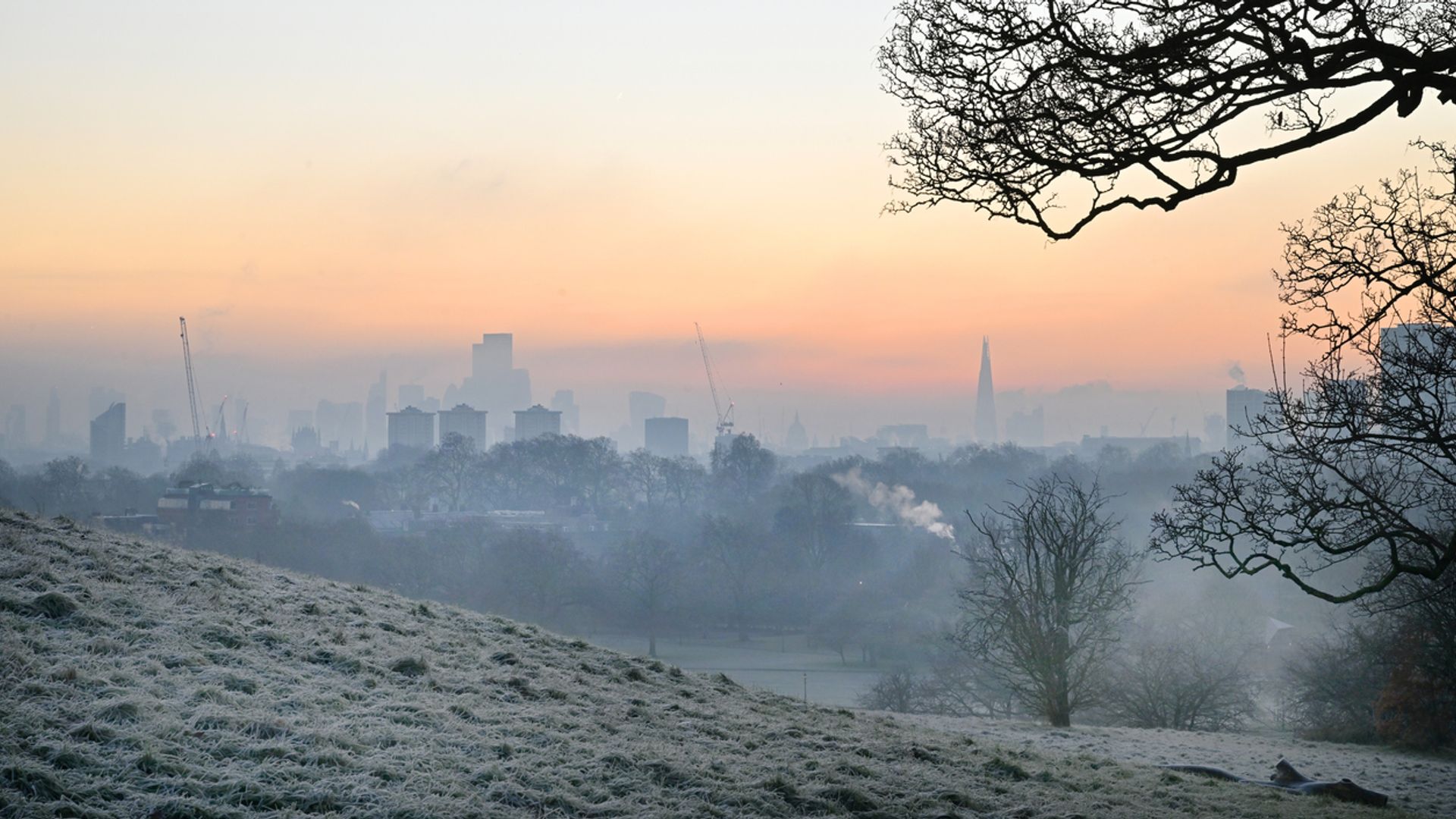
The yellow warning covers specific regions, specifically targeting the North West and West Midlands. It runs from Thursday morning through Saturday afternoon. While daytime temperatures might hover at a biting 3C to 4C in some spots, overnight lows are plunging below freezing, with northern parts of Scotland looking at potential snow showers and rural pockets dropping even further.
Dr Anya Gopfert, a consultant in public health at the UKHSA, pointed out that while this is the initial alert of the season [cite: it's definitely not going to be the last as winter digs in.
The mechanics behind these alerts aren't random. They are triggered when forecasts show conditions that threaten vulnerable populations—primarily adults aged 65 and over, individuals with pre-existing cardiovascular or respiratory problems, and rough sleepers.
Why Early Cold Snaps Are More Dangerous Than Deep January Freezes
Human biology is stubborn. When a hard freeze hits in January, bodies have usually acclimated to weeks of low temperatures. But an abrupt drop in November hits differently. Blood vessels constrict to conserve core heat, which raises blood pressure and places extra strain on the heart.
Cold air also irritates the airways, instantly triggering flare-ups for anyone managing asthma or chronic obstructive pulmonary disease (COPD). When you combine lower indoor temperatures with seasonal viruses circulating through offices and schools, emergency departments see a sharp spike in admissions.
Most people think hypothermia is the primary threat, but the real damage comes from strokes, heart attacks, and worsening respiratory infections triggered days after the temperature drops.
Practical Steps to Protect Yourself and Your Neighbors
You don't need a degree in public health to handle a cold snap, but you do need to stop winging it.
- Keep your main living space properly heated. Aim to keep your primary rooms at a minimum of 18C if possible, and close bedroom windows at night.
- Check on the vulnerable. If you have elderly neighbors or family members living alone, drop by or pick up the phone. A quick conversation can ensure they have enough fuel, food, and medication.
- Layer properly outdoors. Thin thermal layers trap body heat far better than one bulky sweater. Cover your mouth and nose if you are heading out into biting winds to protect your lungs.
- Stay up to date on immunizations. Getting your winter flu and respiratory vaccines remains one of the strongest shields against secondary infections that thrive in cold weather.
Winter weather is entirely predictable in its arrival, yet somehow optional in our preparation. Take the warning seriously, check your heating controls today, and look out for anyone who might struggle with the sudden shift.