Five Metropolitan Police officers ended up in hospital after their high-speed patrol vessel smashed into Westminster Bridge on the River Thames. The impact threw multiple armed officers straight into the water, triggering a massive multi-agency rescue right beneath Big Ben.
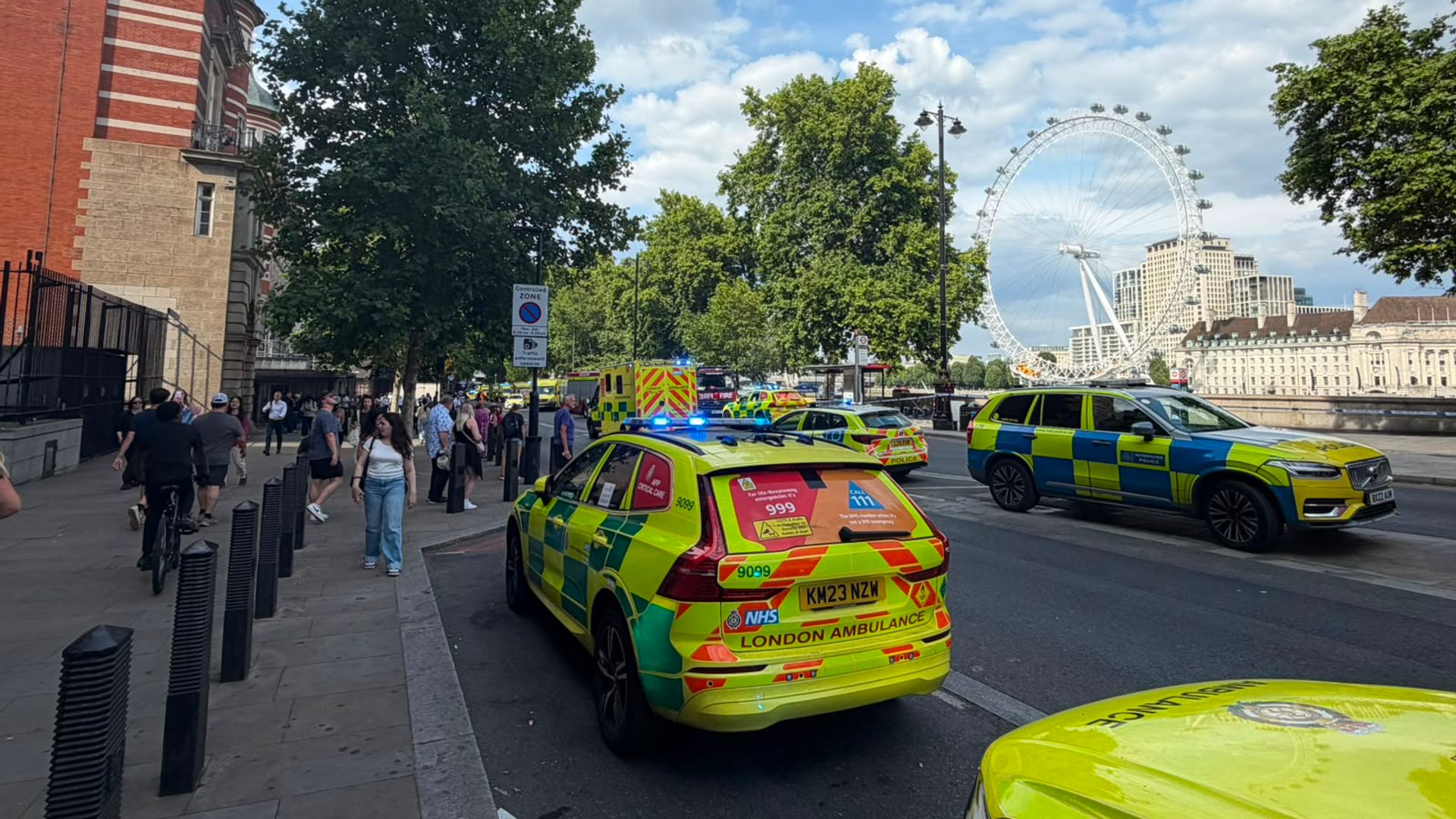
If you were anywhere near Parliament Square on Friday afternoon, July 24, 2026, you couldn't miss the chaos. Sirens echoed across the West End, air ambulances circled overhead, and police taped off Westminster Bridge, bringing central London traffic to a complete standstill.
Here is what actually happened on the water, what witnesses saw, and why high-speed maneuvers on the Thames carry risks that most onlookers never consider.
High Speed and a Loud Boom on the Thames
Around 3:40 PM on Friday afternoon, two Metropolitan Police Marine Policing Unit boats were moving fast along the central section of the Thames. Witnesses on nearby sightseeing craft reported seeing the rigid inflatable boats cutting through the chop at high speed.
Seconds later, a heavy impact rang out across the water.
One of the black police inflatable vessels collided directly with the stone arch structure of Westminster Bridge. The force of the strike knocked officers out of their seats. Several went airborne, splashing into the murky Thames currents.
Mateo Bilis-Lusevic, a 12-year-old visitor from Chile who was riding a tour boat on the north side of the bridge with his mother, described the sudden impact. He noticed two boats moving extremely fast before hearing a loud boom. He saw three people fly into the water, with one officer visibly severely hurt.
Eyewitness estimates suggest the officers spent around ten minutes in the water before being pulled out by colleagues and emergency crews.
Massive Emergency Response Locks Down Central London
When a police vessel goes down in the middle of London with armed personnel aboard, the response is immediate and heavy.
Within minutes, the London Ambulance Service, London Fire Brigade, Royal National Lifeboat Institution (RNLI), and Port of London Authority rushed to the scene. A police helicopter and an air ambulance hovered directly above Parliament, searching the water for anyone swept downstream.
Paramedics gathered at Westminster Pier, treating injured personnel directly on the deck of a black rigid inflatable boat moored alongside the embankment. Five officers received emergency medical care on scene before transport to local hospitals.
The Metropolitan Police confirmed that all five injured individuals were force personnel. No members of the public on tourist craft or on the bridge were hit or injured.
On land, the situation quickly tied up the heart of the city:
- Metropolitan Police taped off both ends of Westminster Bridge overlooking the Houses of Parliament, shutting down vehicle and pedestrian crossings.
- Transport for London shut down entrances three and four at Westminster Underground Station to control crowd flow.
- Emergency response vehicles lined Victoria Embankment, turning the surrounding street network into a solid gridlock.
- River traffic around the Westminster reach was held while Port of London Authority vessels managed safety zones.
Why Navigating Westminster Bridge at Speed Is Dangerous
To understand how a trained police crew hits a major bridge in broad daylight, you have to look at the unique geometry and hydrology of the River Thames through central London.
Westminster Bridge, built in 1862, features seven elliptical cast-iron arches resting on massive stone piers. While it looks wide and open from a tourist deck, navigating a boat under those arches at speed presents serious physical challenges.
Tidal Currents and Hydraulic Swell
The Thames in central London is tidal, with water levels changing dramatically twice a day. Rising and falling tides create powerful undercurrents around the bridge piers. When a fast-moving boat enters an archway, displaced water bounces off the masonry walls, creating tight, unpredictable standing waves known as hydraulic swell. A sudden lift from a wave can alter a hull's trajectory in a split second.
Restricted Overhead Clearance
Depending on the tide, overhead clearance under Westminster Bridge's side arches drops significantly. A vessel traveling at 25 or 30 knots must align perfectly with the center of the arch. A minor steering input or a sudden surge from a passing wake can force the craft toward the concrete abutments.
Blind Angles and River Traffic
The stretch between Lambeth Bridge and Westminster Bridge is one of the busiest water corridors in the UK. Tour boats, commuter clippers, tugs, and police craft constantly share narrow lanes. Avoiding a slower civilian vessel sometimes forces emergency drivers to take tight lines around bridge piers.
The Role of the Met's Marine Policing Unit
The Metropolitan Police Marine Policing Unit isn't a rookie squad. It's the oldest river police force in the world, tracing its roots back to 1798 when the Marine Police Force was formed to curb theft along the Thames docks.
Today, the unit patrols 47 miles of the Thames, from Dartford down to Hampton Court. They operate high-speed rigid inflatable boats (RIBs) and specialized tactical craft designed for fast interception, search and rescue, counter-terrorism duties, and VIP protection around Parliament.
Tactical RIBs used by the unit are built for speed and stability, featuring deep-V hulls and twin high-horsepower outboard engines. They carry tactical gear and armed officers trained to respond to threats along the river.
Because these craft operate at high speeds in tight waterways, the physical risk to crew members is real. A sudden stop or collision on a boat without seatbelts throws occupants forward or overboard instantly. That explains why officers ended up in the water immediately after the bow struck the bridge masonry.
Official Statements and Investigation Next Steps
The Metropolitan Police released an official statement confirming the incident shortly after emergency services stabilized the scene.
A Met spokesperson stated that around 3:40 PM, a Marine Policing Unit boat struck Westminster Bridge, causing officers to enter the water. The statement confirmed five officers suffered injuries and received medical treatment. The force emphasized that reviewing the exact circumstances of the collision is a priority, alongside supporting the injured personnel.
The Port of London Authority, which oversees navigation and safety across the tidal Thames, confirmed its involvement in the response. Their team worked with HM Coastguard and police to secure the crash zone and inspect the bridge for structural damage.
Investigators will look into several key factors over the coming weeks:
- Vessel Telemetry and GPS Logs: Modern police RIBs carry tracking systems that log speed, engine performance, heading, and acceleration data.
- Onboard Communications: Radio transcripts will show whether the boat was responding to an urgent emergency call or conducting a routine high-speed exercise.
- Mechanical Integrity: Engineers will check steering linkages, throttle controls, and engine mounts to rule out mechanical failure prior to impact.
- Environmental Conditions: Tidal height, current velocity, wind speed, and water surface conditions at 3:40 PM will be mapped against the boat's path.
What Londoners and Visitors Should Know Right Now
If you're planning to travel around central London or take a river tour near Westminster, keep these practical points in mind:
- Bridge Access: Check Transport for London traffic updates before heading toward Westminster Bridge or Parliament Square, as cordon clearance and vehicle traffic recovery take hours after major emergency responses.
- Tube Services: Westminster Underground station entrances may experience temporary congestion or controlled access while surface traffic clears.
- River Tours: Thames river boat operators may adjust schedules or alter routes through the Westminster reach while investigators complete marine surveys.
Events like this highlight the demanding nature of waterborne policing right in the heart of London. Driving a high-powered patrol craft under historic stone bridges leaves zero margin for error, and when something goes wrong, the physical impact is immediate and dramatic. Stay tuned to official Met Police updates for health status reports on the injured officers.