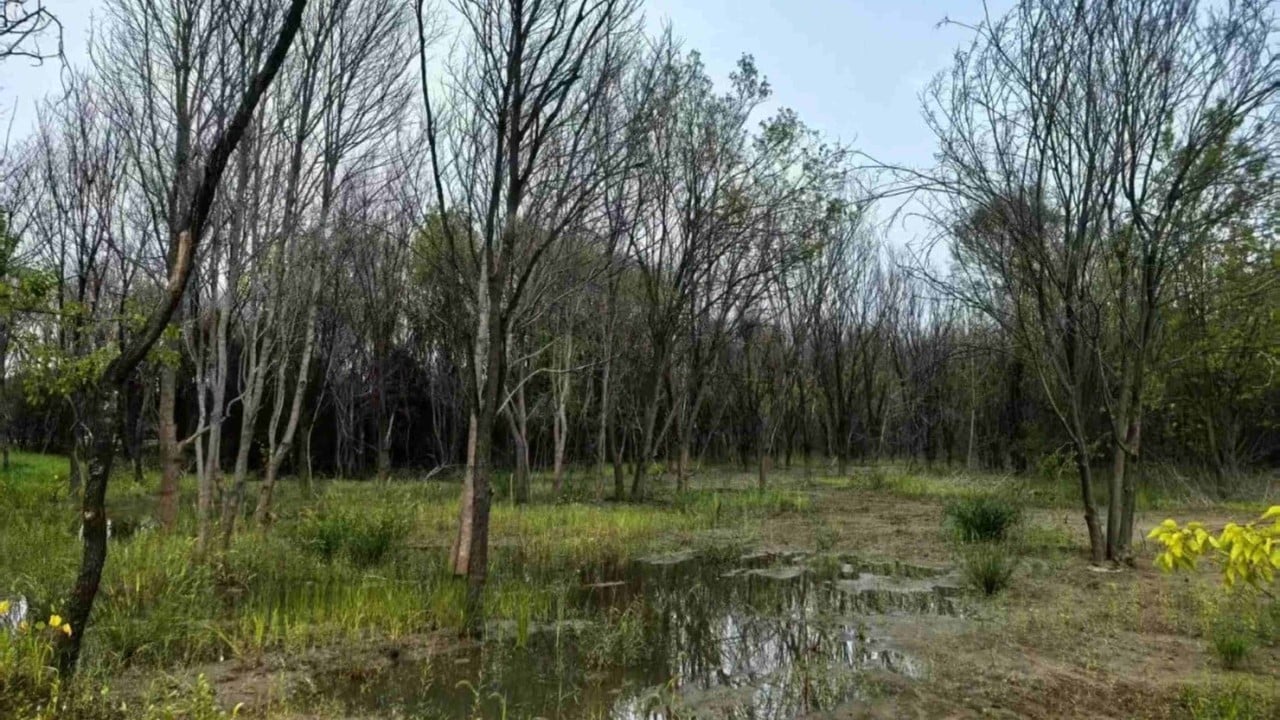
We spent decades treating water scarcity as an existential threat, pumping water back into depleted aquifers and cheering when water tables rose. Then the trees started dying.
In Jinzhandian Park, a sprawling flood-storage wetland in Beijing's Chaoyang district, thousands of trees have withered during an exceptionally wet summer. We are looking at locusts, poplars, willows, ginkgo trees, and pines dying en masse. Some of these specimens stood twenty years old, surviving historical droughts only to suffocate because the ground beneath them became too wet.
When subterranean water tables rebound too quickly, nature pushes back. Fixing one ecological imbalance often triggers another.
The Hidden Danger of Rapid Subterranean Recovery
Urban planners usually celebrate rising water tables. For decades, Beijing drained its underground reserves to support a booming population and intensive industry, causing water tables to drop dramatically. To reverse this decline, large-scale engineering marvels like the South-North Water Diversion Project, combined with strict restrictions on industrial groundwater pumping, poured billions of tons of water back into the regional system.
The plan worked too well.
Groundwater levels rose rapidly across parts of the Chinese capital. Soils that had remained dry or moderately damp for generations suddenly found themselves saturated from below. Plant roots need oxygen. When a sudden surge of subterranean water cuts off the oxygen supply in the root zone, trees drown silently from the bottom up.
Park administrators pointed to prolonged waterlogging as the main culprit behind the Jinzhandian Park die-off. It is a stark reminder that ecosystems adapt to specific hydrological baselines. Shift those baselines too fast, and the consequences turn destructive.
Why Urban Greening Projects Backfire
Cities love building lush wetland parks and planting millions of trees to combat pollution and urban heat islands. Wetlands double as natural flood-storage basins, absorbing heavy summer downpours. Yet, managing a wetland requires a delicate balance.
When heavy seasonal rains combine with a climbing water table, the soil profile transforms into a swamp. Trees planted during dry cycles develop shallow root systems because moisture sits deep underground. When the water table shoots upward, those shallow roots sit permanently submerged in saturated dirt.
You can watch the same pattern play out in urban planning projects worldwide. Engineers fix a drought problem by importing surface water or recharging aquifers, ignoring how local flora will react to a saturated root zone. Plants don't care about policy goals or regional water quotas. They drown when they can't breathe.
What Environmental Managers Miss
Most resource management strategies focus on quantity. We measure success by the meter—how many meters the water table rose, how many billions of cubic meters we added to the local aquifer. We rarely look at the velocity of recovery.
Speed matters. A slow, multi-decadal recovery allows root systems, soil microbiomes, and local vegetation to adapt gradually. A rapid, artificial surge catches living systems off guard.
If you want to avoid massive ecological disruptions during environmental restoration, you have to watch three critical factors:
- Hydrological velocity: Monitor how fast water tables rise, not just the net gain. Spikes exceeding normal seasonal variations stress local flora.
- Species tolerance mapping: Stop planting water-sensitive species in designated flood-storage zones where water levels fluctuate wildly.
- Soil aeration indicators: Test root-zone oxygen levels regularly in artificially recharged wetland parks.
Moving Beyond Quick Fixes
Beijing's unexpected tree mortality exposes a blind spot in modern environmental engineering. We treat urban ecosystems like plumbing systems where you simply turn a valve to adjust the flow. Nature operates on biological timelines that refuse to match political schedules.
Solving water scarcity is mandatory for a megacity to survive, but keeping trees alive requires paying attention to the ground beneath our feet. Ignoring the subterranean side effects of rapid water recovery guarantees that every victory on paper comes with a high ecological cost on the surface.
Watch the water table, but watch the roots too.
Beijing's Hidden Water System Is Recovering... But Not the Way You Think
This video provides an in-depth look at the complex dynamics behind Beijing's changing groundwater levels and subterranean water systems.
http://googleusercontent.com/youtube_content/1