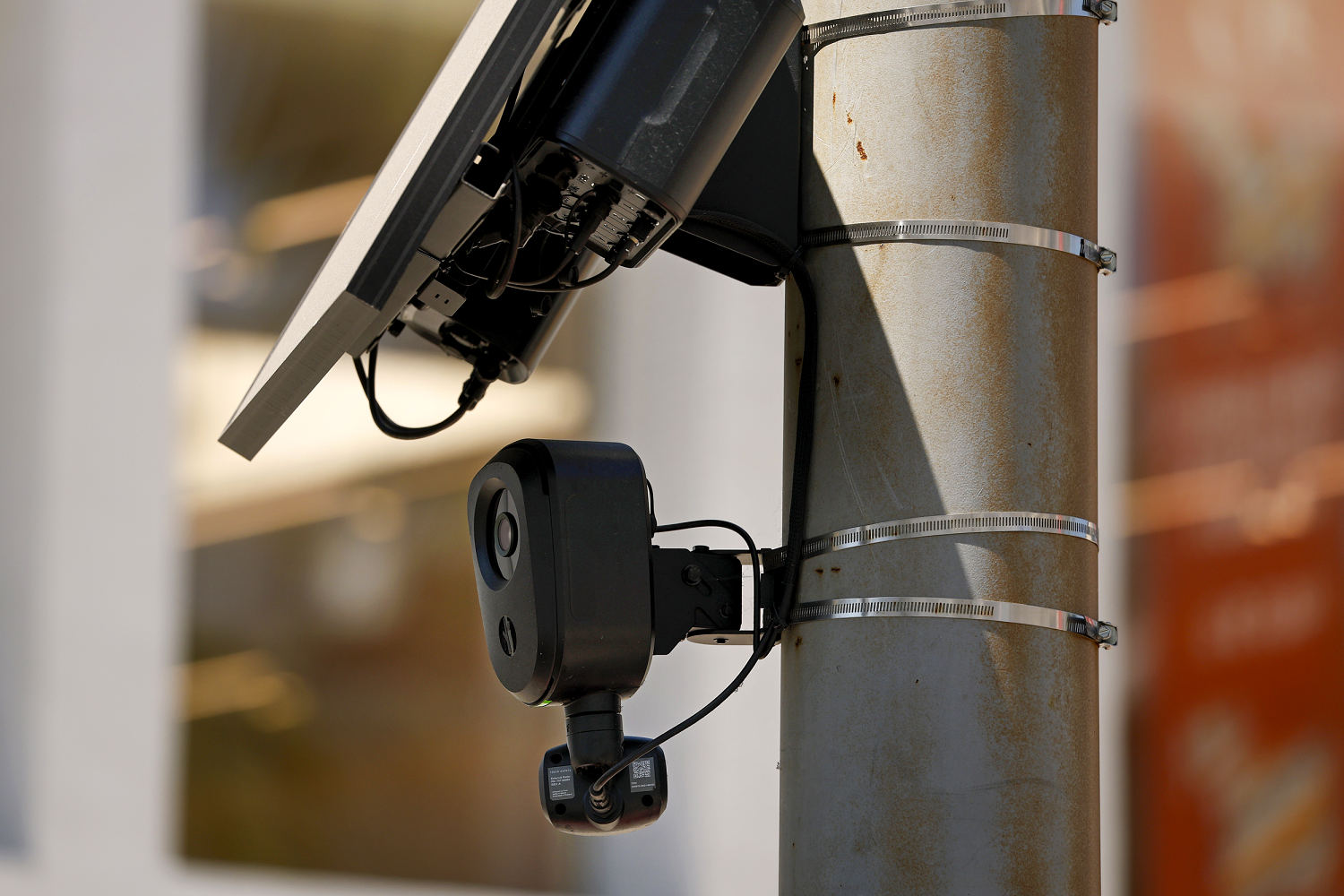
You drive down your street, and a sleek, solar-powered camera snaps your license plate. It logs your exact location, coordinates, and timestamp into a sprawling nationwide database. That data goes straight to law enforcement. It happens thousands of times a day. And most people have no idea it's happening.
Flock Safety has quietly built the largest public-private surveillance network in America. They sell automatic license plate readers to police departments, neighborhood associations, and private businesses alike. Their cameras log over 20 billion data points every month.
But a wave of recent scandals has blown the lid off how this system actually works. Police officers across the country are getting caught abusing Flock Safety tools to stalk ex-partners, track family members, and run personal vendettas. When local surveillance networks turn into personal tracking toys for bad actors, questions of oversight move front and center.
The Reality of Police Misuse
Law enforcement officers don't always use surveillance tech for official investigations. Recent investigative findings and police accountability reports reveal that dozens of officers have faced termination or criminal charges for misusing license plate reader technology.
Take Georgia, for instance. A string of arrests hit multiple police and sheriff departments after internal flags caught officers running unauthorized searches on family members and acquaintances. Similar incidents popped up in Massachusetts and beyond. Officers typed personal plate numbers into searchable databases just to see where someone was driving.
This isn't a glitch. It's a structural vulnerability. When you give thousands of local law enforcement personnel access to a massive, searchable tracking grid without strict, real-time guardrails, abuse is inevitable. Privacy advocates at groups like the American Civil Liberties Union and the Institute for Justice have warned about this exact scenario for years. Without a mandatory warrant requirement for querying automated license plate reader networks, drivers have zero practical protection against arbitrary tracking.
How Flock is Responding to the Backlash
Faced with mounting pressure and bad headlines, Flock Safety is changing its rules. The company announced mandatory rollouts of its "Audit Assistance" feature. This tool tracks abnormal activity patterns within police departments and flags suspicious searches. Under the new policy, customer accounts face automatic suspension while questionable activity undergoes review.
Additionally, Flock now requires officers to enter specific case codes connected to an active investigation whenever they run a search. While emergency bypasses exist, this forces accountability directly into the search workflow.
Privacy groups aren't popping champagne just yet. Critics point out that internal software audits are a reactive band-aid. They catch offenders after the privacy violation happens. They don't stop an officer from pulling up location history in the first place.
The Push for Shorter Data Retention
Data retention remains the biggest battleground. Flock cameras typically store location data for 30 days. That creates a massive, searchable archive of everyday movements. If you drove to a doctor's office, a protest, or a political meeting three weeks ago, that trip sits in a database waiting to be queried.
Proposals to shrink data retention windows down to seven days are floating around. A shorter retention window means less historical data exists for abuse or overbroad data-sharing initiatives. Yet, police departments fight hard to keep the 30-day window, arguing it gives them necessary breathing room to spot delayed crime trends.
What You Can Do About Local Surveillance
If you're tired of living inside an open-air tracking grid, you don't have to sit back passively. Local pushback works.
- Attend city council meetings: Police departments rarely buy these camera networks alone. City councils approve the budgets and sign the contracts. Ask your local elected officials if they have strict usage policies and independent auditing in place for any license plate reader contracts.
- Demand transparency reports: Push your local police department to publish annual reports detailing how many times they ran searches, who had access, and whether any internal discipline occurred for misuse.
- Support local privacy legislation: Push state legislators to introduce strict warrant requirements for querying automated tracking databases.
Surveillance tech companies will always promise safety. But safety shouldn't require trading away your right to move through your community without being tracked. Stop accepting passive monitoring as the price of modern life.