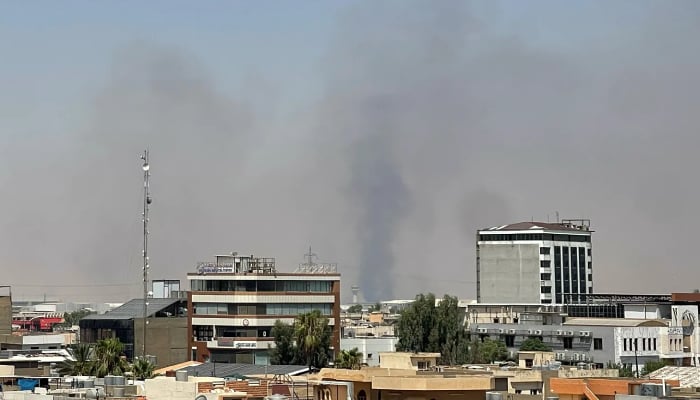
Security forces in Damascus didn't just stop a routine sabotage attempt this week. They caught two operatives red-handed with explosives, maps, and detonators, directly linking them to a plot against the Homs oil refinery. When Syrian authorities pointed the finger at Lebanon’s Hezbollah, it sent immediate shockwaves across the region.
If you're trying to make sense of what's happening on the ground, you have to look past the official press releases. Energy infrastructure isn't just getting targeted by accident; it's a calculated strategy to choke a fragile nation.
Inside the Homs Refinery Security Breach
The Homs facility isn't just any industrial plant. Right now, it's the primary operational oil refinery left running inside Syria. With the secondary facility in Baniyas undergoing extensive maintenance, any successful attack on Homs would instantly paralyze domestic fuel supplies, leaving hospitals, transport, and basic utilities scrambling.
When state agencies announced the arrests, they didn't just mention a vague threat. They seized active explosive devices and electronic remote-detonation gear meant to cripple central Syria's energy grid. This follows a string of mysterious pipeline bombings over the past few weeks, including attacks on oil and gas lines stretching toward Hasakah and the Baniyas-Homs corridor.
Why Hezbollah Denies Everything
Hezbollah’s leadership in Beirut lost zero time pushing back against the allegations. In a categorical statement, the group denied any presence or military footprint inside Syrian territory, insisting they have nothing to do with destabilizing the country.
Yet, history doesn't just erase itself overnight. During the long civil war that concluded with the fall of Bashar al-Assad's government, Hezbollah fought shoulder-to-shoulder with the old regime against the forces now running Damascus. That legacy leaves deep institutional hostility. Even as diplomatic channels occasionally flutter with talk of potential high-level talks between Syrian President Ahmed al-Sharaa and Hezbollah figures like Naim Qassem, the reality on the ground remains deeply volatile.
What This Means for Regional Stability
You might wonder why a proxy sabotage campaign matters outside of local headlines. It’s simple: energy pipelines are the veins of post-war recovery.
- Fuel Security: With operational refining capacity bottlenecked at Homs, any successful strike triggers an immediate humanitarian and economic crunch.
- Border Tensions: Accusations flying between Damascus and Beirut risk dragging Lebanon deeper into a regional security quagmire.
- Infrastructure Hardening: Syrian authorities have already spiked security readiness across all national energy assets to maximum levels, signaling that civilian infrastructure is now a frontline battleground.
Don't expect these covert operations to stop overnight. As intelligence agencies comb through the seized electronics and interrogate the suspects, the real test for Damascus will be securing hundreds of miles of remote pipelines against asymmetric threats. Keep a close eye on border security updates and energy output reports coming out of Homs over the coming weeks.