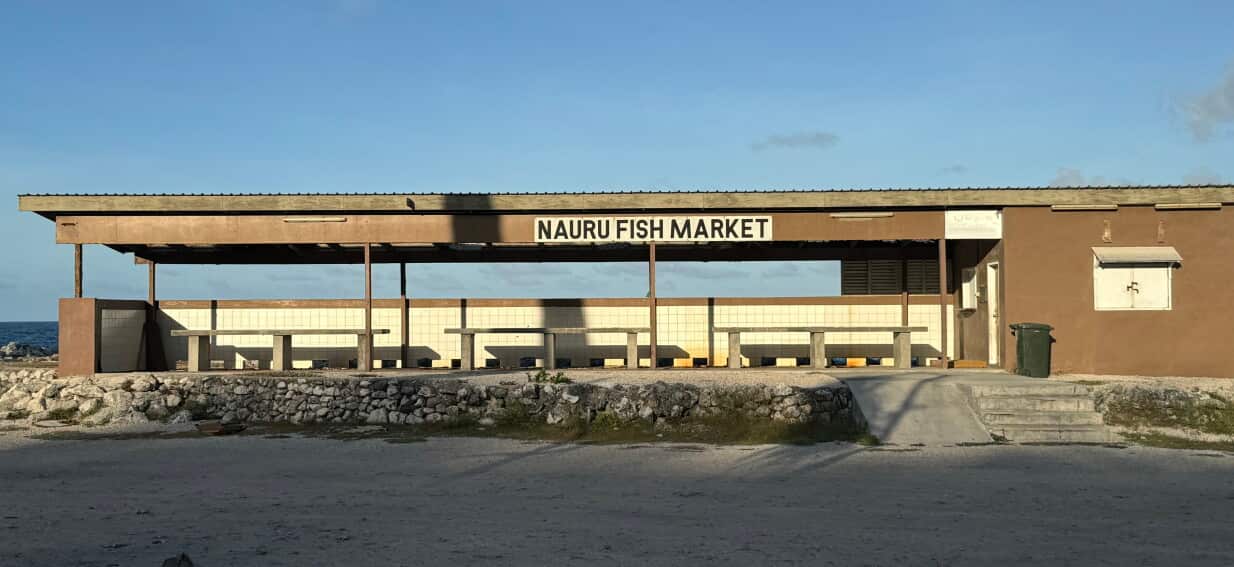
Imagine living on an isolated island where a single bag of grapes costs $20. Now imagine trying to feed yourself on exactly $130 a week.
That is the daily reality for dozens of people seeking asylum whom Australia has sent to Nauru. While the federal government pours massive sums of taxpayer money into offshore processing contracts, the human beings caught in the middle are quite literally going hungry.
A report titled Hungry for Freedom from the Asylum Seeker Resource Centre (ASRC) exposes the deep systemic failures of this arrangement. The data isn't just concerning. It is damning. Out of 78 people interviewed on the island, a staggering 99% stated they cannot afford enough food to survive on their current allowance.
The math doesn't add up. The policy doesn't work. The human cost is undeniable.
The Illusion of Community Living
People often think community detention or community accommodation means freedom. They assume it means a normal life outside the walls of a traditional prison camp. It doesn't.
For the roughly 91 people seeking asylum living in Nauru community settings, life is defined by severe financial restriction and legally mandated poverty. They receive a strict stipend of $260 AUD per fortnight. From that tiny pool of money, they must pay for food, clean water, clothing, and vital communication tools like internet access.
The Nauruan government explicitly prohibits these individuals from working. A public notice issued by the local justice secretary warned that any asylum seeker caught working without a specific visa faces prosecution or deportation. Local businesses are similarly warned not to hire them. This creates a forced dependency trap. You can't earn money, and the money you are given isn't enough to buy basic groceries.
Why Everything Costs So Much on a Remote Island
Nauru is a tiny, remote Pacific island nation. It has very little arable land and virtually no local agriculture. Almost all fresh food, vegetables, meat, and dairy must be flown or shipped in from thousands of kilometers away.
When supply planes arrive, fresh items sell out almost instantly. The prices are astronomically high. When a basic bag of fruit can wipe out a huge chunk of your weekly budget, you stop buying fruit.
The ASRC report highlights that 68% of the asylum seekers surveyed rarely or never have access to fresh fruit, vegetables, or meat. They end up surviving on white rice, plain flour, or dry biscuits just to keep their stomachs from growling. One individual interviewed reported losing 16 kilograms simply because he couldn't afford to eat properly. Another confessed to eating just one meal a day so his money wouldn't run out before the fortnight ended.
Staying connected to family back home makes things even tougher. Digicel is the main telecommunications provider on the island. A standard monthly data plan costs around $99. If you pay for the internet to speak to your terrified family, you lose nearly half of your food budget for the month. It is a brutal, impossible choice.
The Water Crisis Hidden in Plain Sight
Food isn't the only basic necessity out of reach. Drinking water is a constant battle.
Nauru has no natural rivers or freshwater lakes. The island relies almost entirely on desalination plants and rainwater collection. When rain is scarce, water shortages strike the entire community.
According to the data, 82% of the asylum seekers interviewed do not have easy access to free, clean drinking water. Many have asked for basic water filters for their accommodation, only to have those requests denied by administrators. People resort to boiling and cooling whatever tap water they can find, or they spend their precious food money on expensive bottled water.
Where Is the Billion Dollars Going
The most frustrating part of this situation is the sheer scale of Australian taxpayer spending. Australia spent nearly $1 billion on offshore processing contracts over the last financial year alone.
Let's break that down. The government spends roughly $1.5 million per year for every single asylum seeker held offshore. A private American prison operator, Management and Training Corporation (MTC), holds a massive multi-million dollar contract for "reception, garrison, and welfare" services on the island.
Yet, that enormous contract doesn't cover food for people placed in community housing.
Taxpayers are paying a premium for a system that leaves vulnerable people undernourished. The funds go straight to corporate management, administrative overhead, and security operations while the actual human beings survive on dry biscuits. It represents a massive gap between public expenditure and actual ground-level care.
Violence and Isolation Outside the Camp
Living in the community introduces other dangers that don't make it into official government press releases. Asylum seekers face significant hostility and isolation.
Several individuals reported facing physical violence when leaving their accommodation. Some tried to fish in the ocean to supplement their lack of food, only to be targeted and assaulted. Others reported being attacked while walking to local shops. When they approach the local Nauruan police for help or to file a formal complaint, they are frequently ignored or turned away.
This environment creates a profound sense of entrapment. You can't leave the island, you can't work to feed yourself, you can't afford the food in the shops, and you aren't safe walking down the street. The psychological toll is devastating. People report chronic fatigue, severe dizziness, deep depression, and worsening mental health driven entirely by prolonged hunger and stress.
Immediate Steps to Fix the Crisis
The current model is unsustainable and inhumane. Fixing it doesn't require dismantling the entire regional framework overnight, but it does require immediate human intervention.
Increase the Fortnightly Stipend
The $260 fortnightly allowance must be adjusted immediately to match the actual cost of living on an isolated island. Indexing payments to local Nauruan supermarket prices rather than arbitrary baselines would allow people to purchase fresh meat and vegetables.
Grant the Right to Work
Lifting the ban on employment would allow asylum seekers to contribute to the local economy, fill labor shortages, and earn the money they need to feed their families with dignity.
Provide Direct Food Supply and Water Filtration
Instead of leaving individuals to navigate a broken retail supply chain, the garrison contractors should be mandated to distribute fresh food boxes and commercial-grade water filters to every community housing unit.
Demoralize Secretive Spending
The Australian federal government needs to open the books on the MTC contract. Independent oversight mechanisms must track how billions of dollars are allocated, ensuring that basic human rights like nutrition and safety are met first.