Foreign governments usually stay quiet during domestic political party conventions. Breaking that unwritten rule always triggers a fierce backlash.
When Israel's embassy released a sharp, multi-page critique of the Australian Labor Party's draft national platform ahead of its Adelaide conference, critics instantly screamed about foreign interference. They claimed a foreign state had no business lecturing a local political movement on its wording regarding the Middle East.
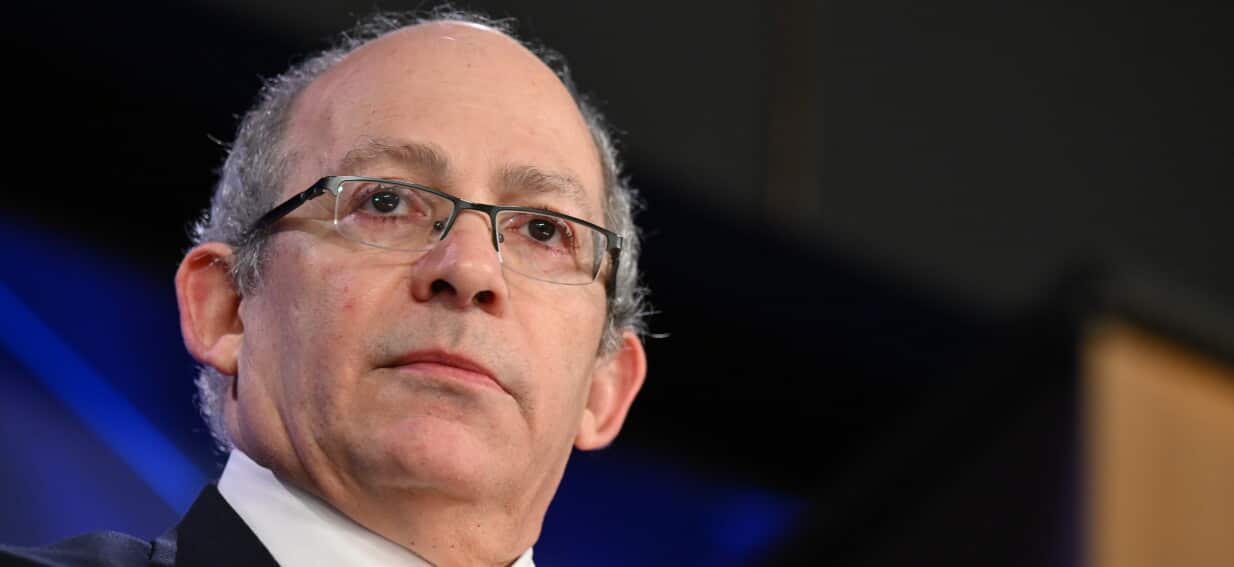
Israel's ambassador to Australia, Hillel Newman, pushed back hard against those accusations. Speaking openly about the diplomatic friction, Newman argued that the embassy did not cross any lines.
Setting the Record Straight on Diplomatic Boundaries
People love to throw around phrases like foreign interference the moment a foreign mission expresses an opinion. Newman rejected that narrative entirely.
"We had no intention and no actual intervention," Newman stated when addressing the controversy. He framed the embassy's public statement not as an attempt to bully or dictate policy, but as an informational resource.
According to the embassy's view, decision-makers need unfiltered data points before locking in official party stances. The draft platform in question took direct aim at Israel, addressing issues ranging from settler violence in the West Bank to international legal bodies and regional security.
Diplomats are paid to advocate for their home countries. When a major political party in a friendly nation drafts a policy platform that places heavy criticism on one side of a violent conflict, silence from that embassy is actually the anomaly. Still, timing matters. Dropping a major critique right before a national convention guarantees maximum friction.
What the Labor Platform Actually Proposes
To understand why the embassy took such a public stance, you have to look at the evolving nature of the platform itself. The Australian Labor Party's policy document shifted notably following the government's decision to recognize Palestinian statehood.
The text walks a delicate diplomatic tightrope. It condemns terrorism and explicitly calls out Hamas. At the same time, it targets Israeli settlement activity, criticizes specific Knesset legislation regarding capital punishment for terrorists, and emphasizes international humanitarian law.
Pro-Israel advocates argue the wording unfairly shifts the bulk of the accountability onto Israel while glossing over the ongoing threat posed by militant groups. On the flip side, Palestinian advocacy groups like the Australia Palestine Advocacy Network argue the platform doesn't go far enough in holding Israel accountable.
When everyone is unhappy, you might be striking a diplomatic balance, or you might just be alienating everyone at once.
The Double Standard of Diplomatic Lobbying
Newman pointed out a glaring inconsistency in how critics react to foreign voices. He noted that Palestinian representatives regularly voice their perspectives on domestic political conventions without facing identical accusations of illicit meddling.
Foreign representation relies on engagement. Embassies meet with MPs, issue press releases, and distribute briefing papers daily. Treating an open critique of a draft policy as an existential threat to democracy ignores how international relations function behind closed doors.
Yet, public statements carry different weight. Once a foreign embassy publishes a harsh critique online and in the media, it transforms a quiet internal party debate into a public referendum on loyalty and external influence.
The Fallout Inside the Convention
Despite the noise, the intervention didn't rewrite the playbook for the Labor conference. Delegates ultimately adopted the platform's positions on the Middle East without massive changes or dramatic floor revolts.
The government continues to navigate its positions carefully, balancing progressive internal pressure with long-standing strategic alliances. Diplomatic memos and ambassadorial defense won't stop political parties from drafting platforms that reflect their internal values.
Governments will keep drafting policy, and foreign missions will keep pushing back when they feel misrepresented. Expect more public clashes as global conflicts continue to spill directly into domestic political arenas.
Israel Ambassador Hillel Newman Interview on SBS Hebrew
This video provides direct context on the diplomatic pressures and public messaging utilized by Israeli representatives engaging with Australian audiences and media platforms.
http://googleusercontent.com/youtube_content/1