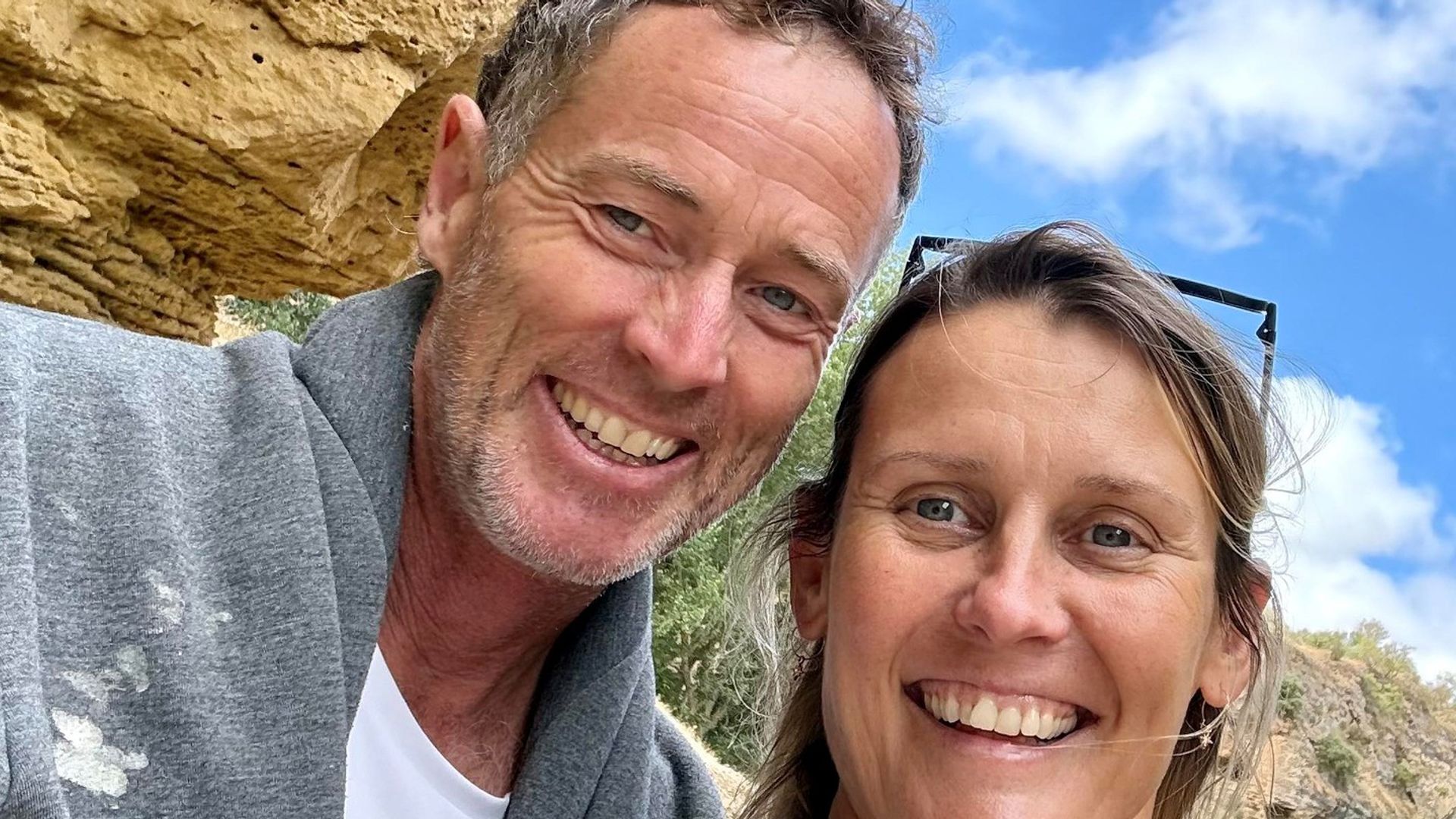
Lindsay and Craig Foreman spent months refusing food inside Tehran's notorious Evin Prison, pushing their bodies to the absolute brink. Now, after 93 days for Craig and 84 days for his wife, the British couple have finally called off their exhausting protest. But don't mistake this for a happy ending.
If you're wondering why a couple halfway through a round-the-world motorcycle trip ended up locked behind bars facing decades on fabricated espionage charges, you aren't alone. Seized in January 2025 while passing through central Iran, the pair have spent over eighteen months trapped in a geopolitical chess match that shows zero signs of slowing down. Their families report that the grueling hunger strikes—launched back in May to protest the horrific physical toll of their confinement and squalid prison conditions—were wrapped up by turning the final five days into a "fast for good." It's a symbolic pivot meant to draw eyes outward, toward the plight of others locked up in Iran, yet the core nightmare for the Foremans remains entirely unresolved.
The Reality Behind the Protests
Let's be real about what a months-long hunger strike actually means. When someone refuses food for nearly three months inside an overcrowded facility like Evin Prison, they aren't just making a political statement. They're playing Russian roulette with their own organs.
Craig and Lindsay, both in their early 50s, watched their physical health crumble away brick by brick. Reports from human rights monitors indicate severe weight loss, dangerous body tremors, and dizzy spells that left them barely standing. This wasn't their first rodeo either; they staged a month-long joint hunger strike late last year just to force authorities into allowing basic family contact.
Why did they feel forced to stop eating again? Because when you're cut off from the outside world, denied a fair trial, and hit with arbitrary sentence extensions—like the extra two years tacked onto Craig's term simply for speaking to the media—refusing food becomes the only megaphone you have left.
How a Dream Journey Turned Into Hostage-Taking
The Foremans weren't spies, intelligence operatives, or political agitators. They were ordinary travelers on a dream motorcycle trip across continents, armed with valid visas, an approved itinerary, and a licensed guide.
Yet, within twenty-four hours of their abduction, interrogators slammed them into solitary confinement cells measuring barely two-and-a-half meters square, stripping them naked and barking threats. United Nations rights experts haven't minced words about this case. They've openly categorized what's happening to British citizens like the Foremans as state-sponsored hostage-taking.
Consider the sheer lack of due process:
- Convictions handed down with zero credible physical evidence.
- Show trials overseen by judges already sitting under international sanctions.
- Sudden kangaroo court updates where extra prison time is slapped on for talking to journalists.
What Happens Next
Now that the hunger strikes are over, the heavy lifting shifts back to diplomatic channels and public pressure. Joe Bennett, Lindsay's son and the family's vocal advocate, has made it clear that the immediate priority is stabilizing their battered bodies and keeping the pressure on the UK government.
Getting hostages out of foreign prisons doesn't happen by accident. It takes relentless political will, public noise, and refusal to let governments sweep complex cases under the rug. The Foremans chose to stop starving themselves, but they are still counting down days inside a cell they never should have entered. Keep talking about their names, keep pushing officials, and don't let the noise fade out just because the headlines changed.
/media/movies/covers/2026/05/cats_aN0SAZJ.png)