We talk about battlefield bravery in terms of abstract statistics and grand strategy, but real survival usually comes down to split-second, irrational acts of human stubbornness.
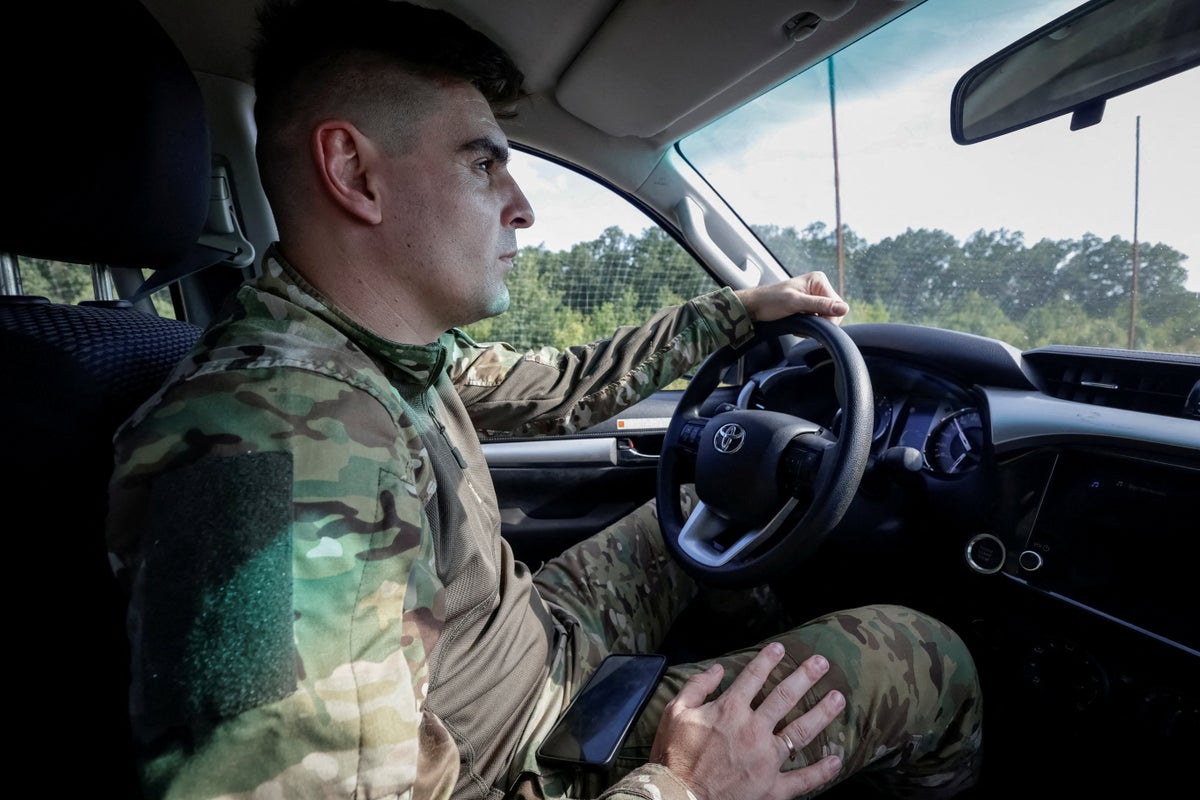
When a robotic evacuation vehicle broke down under fire in a northern Ukrainian combat zone, two wounded soldiers were left stranded under an open sky. One lay trapped on the disabled machine with a shattered leg; the other had crawled into a shallow ditch. Watching the feeds from 15 kilometers away, junior lieutenant Vladyslav Polskyi didn't wait for a committee or a safer window. He grabbed the keys to a grey pickup truck, stripped off his heavy body armor for speed, and floored it straight into a heavily mined kill zone swarming with enemy drones.
Polskyi wasn't a lifelong professional soldier. Four years ago, he was a science teacher in Zaporizhzhia. By August 2026, the 29-year-old assault company commander—known by the call sign "Teacher"—was receiving the Hero of Ukraine medal from President Volodymyr Zelensky.
Why Technology Hits a Wall on the Frontline
Modern warfare relies heavily on remote technology to keep personnel out of harm's way. Unmanned ground vehicles and aerial drones are supposed to remove human risk from casualty evacuation. But theory breaks down fast when mechanical failure meets harsh terrain and active targeting.
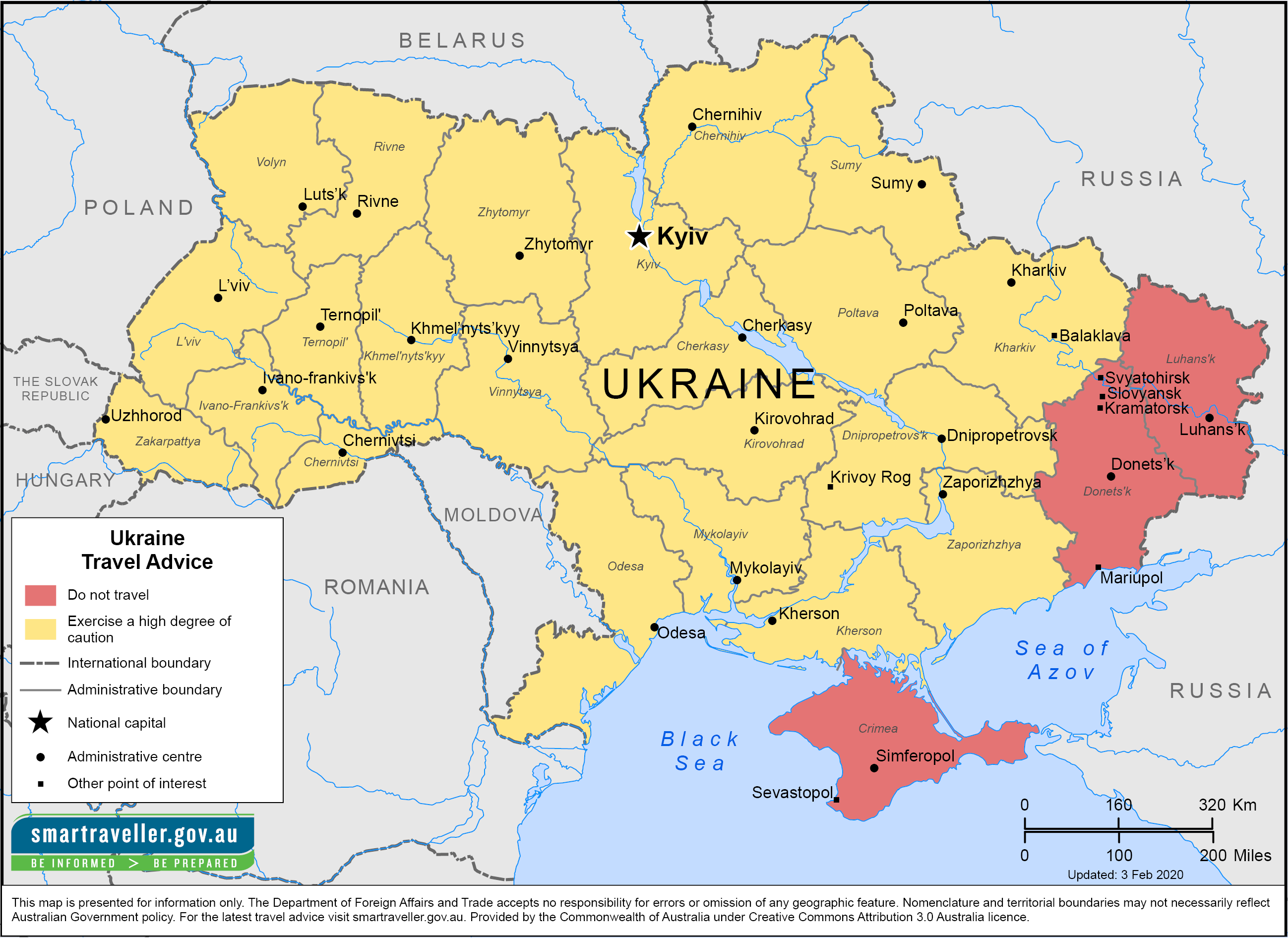
The unmanned land drone carrying the wounded fighters in the Kharkiv region was hit directly by an explosive Russian FPV drone. Suddenly, high-tech evacuation failed, leaving flesh-and-blood troops exposed to the elements and incoming fire.
Polskyi understood the limits of the screens in his command post. He calculated that waiting for another robotic option meant certain death for the stranded men.
- Unmanned ground vehicles can't improvise when hit.
- Heavy armor slows down response times when seconds matter.
- Real-time drone surveillance cuts both ways, exposing rescuers just as fast as victims.
Stripping Off Armor for Speed
The rescue mission itself lasted less than a minute at the pickup point, but getting there required driving an unarmored vehicle at reckless speeds—reportedly reaching up to 160 kilometers per hour across rough terrain. Polskyi deliberately left his helmet and body armor behind. He knew that if a mine or a direct drone strike hit him, armor wouldn't save him anyway. Mobility was his only currency.
When he reached the damaged drone, he didn't hesitate. He hoisted the wounded men onto his truck bed while monitoring systems flashed warnings that enemy explosive drones were inbound. He drove them back to safety just minutes before the area became a target zone again.
What the Hero of Ukraine Medal Really Represents
Honors like the Order of the Gold Star usually highlight tactical brilliance, but Polskyi frames his choice through basic human empathy. He told reporters that if he were the one bleeding out in a ditch, he would want someone to come get him instead of writing him off as a lost cause.
The soldiers he saved weren't even from his own company. In an active assault regiment, corporate-style divisions dissolve because survival depends entirely on mutual rescue. When the system breaks down, individuals step up.
Stop looking at modern conflict as a purely automated chessboard. At the end of the day, victory or survival still rests on ordinary people throwing away the playbook to drag their people home.