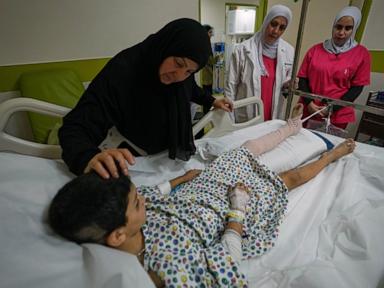
Twelve lives ended in a matter of seconds when Israeli warplanes tore through a residential pocket in Kfar Rumman, exposing the brutal reality behind a failing ceasefire. Two children were among the dead, their schoolbooks left scattered across chunks of pulverized concrete where families had been preparing for the morning routine.
If you are wondering why violence keeps flaring in southern Lebanon despite international diplomatic frameworks, you need to look at what is happening on the ground around Nabatiyeh. The June ceasefire brokered by the United States promised a gradual rollback of hostilities, yet the reality on the front lines tells a completely different story. You might also find this related article insightful: What The Viral In N Out Spatula Hero Story Actually Teaches Us About Bystanders.
The Breaking Point in Kfar Rumman
The strikes that hit Kfar Rumman weren't isolated incidents. Lebanon's Health Ministry confirmed that a primary attack obliterated a three-story residential building, killing 11 people—including four women and two children—while wounding eight others. A separate strike targeted a vehicle nearby, killing a paramedic from the Islamic Risala Scout Association.
Local officials didn't mince words. Abdullah Farhat, the mayor of Kfar Rumman, labeled the assault a massacre. He pointed directly at the political leadership, arguing that inked diplomatic deals offer zero protection when bombs start falling on civilian neighborhoods. When you stand in front of a flattened apartment block where kids slept hours before, official press releases about operational control and strategic hills ring hollow. As extensively documented in detailed reports by Al Jazeera, the effects are widespread.
Why the Framework Agreement Is Failing
The Israeli military claimed the bombardments came in direct retaliation for drone attacks targeting troops in the region, asserting they struck operatives moving weapons. Yet, the friction goes deeper than daily skirmishes.
- Strategic High Ground: The Israeli military recently seized the Ali Taher ridge, a commanding vantage point overlooking major transit routes into Nabatiyeh. Controlling this high ground changes the tactical balance completely.
- The Disarmament Impasse: The underlying diplomatic agreement demands that Hezbollah disarm and that state forces deploy. Achieving that on the ground remains an uphill battle, leaving civilians caught in a permanent security vacuum.
- Erosion of Deterrence: When ceasefires lack robust enforcement mechanisms, minor flare-ups quickly spiral into heavy aerial bombardments that devastate civilian infrastructure.
Residents like Saleh Medlej refuse to evacuate, asking reporters a blunt question while staring at the wreckage of family homes: "Are there missiles here?" That frustration captures the sentiment of entire communities in southern Lebanon who feel abandoned by broader geopolitical maneuvers.
Diplomacy in Washington or Beirut means little when families are burying their children in the rubble of their own living rooms. Until enforcement mechanisms change or political wills align, the cycle of escalation will continue to claim innocent lives.
Israeli strikes kill 11 in south Lebanon village, including two infants
This video highlights the immediate aftermath and local reporting on the devastating residential building strike in Kfar Rumman.
http://googleusercontent.com/youtube_content/1