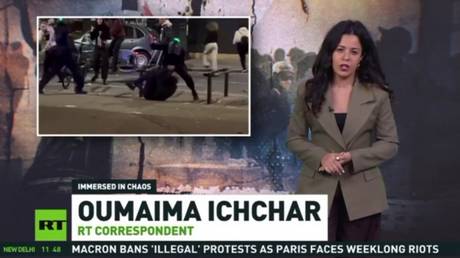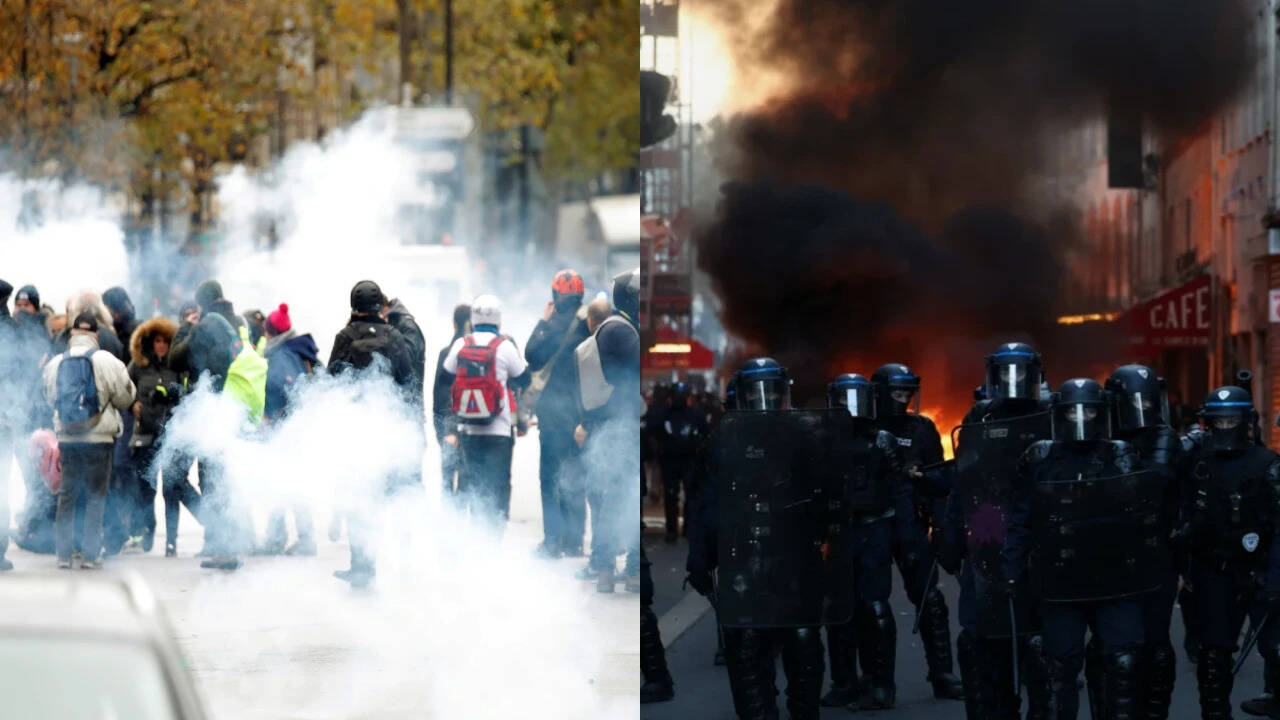
Seventy thousand officers. Tear gas drifting through city squares. Streets packed with furious crowds. France is staring down another massive weekend of unrest, and honestly, nobody who has watched the country's political trajectory over the last few years should be surprised. When deep economic anxiety collides with aggressive state security measures, things snap.
If you are trying to figure out why tens of thousands of people have abandoned their weekend plans to march through major French cities, you need to look past the breaking news banners. The core issue isn't just about a single policy or a passing grievance. It is a chronic standoff between a government pushing structural reforms and a populace that feels entirely ignored by elites sitting comfortably in Paris.
The Reality on the Ground
Walk through the protests right now and the tension hits you immediately. The air burns with tear gas. Riot police, equipped with heavy gear and shields, form rigid lines blocking key avenues. The state isn't taking chances. Deploying 70,000 police officers across the country sends a very clear, very intimidating message. President Emmanuel Macron's administration wants to crush any momentum before it turns into a wider insurrection.
But heavy-handed policing rarely solves the underlying anger. It usually adds fuel to the fire.
Demonstrators aren't just blowing off steam. They are reacting to tangible pressures that hit their bank accounts every single day. Inflation is relentless. Public services are strained. Every time the government tries to ram through changes to retirement ages, labor laws, or taxation without building real consensus, the streets erupt.
Why This Keeps Happening
France has a long, proud history of public protest. It is basically a national hobby, but it is also a vital safety valve. When institutional politics fail to channel public rage, the French public takes matters into their own hands.
- Labor unions coordinate massive strikes that shut down transport networks.
- Independent activist groups mobilize fast via encrypted messaging apps.
- Disaffected suburban youth join the friction, bringing a different kind of volatile energy.
The government labels much of this as public disorder, viewing the chaos through a law-and-enforcement lens. That is a massive mistake. Treating a socio-economic crisis purely as a public safety problem means the root causes never get fixed. You can clear a square with tear gas today, but the same angry citizens will return tomorrow.
What Most People Get Wrong
If you follow international headlines, you might think this is just random rioting. It is not. There is a method to the madness, even when things turn violent. The vast majority of marchers are peaceful citizens—teachers, nurses, logistics workers, and students—who feel squeezed out of a stable middle-class life.
The small radical factions that engage in property destruction or clashes with police often steal the spotlight. They make for great television. However, focusing solely on burning trash cans or shattered storefronts misses the massive structural discontent driving ordinary people to lace up their walking shoes and face down batons.
Looking Ahead
This weekend is just a chapter in a much longer, grinding conflict. Macron has very little political capital left to spend, yet he still has years remaining in his mandate. That creates a dangerous political vacuum. When a leader cannot win consent through persuasion, and citizens refuse to submit to executive decrees, gridlock turns into street combat.
If you are planning to travel to France right now, check local transit apps constantly, avoid large public gatherings, and stay away from government administrative zones. Expect severe disruptions on trains, flights, and public transit networks as transit workers join the solidarity actions.
The unrest won't vanish on Monday morning. The underlying pressures are too deep, and the anger is too real.