Brussels thrives on diplomatic horse-trading, but the latest compromise on Russian sanctions leaves a bitter taste. The European Union just agreed to remove billionaire Alisher Usmanov and Mikhail Fridman from its restrictive blacklist, extending restrictions on nearly three thousand other entities for another three years. Paris drove the push to free Usmanov, citing national security pressures linked to geopolitical tensions with Azerbaijan. It is a stunning about-face for a bloc that vowed to tighten the screws on Vladimir Putin's inner circle until the war in Ukraine stops.
Ukraine's leadership didn't mince words. Foreign Minister Andrii Sybiha called the move shameful and unjustifiable. Kyiv argues that letting powerful figures slip away when their assets fueled a war machine sends the absolute wrong message. Yet, behind closed doors in Brussels, a hard reality set in. Without a concession to France and Luxembourg, the entire three-year sanctions renewal package faced total collapse.
To understand why Paris risked political capital to bail out a metals tycoon, you have to look beyond standard EU policymaking. French diplomacy found itself cornered by external pressures, specifically involving detained French nationals in Baku and intense lobbying from regional partners. Paris defended its stance as a matter of national security, though it triggered furious opposition from Baltic states and eastern European capitals who warned that folding to pressure opens the door to blatant diplomatic blackmail.
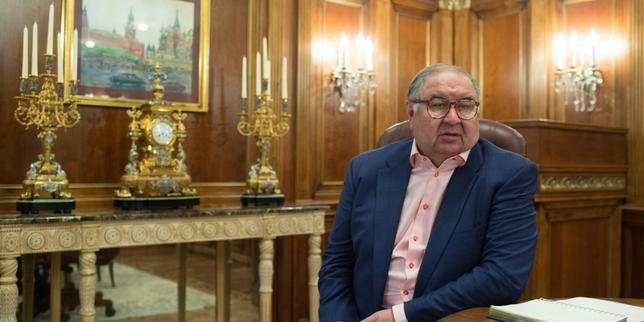
Alisher Usmanov isn't just any billionaire. Born in Uzbekistan, he built a massive fortune spanning mining, steel, and telecommunications through conglomerates like Metalloinvest. When the EU slapped him with asset freezes and travel bans back in 2022, Brussels explicitly labeled him a pro-Kremlin business figure with exceptionally close ties to the Russian presidency. For years, legal challenges in European courts went nowhere. Even as recently as late 2025, the EU’s General Court rejected his appeals, keeping his name firmly on the blacklist.
Then came the September 2026 deadline. The expiration of broad sanctions packages requires absolute unanimity among all member states. By leveraging its veto power, France blocked the renewal until its demands regarding Usmanov were met. Luxembourg played a similar hand to extract Mikhail Fridman from the list, pointing to ongoing legal exposure and arbitration claims.
Critics argue this exception cracks the foundation of European solidarity. When major powers carve out secret backroom deals for specific tycoons, the entire regime looks toothless. Kremlin spokesman Dmitry Peskov immediately dismissed all EU sanctions as illegal anyway, signaling that Moscow views these concessions not as a gesture of goodwill, but as proof of Western fracture.
For ordinary observers watching European foreign policy play out, the lesson is stark. Geopolitics rarely follows a clean moral playbook. When state security, hostage diplomacy, and domestic political survival collide, high-minded principles of international justice often take a back seat. The sanctions renewal stands, but the price was letting two of Russia's wealthiest enablers walk free.