Smoke clears over Parisian boulevards. Sirens wail near university gates. Young people are back on the barricades.
If you watch French politics for more than five minutes, you notice a recurring script. A government policy drops. Students take massive exception. Streets erupt. Tear gas fills the air. Police clash with demonstrators. It looks chaotic. It looks explosive. But if you strip away the burning dumpsters and media sensationalism, a much deeper structural frustration drives these movements.
France has a long, unapologetic history of street politics. Understanding why thousands of students march, strike, and occasionally riot requires looking past today's headlines and examining the pressure cooker of modern French youth culture.
The Unique French Tradition of Direct Action
Americans often find French protest culture baffling. When American students are unhappy with tuition hikes or administrative decisions, they might write op-eds, sign petitions, or stage peaceful campus sit-ins. French students take a different route. They block high schools, barricade university campuses, and march through city centers alongside labor unions.
This isn't an accident. It is baked into the national DNA.
The French republic was born from revolution. Direct action is viewed not as a nuisance, but as a legitimate civic tool. When young people feel ignored by elected officials in Paris, blocking traffic is seen as the only language the state actually respects. Unions back them up. Older generations nod along. There's a shared cultural understanding that youth unrest acts as an early warning system for the entire country.
What Sparked the Latest Fury
Every wave of protests has specific triggers. Usually, they center around economic anxiety, labor reforms, or educational funding.
Young adults face brutal realities in the current job market. Fixed contracts are hard to secure. The cost of living in major cities like Paris, Lyon, and Marseille eats up entry-level salaries before paychecks even clear. When governments propose changes that make job security harder or retirement ages later—as seen in past pension showdowns that galvanized millions of youth—students realize their future is being negotiated without their consent.
Inflation makes everything worse. Rent prices climb. Grocery bills hurt. Students working part-time service jobs find themselves squeezed from every direction. So when a new policy drops that smells like austerity or bureaucratic overreach, the boiling point is reached instantly.
The Clash Between State Power and Youth Defiance
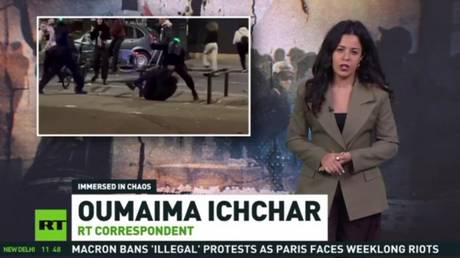
When protests swell into the thousands, police responses are swift and heavy-handed. Riot squads, tear gas, and baton charges become standard fixtures of the daily commute.
This creates a vicious cycle. The state aims to restore public order. Students view the heavy police presence as an assault on their constitutional right to protest. Clashes escalate. Radical factions—often called casseurs—hijack peaceful student marches to smash storefronts, set vehicles on fire, and fight security forces.
Mainstream media loves the footage of burning barricades. It plays well on evening news loops. But focusing solely on the violence misses the point entirely. The kids holding banners aren't all rioters. Many are exhausted teenagers and twenty-somethings genuinely terrified about what their adult lives will look like.
Economic Dread and the Educational Bottleneck
Higher education in France is largely state-funded, which sounds great on paper. But it comes with hidden traps. Universities are chronically underfunded. Lecture halls overflow. Administrative hurdles frustrate thousands of applicants every single semester.
Graduating doesn't guarantee stability either. The transition from a university degree to a stable, well-paying career is notoriously bureaucratic. Employers demand years of experience for entry-level positions. Temporary contracts replace permanent jobs. Young French citizens feel like second-class participants in an economy rigged to favor older, established generations who secured their positions decades ago.
Why This Cycle Will Not Stop
Governments come and go. Presidents change parties. Yet the student strikes return like clockwork.
Until structural reforms genuinely address youth unemployment, affordable housing, and educational funding, young people will keep returning to the asphalt. They have time, energy, and a collective stubbornness that outlasts political election cycles.
Pay attention the next time Paris grinds to a halt. It is never just about a single policy. It is about a generation fighting to make sure they aren't left behind.