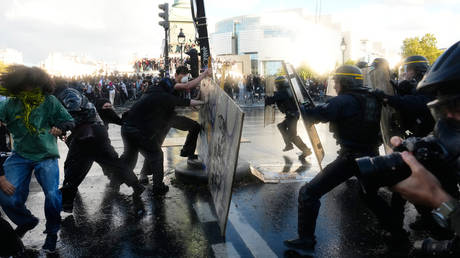
Tear gas filled the air around Place de la Bastille as police baton charges met thousands of angry young demonstrators. France is burning through another wave of civil unrest. Students are furious. Schools are underfunded, teacher shortages are chronic, and the government is pushing ahead with harsh budget cuts.
What started in mid-September as a localized walkout at a high school in Créteil has exploded into a nationwide movement. On Thursday alone, the French Interior Ministry estimated that 71,500 people took to the streets across the country, with 24,500 demonstrating in Paris. Labor unions placed the actual turnout much higher at over 130,000.
The Core Grievance Behind the French Student Protests
You can't understand these demonstrations by looking at police clashes alone. The anger stems from years of systemic neglect in the public education system. Students and teachers are dealing with overcrowded classrooms, deteriorating infrastructure, and unfilled teaching posts.
Education Minister Edouard Geffray defends the state's stance by pointing to shrinking student demographics. Officials argue that fewer students mean fewer teachers are needed. But people on the ground see it differently. They argue that trimming staff worsens learning conditions instead of fixing systemic inefficiencies.
The immediate trigger for the latest escalation is the proposed 2027 budget. While the plan nominally increases education spending by €1.2 billion, it also eliminates 1,588 teaching posts. For high schoolers and university students facing structural shortages, this math doesn't add up.
Escalating Clashes and Property Damage
The situation in Paris deteriorated quickly on Thursday afternoon. Videos shared widely on social media showed riot police deploying water cannons, stun grenades, and tear gas to clear the crowds. Protesters responded by throwing objects and erecting makeshift barricades.
The human and physical toll is mounting fast. According to government figures, 24 high schools sustained major damage during the clashes. Across the nation, 375 schools were either fully or partially shut down. The Justice Ministry estimates the repair bill for damaged school buildings and street furniture will run into millions of euros.
A Broader Wave of European Austerity
France isn't operating in a vacuum. These protests coincide with broader labor union strikes opposing a massive €43 billion austerity package aimed at shrinking the national deficit. Measures include freezing public-sector wages, holding social benefits flat, and scaling back public services. Unions warn these policies will crush low-income households.
Similar public anger is bubbling over across Europe. Students and workers in Italy, Belgium, and Greece have hit the streets over inflation, housing costs, and decaying public infrastructure. Governments across the continent are finding it increasingly difficult to balance budgets on the backs of public workers and students without severe social blowback.
If you look closely at the trajectory of French politics, these showdowns rarely end quietly. The government wants fiscal restraint. The streets want investment. Until someone blinks, the clouds of tear gas over Paris won't clear anytime soon.