History has a habit of getting sanitized. We read textbooks about the American Revolution and see clean oil paintings of noble generals standing in pristine uniforms. But the reality of 1776 wasn't a gallery painting. It was a brutal, muddy, disease-ridden struggle for survival.
We just got a massive reality check from a hilltop in upstate New York. Meanwhile, you can read other events here: Why the US Iran Peace Deal Is Already Sabotaging Itself.
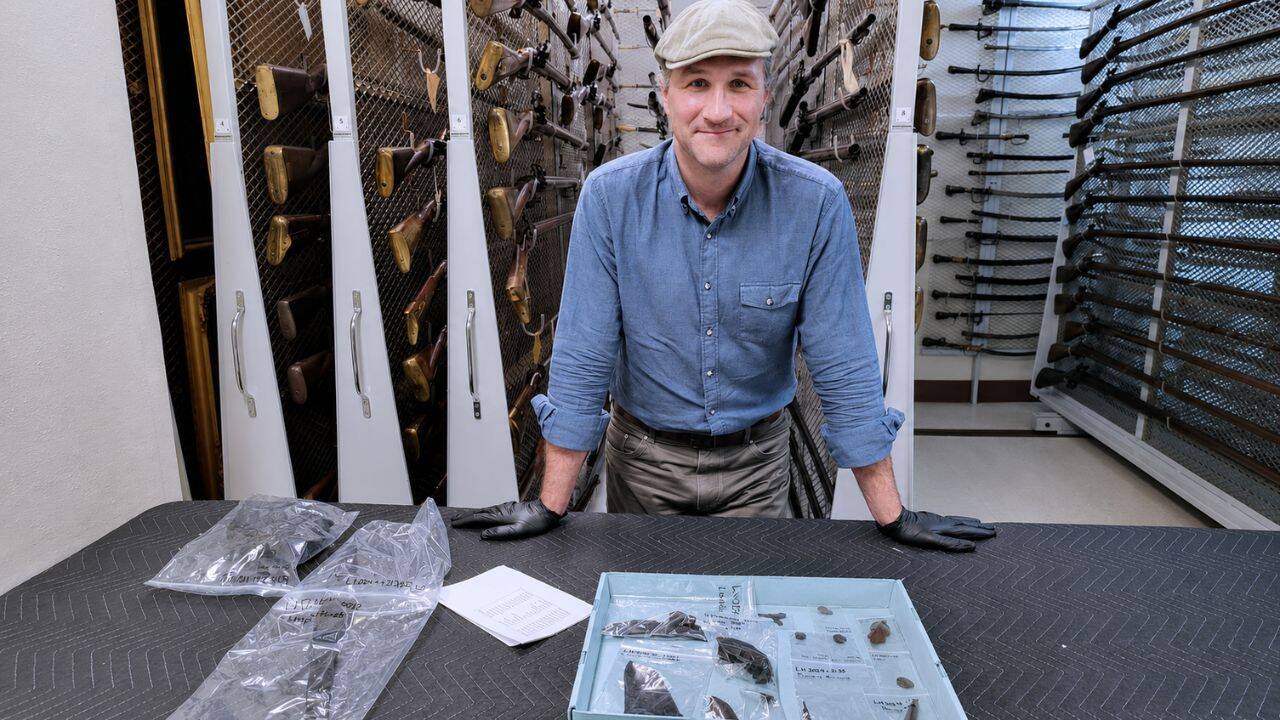
Archaeologists working at Fort Ticonderoga recently announced the recovery of more than 500 artifacts from a spot called Liberty Hill, less than a mile from the main fort walls. These objects have been sitting in the ground since the Continental Army camped there. What they found doesn't just fill museum display cases. It completely rewrites our understanding of the daily grit, exhaustion, and small victories of the soldiers who held the line during the nation's darkest early days.
http://googleusercontent.com/lmdx_content/oumKuHrqqXRqQsHSQsNARUvCIuHGwtKpkSVxQLJwrbBYhJjgWYUWcGWVeazjpeKZHEpUInrJsWXCAvIoRRWiiPEkZkILPbABlCzVpfkPfWePLXmWinDUaVhRVnQDYnvGZpzMCdBqQPtqmvKH2529 To see the complete picture, we recommend the excellent article by NPR.
The Ground Where Independence Met Smallpox
To understand why these 500 items matter, you have to look at what was happening in July 1776. The Continental Congress had just signed the Declaration of Independence in Philadelphia. But up north, the war was going terribly.
The Continental Army was retreating from a disastrous, failed invasion of Canada. They were beaten up, exhausted, and absolutely ravaged by smallpox. When they crawled back to Fort Ticonderoga, they set up massive camps on the surrounding high ground, including Liberty Hill.
This wasn't a triumphant army. It was a collection of desperate, sick soldiers trying to dig in before the British army came down Lake Champlain to crush the rebellion.
Then came July 28, 1776. On that afternoon, Colonel Arthur St. Clair stood on Liberty Hill and read the text of the Declaration of Independence aloud to the gathered troops for the very first time. For the Pennsylvanian, New Jersey, and New York soldiers camp-sharing on that hill, those words weren't abstract political theory. They were a direct explanation of why they were starving and freezing in the woods.
What the Dirt Left Behind
The 2024 excavation, which pulled these items from the earth, was a joint effort. The consulting archaeology program at the University of Vermont teamed up with American Veterans Archaeological Recovery, a group that trains modern military veterans in professional excavation techniques. There is something poetically right about modern veterans uncovering the discarded gear of America's first veterans.
The sheer variety of the 500 items found shows how messy camp life truly was. They didn't just find weapons. They found the debris of actual human lives.
- Regimental Coat Buttons: Metal buttons belonging to the Second and Fourth Pennsylvania Battalions. These tiny pieces of metal are direct proof of exactly who was standing on that hill when the Declaration was read.
- The Penner Lid: A brass top to a portable traveling inkstand. Inside the tube of this specific penner sat a tiny knife blade used to cut quill nibs. The museum holds orderly books from the Fourth Pennsylvania Battalion that might have been written using ink from this very container.
- An Engraved Musket Thumbpiece: A small piece of firearm hardware engraved with the letter I and the number 46. This allowed officers to track exactly which weapon was issued to which soldier.
- An Archaic Spear Point: A surprising find for a 1776 battlefield. While spears seem ancient, iron pike heads and polearms were still handed out to troops when firearms were in short supply.
- Camp Debris: Fragments of heavy cast-iron cooking kettles, mortar shells, and sword knuckle guards.
The items are heavily corroded from centuries in the damp soil. The spear point is covered in deep cavities from age, giving it an edge like a saw blade rather than a smooth knife. But the preservation rate of these items has stunned the curatorial team.
The Battle Before the Revolution
Liberty Hill wasn't new to warfare in 1776. Long before it was called Liberty Hill, it was known to French forces as the Heights of Carillon.
In 1758, during the French and Indian War, this exact hilltop saw one of the bloodiest conflicts on the continent. A heavily outnumbered French force managed to dig in and decisively defeat a massive British assault. The strategic worth of this high ground—controlling the vital water highway junction of Lake George and Lake Champlain—meant that whoever held the hill controlled the gateway to the northern colonies.
Because of this, some of the 500 uncovered artifacts date back to that earlier 1758 slaughter. The layers of dirt create a physical timeline of colonial conflict, showing how both European empires and early American patriots used the exact same geography to mount desperate defenses.
Why These Discoveries Matter to Us Today
It's easy to look at a list of old iron and brass and think it's just antiquarian trivia. It isn't. When British forces under General John Burgoyne eventually took the fort in 1777, they systematic destroyed everything they couldn't carry before fleeing back toward Canada later that year. They smashed pots, burned camps, and tried to wipe the American presence off the map.
Finding these hundreds of items means the British cleanup failed. We are left with direct, unedited physical evidence of the people who built the foundation of the country.
The artifacts are currently going through an intensive stabilization and cleaning process at the museum's research labs. While they aren't on public display just yet, Fort Ticonderoga is currently running a massive multi-year exhibition series at its Mars Education Center titled Revolutionary Possibilities, which uses these kinds of tangible discoveries to tell the diverse stories of the camp followers, soldiers, and laborers who inhabited the site.
Your Next Steps to Experience the History
If you want to move beyond the textbooks and connect with this discovery, you don't have to wait for the items to hit the main galleries.
- Check the Online Database: Fort Ticonderoga continuously updates its digital collections database. You can view high-resolution photographs and catalog details of individual pieces as they complete conservation.
- Visit the Living History Exhibits: The fort is open to visitors daily through October 25, 2026. The current programming focuses specifically on the daily struggles of the 1776 campaign, using ongoing archaeological data to recreate the exact camp environments.
- See the Warner Knapsack: If you visit during July 2026, the museum is doing a limited-time display of Benjamin Warner's painted linen knapsack—a rare survivor from a Connecticut soldier that perfectly mirrors the personal gear being unearthed on Liberty Hill.

:max_bytes(150000):strip_icc()/opera-garnier--paris--france--europe-173294974-5a2d8e5b4e4f7d0037eef37d.jpg)