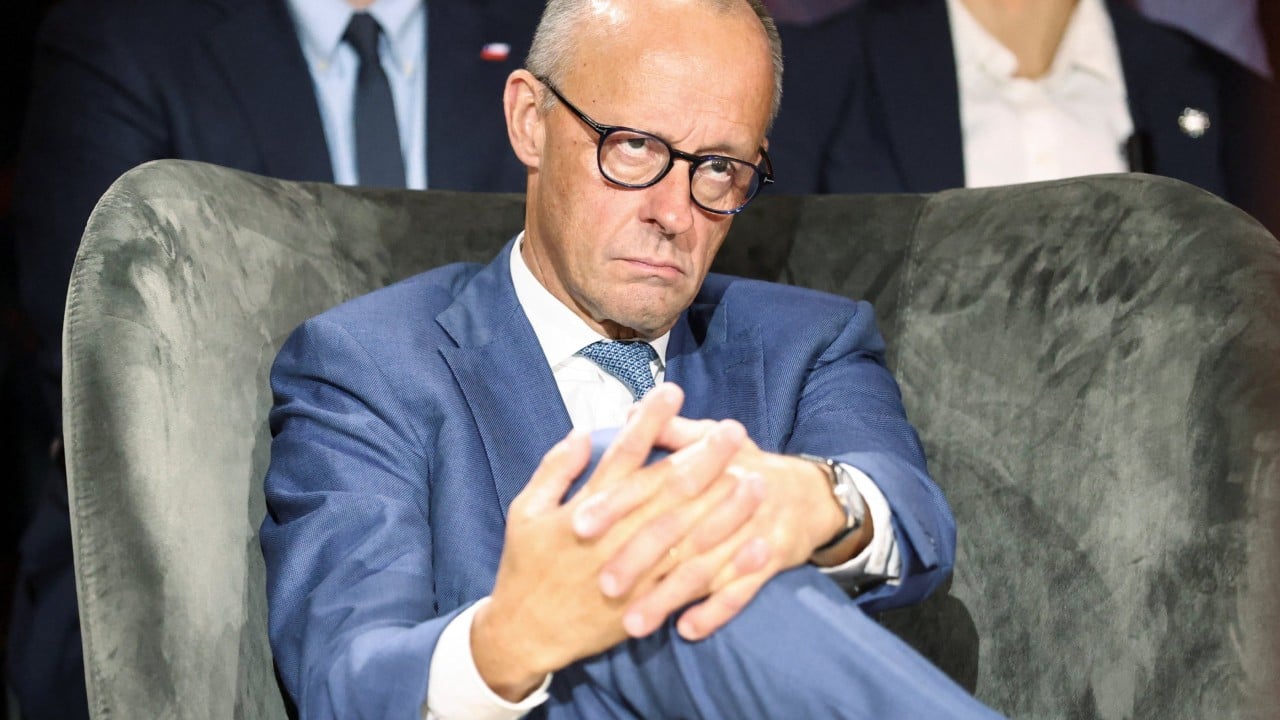
German Chancellor Friedrich Merz just realized he has bigger problems at home than anything happening on the global diplomatic stage. Canceling a high-profile trip to the United Nations General Assembly in New York isn't just a minor schedule change. It’s an emergency response to a rapidly crumbling political standing.
If you are wondering why a sitting German chancellor would skip addressing the world stage, look no further than Berlin's domestic pressure cooker. Merz needed to stay behind because his political survival is hanging by a thread.
The Breaking Point at Home
Merz was scheduled to fly to New York to address the UN and accept the Henry Kissinger Prize from the American Academy in Berlin. Instead, he pulled the plug on the trip. Government insiders confirmed that his presence is strictly required in Berlin.
Why? Because the conservative leader is facing an internal party revolt and crashing approval ratings. The shockwaves hit hard after the September 6 state election in Saxony-Anhalt, where the far-right Alternative for Germany secured a massive 29 percent of the vote. Meanwhile, Merz’s Christian Democratic Union plummeted to a dismal 18 percent.
Public sentiment turned hostile fast. Fresh INSA polling reveals that a staggering 78 percent of the German public no longer believe Merz is the right person to run the country. For a leader only sixteen months into his term, numbers like that spell trouble.
Why State Elections Matter So Much Right Now
Regional votes in Germany often act as a referendum on federal leadership, and the upcoming slate is brutal for the ruling coalition. With more regional showdowns in Berlin and Mecklenburg-Western Pomerania, the political pressure on Merz reached a boiling point.
Voters are frustrated with economic sluggishness, cost-of-living struggles, and a fragmented government. When gasoline prices spiked past €2.27 per liter, citizens pointed fingers straight at the capital. Coalition partners are sniping at each other, and conservative lawmakers are openly questioning whether Merz can lead them through the next legislative cycle.
Political analysts point out that Merz now views an early end to his chancellorship as a realistic outcome if he doesn't stabilize his base immediately. Skipping New York allows him to hunker down with state premiers, manage restless backbenchers, and try to stop the bleeding before Sunday's ballots are cast.
Who Handles Global Duties Instead
Germany won't completely vanish from the international conversation in Manhattan, but the optics have shifted dramatically. Foreign Minister Johann Wadephul will step up to deliver the national address at the UN General Assembly. Wadephul handled the exact same diplomatic duty last year, so he knows the ropes.
Yet, sending a substitute to New York while staying locked in Berlin sends a loud message to international allies and domestic critics alike. Domestic survival trumps global prestige.
What Happens Next
Merz is trying to rally party loyalty and salvage his economic reform agenda before internal opposition fractures his caucus entirely. He plans to face his parliamentary group immediately following the weekend elections, where critical voices are guaranteed to demand accountability.
If the upcoming regional results confirm the trend set in Saxony-Anhalt, expect calls for new leadership to grow deafening. Merz traded a prestigious speech in New York for a desperate fight for political survival in Berlin. The next few days will decide if it was enough.