Voters are heading to the polls under the heavy shadow of high inflation, global conflict, and economic anxiety. When you look at what is driving the expected shift in Congress, you can't ignore how foreign policy and domestic pocketbook issues collide. Gasoline prices at the pump and ongoing military flashpoints have turned standard congressional races into referendums on executive leadership.
The Economy at the Pump Dictates Voter Mood
Inflation remains the single biggest thorn in the side of the ruling party. According to reports covering the electoral landscape, everyday consumers are feeling the pinch of elevated fuel costs, which directly impacts how they cast their ballots. When filling up a tank costs significantly more than it did a year ago, people look for someone to blame. For a different view, see: this related article.
The administration promised to cool down inflation, but energy markets had other plans. Disruptions tied to geopolitical tensions keep crude oil prices volatile. Even when benchmarks like Brent or West Texas Intermediate fluctuate based on last-minute diplomatic signals, the relief rarely reaches local gas stations fast enough to sway frustrated voters before election day.
Foreign Policy Realities Hit Main Street
Foreign conflicts rarely stay contained overseas. The ongoing confrontation involving the U.S. and Iran has sent shockwaves through international shipping lanes and energy markets. Threats to critical corridors like the Strait of Hormuz directly threaten global oil supplies. Similar analysis on this matter has been shared by Al Jazeera.
Voters notice when international posturing turns into supply chain fears. Reports of potential post-election military escalations or shifting diplomatic channels keep energy traders on edge. That anxiety trickles down into higher utility bills and expensive commutes. When households feel insecure about energy stability, they tend to vote for change, fueling momentum for the opposition party in the House and Senate.
Shifting Majorities and Legislative Stakes
All 435 seats in the House of Representatives and a crucial batch of Senate seats are up for grabs. The ruling party holds razor-thin margins, making them extraordinarily vulnerable to any swing in public sentiment.
If historical trends hold true, the party in power usually takes a beating during midterm cycles. Add a stubborn inflation rate driven by energy shocks, and you have a recipe for a legislative flip. Voters want stability, and right now, the global stage looks anything but stable.
Watch the district results closely as the tallies roll in. The outcome won't just redraw the map on Capitol Hill; it will force an immediate recalculation of U.S. foreign and economic policy for the remainder of the presidential term.
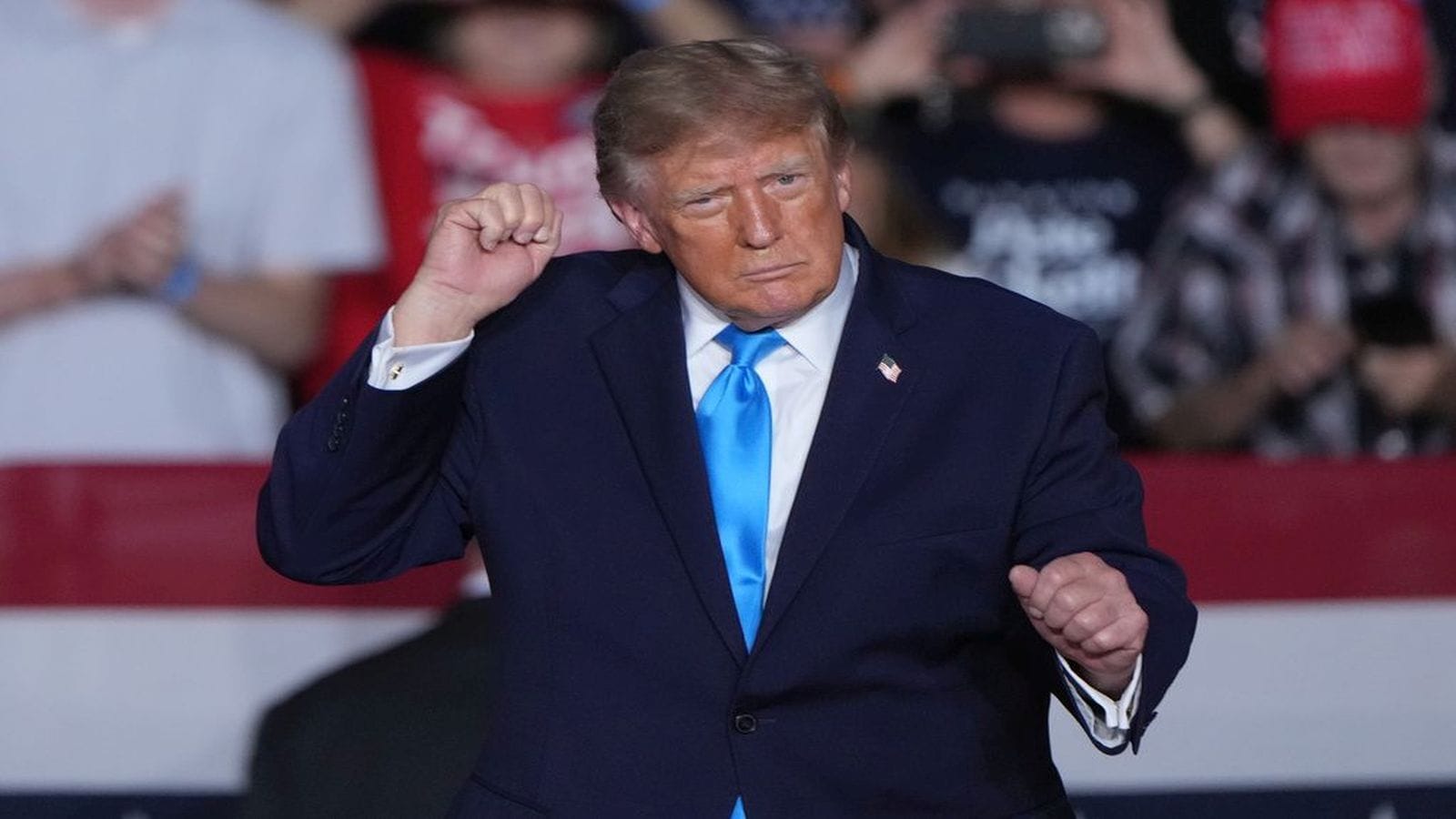
Oil Prices Are Down Because We Are Winning the War With Iran, Says Trump
This video provides context on how political figures are spinning the oil market fluctuations and foreign policy developments right on the eve of the midterm elections.