Donald Trump stood in front of the cameras and did what he does best. He spun a narrative of shadow figures, hidden vulnerabilities, and international plots. This time, the focus was on declassified intelligence and Chinese election meddling. But to anyone paying close attention, the substance of the speech mattered far less than its timing and psychological intent.
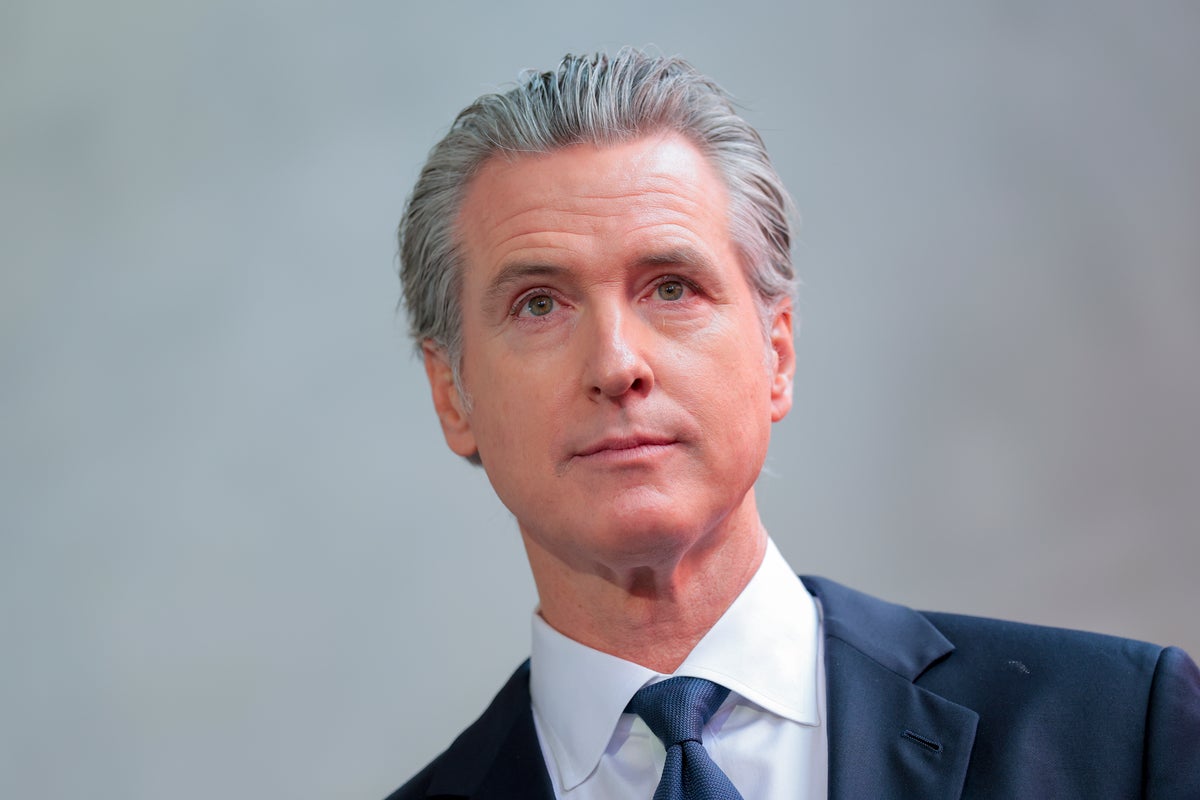
Within minutes of the broadcast ending, California Governor Gavin Newsom cut through the noise with a brutal, viral counter-attack. He called the performance "the ramblings of a mad king". Building on this idea, you can find more in: Why Ehud Barak Fears Israel Is Walking Into A Deadly Lebanon Trap.
Newsom did not just offer a clever soundbite. He highlighted a deliberate political playbook designed to erode confidence in American elections before a single vote is cast in the upcoming cycle. This is not just a war of words between two political heavyweights. It is a preview of the high-stakes messaging battle that will define American democracy over the next few years.
To understand why this clash matters, you have to look past the political theater and analyze the actual strategies both sides are deploying. Observers at NPR have provided expertise on this matter.
The Strategy Behind the Fear
During his address, Trump took a familiar path. He announced the declassification of intelligence that allegedly shows major, unaddressed gaps in our voting systems. He claimed that "deep state" officials hid these threats to protect foreign actors, specifically pointing the finger at China.
This is a classic political maneuver. By framing himself as the ultimate whistleblower, Trump positions himself as the only person willing to tell the public the "ugly truth."
But the real strategy lies in the psychological setup. If you convince your supporters that the game is rigged against you by default, you build a built-in excuse for any future electoral defeat. If you win, you overcame a corrupt system. If you lose, the system stole it from you. It is a win-win scenario for a populist leader. It ensures his base stays angry, motivated, and completely untethered from institutional trust.
The danger here is not just rhetorical. When voters believe their ballots do not matter, they do not stop voting. They stop believing in the peaceful transfer of power. Newsom recognized this immediately and chose to meet fire with fire, refusing to let the claims sit in the news cycle uncontested.
Why Newsom Used the Mad King Label
Gavin Newsom is a master of political branding, and his choice of words was highly deliberate. By calling Trump's speech the "ramblings of a mad king," the California governor pulled off a neat trick. He flipped the script on the strength narrative.
Populist leaders thrive on projecting absolute strength and authority. They want their followers to see them as powerful, decisive protectors. By using terms like "mad king," Newsom paints Trump not as a strongman, but as an unstable, paranoid figure who is rapidly losing his grip. It is an attempt to make the former president look weak and isolated rather than formidable.
Newsom pointed out that the only thing missing from the address was "tinfoil". It is a direct appeal to moderate voters and independents who might be exhausted by years of constant political drama. Newsom's goal is to make Trump's rhetoric look exhausting, outdated, and frankly, ridiculous.
This brand of aggressive pushback represents a massive shift in how Democrats handle right-wing attacks. For years, the party's establishment favored a "when they go low, we go high" approach. Newsom is throwing that old playbook out the window. He knows that in the modern media ecosystem, silence is seen as surrender. You have to punch back hard, fast, and in a way that captures the public's imagination.
The Pre-emptive Playbook for the Upcoming Elections
There is a distinct reason this fight is happening right now. We are heading into critical elections, and both parties are setting their baselines.
Trump is already laying the foundation to contest future election outcomes. By raising the specter of foreign interference and internal sabotage now, he ensures that any negative electoral result can be immediately painted as fraudulent. It is pre-emptive narrative-building.
Newsom explicitly warned about this strategy. He pointed out that Trump knows he faces a tough electoral road ahead, so he is trying to rig the narrative before a single citizen fills out a ballot.
This creates a serious challenge for election officials across the country. They are not just managing the logistics of voting booths and mail-in ballots. They are fighting a constant war of public relations against high-profile figures who actively want the public to doubt the security of the vote.
When a prominent leader tells millions of people that the system is broken, it becomes a self-fulfilling prophecy. Trust is incredibly hard to build but incredibly easy to shatter.
Newsom Is Auditioning for the Future
Do not mistake Newsom's fiery defense of democracy for pure altruism. While he is certainly defending his party and the integrity of the voting system, he is also building his own national profile.
As the governor of California, Newsom has consistently positioned himself as the chief counter-weight to the modern conservative movement. Whether he is debating rivals on national television, buying ad space in red states, or immediately jumping on camera to dismantle a Trump speech, he is showing Democratic voters that he has the stomach for a fight.
Many Democratic voters have expressed frustration with leaders who they feel are too polite or too slow to react to aggressive Republican messaging. Newsom represents the antidote to that frustration. He is willing to go on the attack, use sharp language, and dominate a news cycle.
By leading the scornful Democratic reaction to Trump, Newsom establishes himself as the party's premier defender. He is signaling to donors, activists, and everyday voters that when the time comes for a national fight, he is ready to lead the charge.
Spotting the Signs of Electoral Gaslighting
As voters, we are bombarded with claims about election security from all sides. It is easy to feel overwhelmed and cynical. But you can protect yourself from political manipulation by learning how to spot the signs of electoral gaslighting.
First, look for vague allegations that lack specific, verifiable evidence. When a politician claims that a system is compromised but fails to provide clear, audited proof that can be examined by independent third parties, you should be highly skeptical.
Second, pay attention to the timing. If warnings about election integrity only seem to appear when a candidate is falling in the polls or facing a tough political battle, the motivation is almost certainly strategic rather than patriotic.
Finally, notice if the speaker offers any constructive solutions. True advocates for secure voting systems focus on funding, updated technology, and bipartisan oversight. They do not just scream that the building is on fire while blocking the exit. They offer tangible ways to make the system better.
How to Protect Your Own Trust in the System
It is easy to watch this back-and-forth and decide that the whole thing is a mess not worth your time. That is exactly what the people trying to undermine our systems want you to do. They want you to tune out.
Instead of letting the political theater exhaust you, take control of your own civic participation.
Get involved in your local election process. Volunteer as a poll worker. When you see how the sausage is actually made, you realize how incredibly difficult it is to pull off the kind of massive, coordinated election fraud that politicians love to talk about. You will see the strict chain-of-custody rules, the bipartisan teams of citizens managing the ballots, and the paper trails that back up the digital tallies.
Verify your voter registration early. Do not wait until the week before an election to make sure your paperwork is in order.
Most importantly, consume your news mindfully. Avoid hyper-partisan outlets that rely on outrage and fear to generate clicks. Look for local reporting, non-partisan fact-checkers, and official statements from election administrators of both political parties.
The battle for the future of American democracy is not just happening in television studios or on social media feeds. It is happening in our communities. By staying informed, staying active, and refusing to give in to cynicism, you can ensure that the "mad kings" of politics do not get to decide the future of our country.