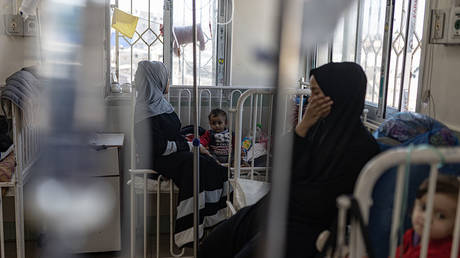
Over two hundred and seventy meningitis cases showed up in Gaza in a single month. That number is more than eight times the usual baseline of 30 to 50 cases.
When Gaza's Health Ministry declared a formal epidemic alert on November 24, 2026, it wasn't sounding a routine alarm. Health officials warned that infections—hitting both viral and bacterial forms—are surging right as winter rains flood damaged sewage lines and crowded displacement tents. Most alarming of all, infants under one year old make up roughly seven in ten cases reported since October.
If you're looking at this news and wondering how a local spike turns into a wider public health emergency, the answer comes down to a brutal mix of biology and broken infrastructure. Meningitis inflames the protective membranes around the brain and spinal cord. In adults, early symptoms like stiff neck, high fever, and severe headache can sometimes be caught before things spiral. In babies, those classic signs often don't show up clearly. A tiny infant might just seem unusually lethargic, refuse to feed, run a fever, or cry inconsolably. By the time a family gets to a clinic with limited lab gear and scarce antibiotics, hours have already slipped away.
What Driven the Gaza Meningitis Alert in Late 2026
Public health crises rarely happen in a vacuum. According to reporting from The Guardian and UN briefings covered by Middle East Monitor, Gaza recorded 272 meningitis cases in October 2026 alone, alongside at least 15 meningitis-related deaths across the year so far. The World Health Organization noted more than 533 cases and four deaths in its late-November update, while pointing out that suspected viral cases had jumped nearly fourfold compared with the same stretch in 2025 and suspected bacterial cases had risen more than fourfold.
Honestly, those numbers tell only half the story. The other half is what happens when basic water and sanitation systems fail at scale.
- Contaminated water and sewage overflow: Enteroviruses, which have been linked to viral meningitis findings in Gaza, spread easily through fecally contaminated water and poor hygiene. When winter rain hits ground saturated with raw sewage and damaged pipes, pathogens move fast.
- Extreme crowding in shelters: Roughly three-quarters of recorded patients are displaced people living in tight quarters. Close contact in tents or makeshift shelters lets respiratory and fecal-oral germs jump from person to person with almost no friction.
- Diagnostic bottlenecks: Doctors need rapid, reliable lab testing to tell viral meningitis apart from bacterial meningitis. When lab supplies are tight, clinicians face tough judgment calls under intense pressure.
Bacterial meningitis is a true medical emergency. Even with modern hospital care, it can turn life-threatening within hours, which is why lab delays and antibiotic shortages hit communities so hard.
Viral Versus Bacterial Meningitis Under Strain
People often lump all meningitis together because the name sounds singular. Medically, the difference between viral and bacterial meningitis changes everything about treatment and urgency.
Viral meningitis is often caused by enteroviruses. Many healthy older children and adults recover with supportive care, though infants and immunocompromised people face higher risks. Bacterial meningitis, by contrast, requires immediate targeted antibiotics. Delaying treatment increases the risk of permanent hearing loss, neurological damage, or death.
In a well-resourced hospital, a lumbar puncture and laboratory panels help narrow down the cause quickly. In an environment with constrained laboratory capacity, health workers have to treat suspected bacterial cases aggressively while waiting on answers—a practical reality that stretches thin medical supplies even further.
Why Infants Bear the Brunt of This Outbreak
Look closely at the age breakdown from late 2026 and one pattern jumps off the page. Infants under age one account for around 71% of cases since October, with newborns alone representing 13%.
Why babies? Two reasons stand out. First, an infant's immune system is still maturing, and maternal antibodies don't shield them against every circulating pathogen. Second, babies depend completely on caregivers for clean water, sanitized bottles or surfaces, and safe shelter. When clean water is scarce or mixed with wastewater, a baby's vulnerability multiplies overnight.
There's also a common misconception worth clearing up. Many people hear "meningitis" and immediately picture a sudden wave of Neisseria meningitidis spreading only through coughs and sneezes like a cold. While meningococcal bacteria are a well-known cause of bacterial meningitis, outbreaks in disrupted water and sanitation settings frequently involve waterborne or hygiene-linked pathogens alongside bacterial infections. Mixing up the transmission route leads to sloppy prevention habits—like focusing only on air when contaminated water and unwashed hands are doing heavy lifting.
What Public Health Experts Watch Next
When an epidemic alert goes out in late November, epidemiologists don't just count yesterday's cases. They look at what comes next over the winter months.
Cold, wet weather pushes families indoors or deeper into cramped shelters. Drainage failures turn puddles into exposure hazards. Meanwhile, health agencies like the World Health Organization and UNICEF have pressed for laboratory equipment, antibiotics, and isolation capacity to slow transmission and prevent avoidable deaths.
From an outbreak-control standpoint, three things matter most right now:
- Faster lab confirmation: Expanding testing capacity helps separate viral clusters from bacterial emergencies so antibiotics go where they save lives.
- Clean water and hygiene at the household level: Safe drinking water, soap, and safe waste management break fecal-oral transmission chains faster than almost any single clinic intervention.
- Early infant triage: Training frontline workers and families to spot subtle warning signs in babies—like unusual drowsiness, poor feeding, irritability, or high fever—cuts deadly delays.
If you're tracking this outbreak for work, research, or humanitarian support, start by checking primary updates from the World Health Organization and UN humanitarian sitreps rather than relying on recycled social media claims. For families or health workers in affected areas, prioritize clean water for infant feeding, strict handwashing after any contact with floodwater or waste, and immediate medical evaluation for any baby showing fever, lethargy, or refusal to feed.