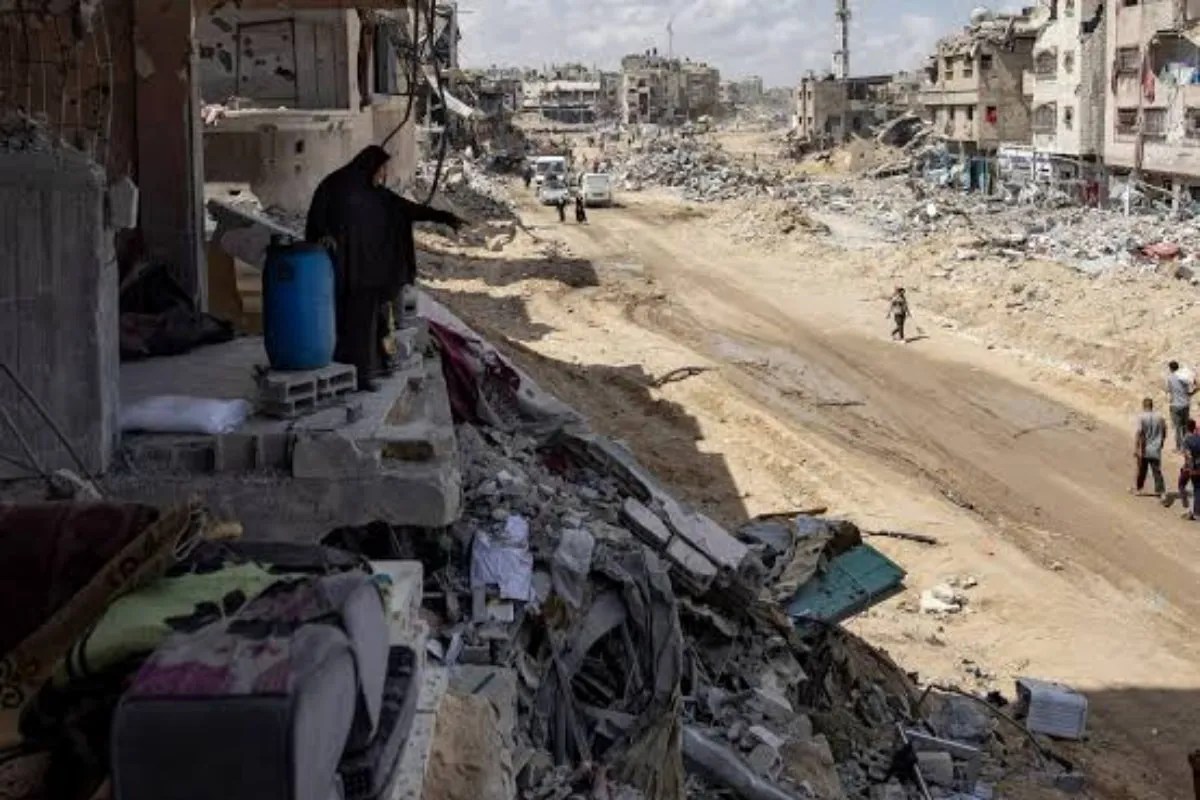
Hospitals are dark. Monitors are dead. Doctors are watching patients slip away because there is simply no fuel left to keep the generators running.
If you think you know the scale of the humanitarian disaster unfolding inside Gaza right now, you probably don't. The international community loves to issue statements of deep concern, but the reality on the ground is far more brutal. Gaza's health system isn't just struggling—it's actively collapsing under a suffocating combination of fuel blockages, severe medicine shortages, and relentless military blockades. Recently making waves recently: Why Romanian Border Towns Are Living In Constant Terror Of Stray Drones.
Let's talk about what is actually happening behind the sanitized headlines.
The Fuel Crisis And Dying Generators
Power is life in modern medicine. Without electricity, ventilators stop pumping, dialysis machines turn off, and surgical theaters plunge into pitch darkness. More insights regarding the matter are covered by USA.gov.
The health ministry in Gaza has repeatedly sounded the alarm bells, pointing out a terrifying statistic: over 70 percent of backup generators are completely out of commission. Why? Because the fuel supply lines have been choked off. What little fuel manages to trickle through security checkpoints is a drop in the ocean. It doesn't even cover the bare minimum daily operations for emergency rooms and intensive care units.
When hospitals rely on dying generators, doctors are forced to make impossible choices. Do you cut power to the neonatal ward to keep the operating theater lit? Do you let the oxygen machines shut down to save diesel for emergency trauma surgery? These aren't hypothetical ethical dilemmas from a textbook. They are daily realities for overworked medical staff who haven't slept properly in months.
Doctors Trapped Outside The Wards
A hospital is only as good as the people working inside it. Yet, the physical blockade is actively keeping medical professionals away from their patients.
Because of strict restrictions on spare parts, tires, and basic automotive supplies, public transport has practically vanished. Hundreds of doctors, nurses, and specialized medical technicians find themselves stranded miles away from their assigned facilities. Walking hours across dangerous zones is the only option left, and many simply cannot make the journey.
This creates a ghost town effect inside massive medical complexes. Beds are overflowing with trauma victims, but the wards lack the specialized hands needed to treat them. Diagnostic equipment sits broken, untouched because replacement parts are blocked at the borders.
The Myth Of Humanitarian Aid
Governments love to boast about humanitarian aid convoys. They hold press conferences, talk about trucks rolling across borders, and pat themselves on the back.
Gaza's health ministry calls out these claims as dangerous exaggerations. The actual volume of medical supplies entering the enclave is a fraction of what is required. Basic antibiotics, painkillers, surgical gauze, and specialized cancer treatments are virtually non-existent.
More critically, patients who require advanced surgeries or specialized cancer care outside of Gaza are trapped. The border crossings remain heavily restricted or entirely closed for medical evacuations, sealing a slow fate for hundreds of critically ill individuals.
What Happens Next
The silence from global bodies like the United Nations Security Council and the World Health Organization feels deafening to those living through the crisis. Statements of regret don't power generators. Resolutions don't replace surgical steel.
Without an immediate, unconditional lifting of the blockades and a steady, uninterrupted flow of fuel and medical cargo, the remaining hospitals will go completely dark. Every minute of hesitation costs real lives. The healthcare infrastructure is hanging by a single thread, and that thread is about to snap.