Clean energy has a massive blind spot. Most policy discussions treat decarbonization as a pure game of technology, solar panel efficiency, and financial investments. They miss the people completely. When India and Germany met in New Delhi for their latest climate talks, the conversation shifted toward a reality that carbon models regularly ignore: a gender-responsive energy transition isn't a side project for social equality. It's a hard economic necessity.
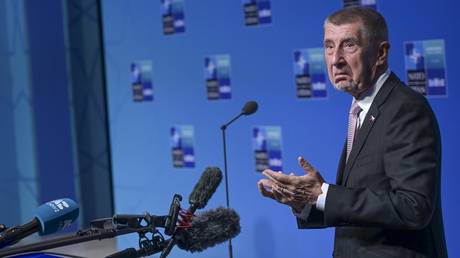
If you think bringing women into the renewable sector is just about filling quotas, you're missing the bigger picture. Right now, women make up less than 15% of the clean energy workforce in India. Leaving half the population out of the fastest-growing sector of the economy is a financial disaster. German Ambassador Philipp Ackermann cut straight to the point during the talks, arguing that equal access to resources and leadership opens up entirely new markets and drives deep innovation.
Moving Beyond Carbon and Solar Panels
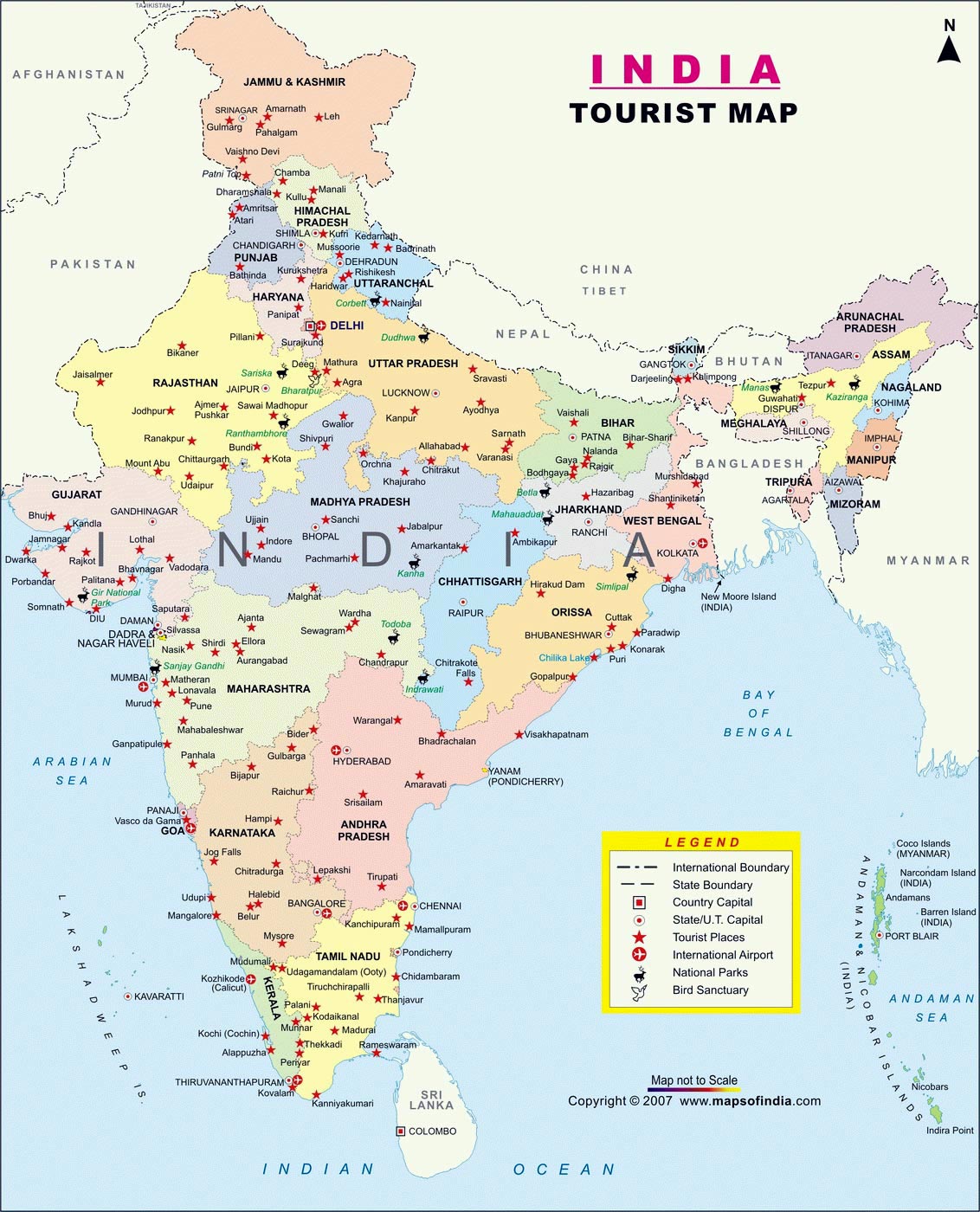
The latest India-Germany Climate Talks marked the launch of a critical book, Powering the Future: Women at the Heart of India's Energy Transition, written by climate researcher Neha Saigal and published by Heinrich Böll Stiftung. This text isn't a collection of vague academic theories. It documents real, ground-level experiences from Odisha, Punjab, Jharkhand, Maharashtra, and Tamil Nadu.
The findings show that women are already driving local clean energy solutions, even without institutional backing. They act as local entrepreneurs, public health advocates, and clean mobility leaders. Yet, conventional planning still treats them as passive users of power rather than active creators of it.
We need to stop viewing clean energy through a narrow technical lens. A real shift requires a focus on livelihoods. In regions dominated by fossil fuels, changing the energy mix without changing who controls the capital just copies old inequalities into a green format.
The Real Numbers From the Grassroots
Look at the states where this change is unfolding. In rural Maharashtra and Odisha, decentralized solar projects succeed when local women run the operations. Why? Because they understand the community's daily energy needs better than distant planners.
In Punjab, the connection between public health, clean transport, and clean air has become a major flashpoint. Amrita Rana from Clean Air Punjab highlighted during the panel how women's leadership in community transport directly accelerates the adoption of cleaner vehicles. When women lead, the solutions stick.
The economic potential here is massive. India aims for 500 gigawatts of non-fossil fuel capacity by 2030. That target will create millions of new jobs. If the sector maintains its current male-dominated structure, it will face severe labor shortages and miss out on local market insights.
Actionable Steps to Shift the System
Talk is cheap. High-level bilateral discussions look good on paper, but turning a gender-responsive energy transition into reality requires concrete structural adjustments.
Mandate Gender Disaggregated Data Collection
You can't fix what you don't measure. State energy departments and private clean energy firms must track exactly where women are employed. Are they only in low-wage administrative roles, or are they designing grids and running companies? Clear data forces accountability.
Reform Clean Energy Financing
Women entrepreneurs face massive hurdles when trying to secure capital for green startups. Banks and climate funds need to create dedicated lending lines for women-led clean energy enterprises. Financial inclusion must precede technological deployment.
Build Targeted Technical Training Tracks
We must set up specialized vocational programs in solar engineering, electric vehicle maintenance, and grid management specifically for women in tier-2 and tier-3 cities. Moving past the 15% workforce barrier requires building a direct pipeline from schools to clean energy production lines.
The Indo-German Green and Sustainable Development Partnership provides a solid framework for these changes. Capital and technology from international partnerships should flow directly into funding local, women-led energy cooperatives rather than just massive corporate installations. True energy independence requires a system where everyone has a seat at the decision-making table.