The military is burning through expensive drones faster than factories can replace them. Decades of relying on the MQ-9 Reaper worked fine when airspaces were uncontested, but recent conflicts in the Middle East changed the math. Reapers get shot down, they cost a fortune, and production lines are closed.
General Atomics looked at this problem and decided to build something entirely new. They call it the Wildfire. It's a clean-sheet medium-altitude, long-endurance unmanned aircraft system designed from day one to handle high-risk environments where taking heavy losses is expected.
What the Wildfire Drone Actually Brings to the Table
General Atomics didn't just tweak an old airframe. They designed the Wildfire to meet the Defense Innovation Unit's Massed Modular Aircraft program demands, aiming directly at what modern warfare requires:
- A massive 10,000-nautical-mile ferry range (with some internal metrics stretching toward an 11,500-mile capability context).
- The payload capacity to haul up to four AGM-158C long-range anti-ship missiles.
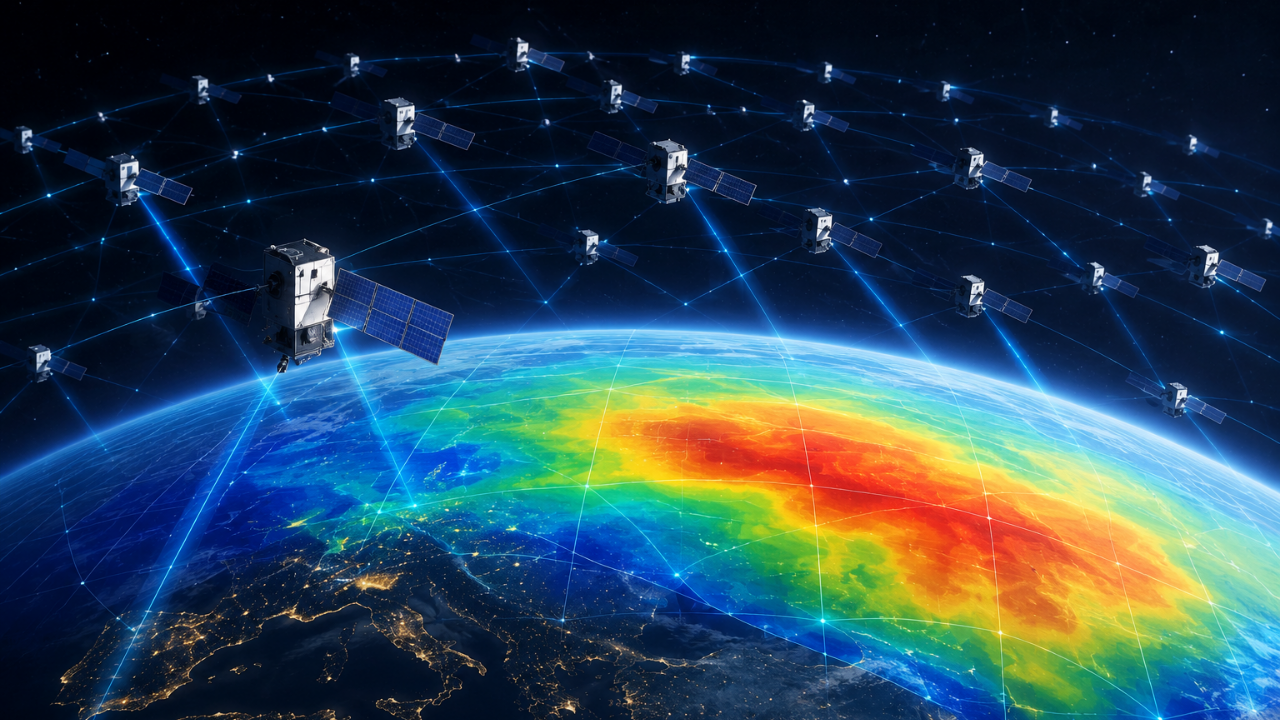
- Semi-autonomous swarming capabilities allowing up to 100 aircraft to operate together.
- A target unit cost kept under 30 million dollars, making it much more palatable to lose in combat.
When company spokesmen talk about the project, they skip the corporate buzzwords. They built an aircraft designed to carry at least 2,800 pounds of munitions and sensors while flying an unrefueled combat radius of 2,300 nautical miles.
Why the Pentagon Needs a Reaper Successor Now
The MQ-9 Reaper is a legend, but legends don't survive modern peer-level air defense networks. Fleet numbers dropped significantly following intense engagements against the Houthis in Yemen and during the conflict with Iran. Because the Reaper is out of production, the Air Force cannot simply order more units to plug the gaps.
The military needs attrition-tolerant assets. They need drones cheap enough to risk over heavily defended waters, yet lethal enough to sink capital ships. Carrying four long-range anti-ship missiles gives a single Wildfire structural weight and punch that rivals manned strike fighters, but without risking a pilot's life.
The Logistics of Low-Cost Mass
Building a cheap drone sounds easy on paper. Doing it while maintaining a 10,000-mile ferry range and heavy missile carriage is a different engineering nightmare. General Atomics relies on a Modular Open Systems Approach, meaning parts can be swapped quickly, upgrades don't require redesigning the whole wing, and software updates can flow out to whole swarms at once.
If you're wondering how this affects future naval strategy, look at the Pacific. Operating thousands of miles away from friendly runways requires incredible range. A drone that can self-deploy thousands of miles, link up with a hundred other airframes, and carry anti-ship ordnance completely alters how a strike group manages maritime denial.
Initial operating capability is targeted for fiscal year 2031. Until then, expect defense contractors to fight aggressively for the contract, because the era of the single, irreplaceable drone is officially over.