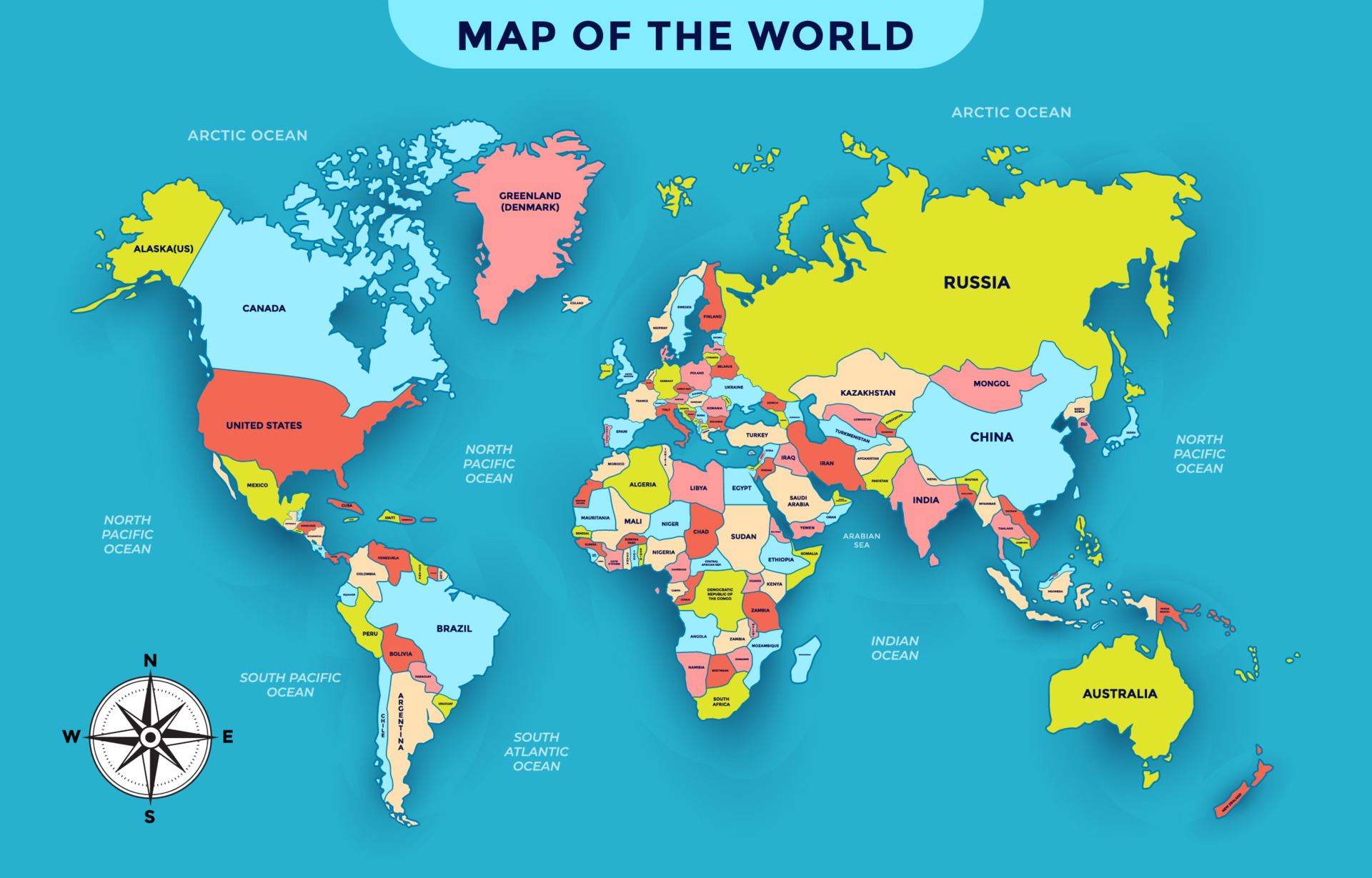
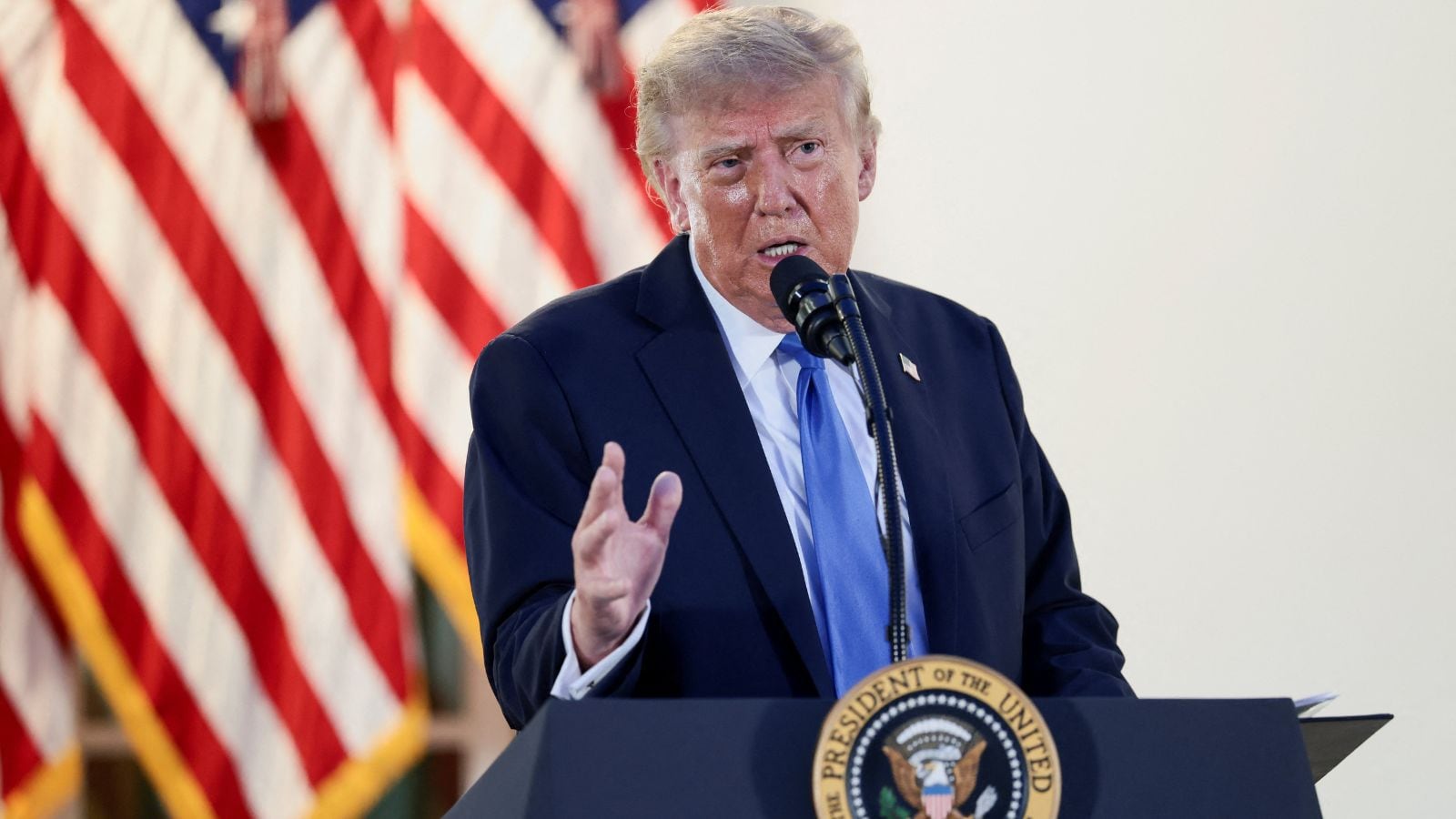
The political tectonic plates shifted in Germany on September 6, 2026. With the Alternative for Germany securing a major electoral victory in Saxe-Anhalt, the shockwaves didn't stop at the border. They hit Paris almost instantly. When the traditional political firewall cracks in Berlin, it changes the entire European conversation.
For years, French political analysts loved to reassure themselves. They argued that France had its own distinct political path, insulated from the populist surges shaking eastern Germany or other parts of Central Europe. That comfort zone is gone.
The French Europhobia Trap
Europhobia in France isn't a new phenomenon. It's been bubbling beneath the surface for decades, feeding on economic anxiety, institutional fatigue, and a deep-seated disconnect between Brussels technocrats and everyday citizens. But it usually wrapped itself in polite diplomatic language.
Now, the German shift removes the last remaining psychological barrier. When Europe’s economic powerhouse sees mainstream political norms shatter, local populist movements feel emboldened. They no longer look like fringe agitators. They look like part of a continental wave.
You can already see the rhetoric shifting on French television sets and digital platforms. The narrative is simple: if Germany can question its traditional alignment, why shouldn't France accelerate its own nationalist turn?
The Franco-German Engine Stalls
The real danger goes beyond domestic elections. The entire architecture of the European Union relies on the Franco-German tandem. When Berlin stumbles politically, or when its internal consensus fractures over immigration, energy policy, and European integration, Paris loses its primary counterweight.
Brussels depends on stability in both capitals. With the AfD capturing significant momentum, German foreign policy is bound to turn inward. That leaves France isolated, forced to navigate a turbulent global landscape without its closest partner pulling in the same direction.
What Comes Next for European Politics
Ignoring this seismic shift won't make it disappear. Mainstream parties across Europe keep offering the same tired responses to complex grievances. They lecture voters instead of listening to them. They pretend that economic stagnation and social fractures are temporary blips rather than systemic structural crises.
If political leaders want to stop the bleeding, they need to address the root causes of voter alienation. They need to prove that European institutions can actually deliver security, prosperity, and accountability. Otherwise, the German wave will become a permanent tide.
Stop pretending everything is fine. The European project is facing its most critical stress test yet, and the clock is ticking.