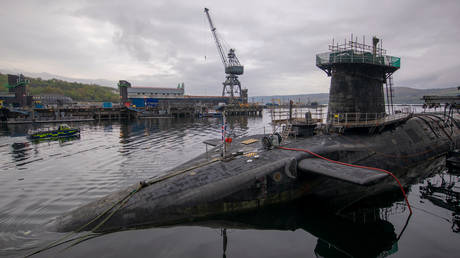
European defense strategy is experiencing a massive panic attack. Berlin is actively exploring financial and conventional military support for the British nuclear deterrent, moving past decades of strict domestic taboos. If you think this sounds wild, you aren't paying attention to the shifting tectonic plates of transatlantic politics.
The American Reliability Crisis
Behind closed doors, continental politicians are sweating. A German diplomatic source summed up the current mood quite bluntly: policymakers wake up every morning wondering what Washington will do next. With renewed pressure from Donald Trump regarding NATO burden-sharing and threats to pull back American security guarantees, European capitals realize they are standing on thin ice.
Relying indefinitely on the United States nuclear umbrella is no longer viewed as a safe bet. Instead of building an independent German atomic arsenal—which would shatter regional stability and violate the Nuclear Non-Proliferation Treaty—Berlin wants to piggyback on existing European deterrents.
Discussions involve London, Paris, and Berlin. Germany has a clear motivation: keeping the Russian threat at bay without sparking a domestic arms race.
What Berlin Actually Wants to Pay For
Let's clear up a major misconception. Germany isn't buying launch codes. Nobody in Whitehall is handing Berlin a red button, and the UK's independent command structure remains untouched.
Instead, the proposals focus on practical, heavy-duty burden-sharing:
- Financial Subsidies: Direct monetary contributions to offset the staggering costs of maintaining Britain's ageing Vanguard-class submarines and future Trident infrastructure.
- Conventional Protection: Deploying German-operated Patriot air defence systems directly to HMNB Clyde in Faslane, Scotland, safeguarding the home of the UK submarine fleet.
- Industrial Workshare: Exploring whether German engineering firms can assist with missile and submarine maintenance, though British defense officials remain deeply skeptical about whether Berlin has the specialist know-how for this.
The Hurdles Ahead
Honesty is required here: this plan faces massive operational roadblocks. British defense insiders have already questioned the feasibility of deep industrial collaboration. Building nuclear submarines requires decades of specialized, highly classified expertise that cannot simply be outsourced over a weekend spreadsheet.
Furthermore, domestic politics in the UK complicate things. Inviting a foreign military power to deploy air defense batteries onto a sovereign Scottish naval base will face fierce parliamentary and local scrutiny.
Yet, the sheer fact that these conversations are happening at all signals a profound historical shift. Europe is finally waking up to the reality that its security cannot be rented from Washington forever. Expect these funding talks to accelerate as defense budgets swell and geopolitical anxiety deepens across the continent.