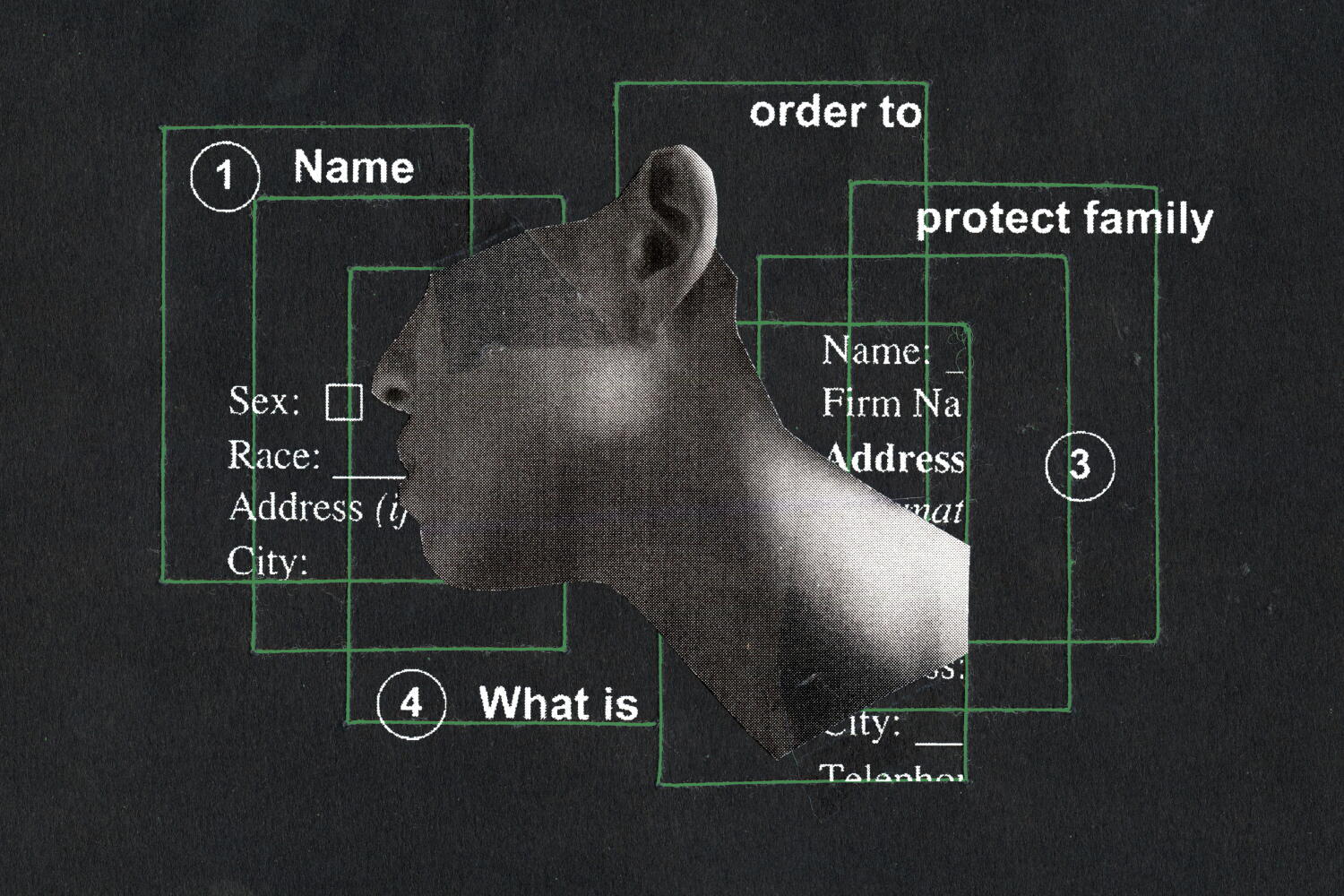
If you walk into a Los Angeles County courthouse seeking protection from an abusive partner or a stalker, the odds are heavily stacked against you. Recent data analysis reveals a staggering reality: only about 1 in 5 requested restraining orders actually get granted.
Think about that math. Four out of five people who step forward, detail their trauma on paper, and ask the legal system for help walk away without the protection they need.
The system isn't just failing on paper. It's actively breaking down at every single step, leaving survivors exposed to continuous danger.
The Gauntlet of Court Bureaucracy
Navigating the L.A. County court system requires an immense amount of emotional and mental stamina. You have to fill out complex legal forms correctly, detail dates and incidents of abuse under pressure, and understand strict procedural rules without a lawyer. Most people filing for these orders cannot afford private counsel.
When you drop your application into the system, the drop-out points multiply. Many petitions get dismissed simply because of clerical errors or minor procedural mistakes on the paperwork.
Instead of treating these applications as urgent safety requests, the courts often process them like bureaucratic paperwork. If you miss a nuance or misfile a form, your case stalls or gets thrown out.
Why Only 1 in 5 Make It Across the Finish Line
Getting a temporary restraining order is hard enough, but turning it into a permanent order is an entirely different mountain to climb. The respondent has a right to show up, contest the claims, and drag out the process.
Judges look for precise, legally defined evidence of abuse or harassment. Text messages, photos, and police reports matter immensely. But abusers often use psychological tactics that leave few physical traces, making standard evidentiary burdens nearly impossible for a traumatized survivor to meet on their own.
When you look at cases like that of Nora Villanueva Campanor—who secured a restraining order yet still lost her life to her ex-partner—the structural failures become glaringly obvious. A piece of paper means nothing if the underlying legal framework and enforcement mechanisms are fractured.
The Enforcement Void
Winning the legal battle in court is only half the fight. Once an order is granted, law enforcement agencies are supposed to serve and enforce them. In reality, tracking down an evasive abuser to serve paperwork often falls back onto the petitioner, or gets bogged down by overwhelmed police departments.
Arrest numbers for restraining order violations remain shockingly low compared to the actual volume of reported breaches. Local police forces struggle with staffing, and domestic violence calls frequently get deprioritized until physical violence erupts again.
If you are currently navigating this broken system, you need to know what actually works.
- Document everything immediately. Save every threatening text, voicemail, and email in a secure cloud folder that the abuser cannot access.
- Request help from local domestic violence advocacy groups who provide free legal aid and can help you complete paperwork correctly.
- Do not rely solely on the court paperwork for physical safety; keep a strict safety plan ready, including emergency contacts and packed essentials if you need to leave your home quickly.
The numbers don't lie. L.A. County's restraining order system treats protection as a privilege for those who can navigate a hostile legal maze, rather than an emergency right for survivors.


