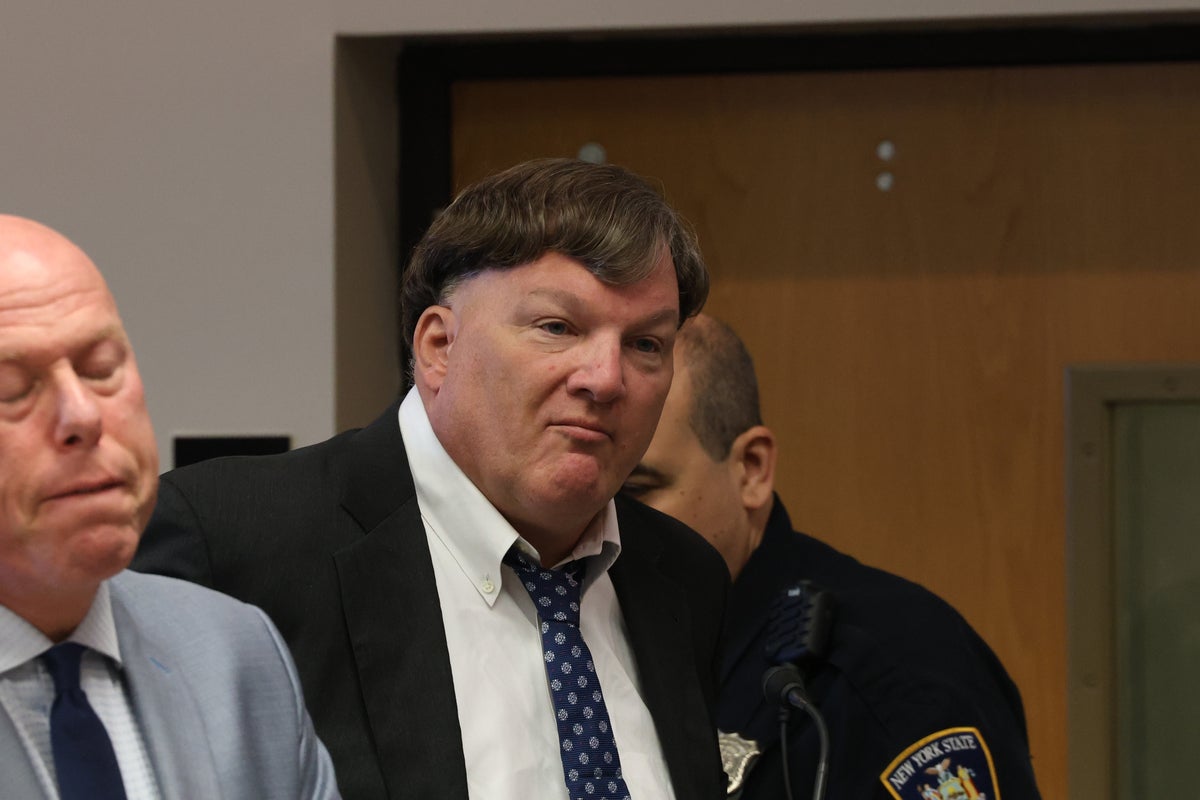
Rex Heuermann will spend the rest of his life behind bars without the possibility of parole. The 63-year-old Manhattan architect finally admitted to a horrifying string of decades-old murders on Long Island. For the families of the victims, the formal sentencing on June 17, 2026, brought a heavy, agonizing version of closure. But if you think this puts a neat bow on the Long Island Serial Killer saga, you're missing the bigger picture.
The courtroom in Riverhead, New York, erupted in cheers and applause when Judge Timothy Mazzei handed down the maximum possible sentence. He called Heuermann a "disgusting and small man." Yet, the systemic failures, missed clues, and overlooked victims that allowed this "ogre-like" figure to hunt vulnerable women for nearly twenty years still cast a massive shadow over law enforcement.
Understanding this case requires looking past the shocking true-crime headlines. The real story centers on how a family man manipulated the margins of society, why he got away with it for so long, and what happens next.
The Secret Blueprint of an Urban Monster
Heuermann wasn't just a quiet neighbor who kept to himself. He was a highly successful, practicing Manhattan architect. He lived in a rundown home in Massapequa Park with his family, commuting regularly into the heart of New York City. That contrast is exactly how he hid in plain sight.
When investigators finally raided his life, they found what prosecutors described as a digital "blueprint" used to plan out his kills. This wasn't a crime of passion. It was meticulous, industrialized slaughter. He utilized a complex web of burner phones, fake online identities, and specialized knowledge of technological blind spots to lure his victims.
Heuermann targeted young sex workers. He knew society's biases meant their disappearances wouldn't always trigger immediate, aggressive police mobilization. He picked them up from the Tri-State area, brought them into situations of absolute control, and then systematically disposed of their bodies in the dense, sandy scrub along Ocean Parkway near Gilgo Beach.
The Eight Women He Finally Admitted to Killing
For years, the public knew this case through the tragic moniker of the "Gilgo Four." But Heuermann's horror network extended much further back than anyone initially realized, stretching from 1993 to 2010.
As part of his unexpected guilty plea, Heuermann confessed to killing seven women he was formally charged with, alongside an eighth uncharged victim. The victims include:
- Melissa Barthelemy (24): Disappeared in 2009. Heuermann used her own phone to make cruel, taunting calls to her 15-year-old sister after her death.
- Maureen Brainard-Barnes (25): A mother from Connecticut who went missing in 2007.
- Megan Waterman (22): A young mother from Maine who vanished from a Long Island holiday inn in 2010.
- Amber Lynn Costello (27): A North Carolina native whose roommate provided a vital clue that sat in police files for over a decade.
- Jessica Taylor (20): Part of her dismembered remains were found in Manorville in 2003; the rest were discovered at Gilgo Beach in 2011.
- Valerie Mack (24): Her remains were similarly scattered between Manorville and Oak Beach, left unidentified for years.
- Sandra Costilla (28): Murdered in 1993, her body was left in a wooded area in the North Sea, proving his violence started much earlier than the 2000s.
- Karen Vergata (34): Disappeared in 1996. Her remains were found on Fire Island and west of Gilgo Beach. Heuermann admitted to her murder as part of his 2026 plea deal.
How a Discarded Pizza Crust Cracked a Cold Case
The most frustrating element of this entire investigation is that police had a description of Heuermann as early as 2010. A roommate of Amber Lynn Costello described a massive, "ogre-like" man driving a distinctive first-generation green Chevrolet Avalanche pickup truck. That tip sat unvetted in a file cabinet for twelve years.
It wasn't until a newly formed Gilgo Beach Task Force revisited the raw files in 2022 that investigators matched that vehicle registration to Heuermann. From there, the digital footprint collapsed on him. Cell phone billing records showed his personal device moving in perfect synchronization with the burner phones used to contact the victims.
The final nail in the coffin was advanced DNA technology. Surveillance teams watched Heuermann discard a pizza box into a trash can outside his Fifth Avenue office in Manhattan. Crime lab analysts cross-referenced mitochondrial DNA from a leftover pizza crust against a hair found on the burlap sack used to bind Megan Waterman. It was a match.
The Unanswered Questions and the FBI Deal
While Heuermann is going away forever, the investigation is far from over. As part of his plea agreement, he agreed to cooperate directly with the FBI’s Behavioral Analysis Unit.
Why would a serial killer talk? Because it helps him control his narrative, and it shields him from facing further charges regarding other unidentified remains found in the area. Authorities openly admit they believe Heuermann may be linked to even more unsolved homicides across the Northeast.
There's also the chilling domestic aspect. His ex-wife, Asa Ellerup, recently revealed she sleeps in the very basement where prosecutors allege the torture and killings occurred. She stayed away from the sentencing out of respect for the victims, but the psychological wreckage left in Heuermann’s wake will take a lifetime to unpack.
What to Do Next
The legal battle against Rex Heuermann is finished, but the broader conversation regarding the safety of vulnerable populations and law enforcement accountability is ongoing.
If you want to understand the deeper structural issues highlighted by this case, look into the investigative journalism surrounding the initial Suffolk County Police Department failures. Organizations like the National Center for Missing & Exploited Children offer resources on how systemic biases impact missing person investigations. Support local advocacy groups that provide safety networks and legal protections for active sex workers, ensuring that no one can be targeted in the shadows again.