Italy usually chews up politicians and spits them out before they can unpack their suitcases. For decades, the country cycling through cabinets like a revolving door became a running joke in European politics. Governments lasted an average of roughly a year. Then came Giorgia Meloni.
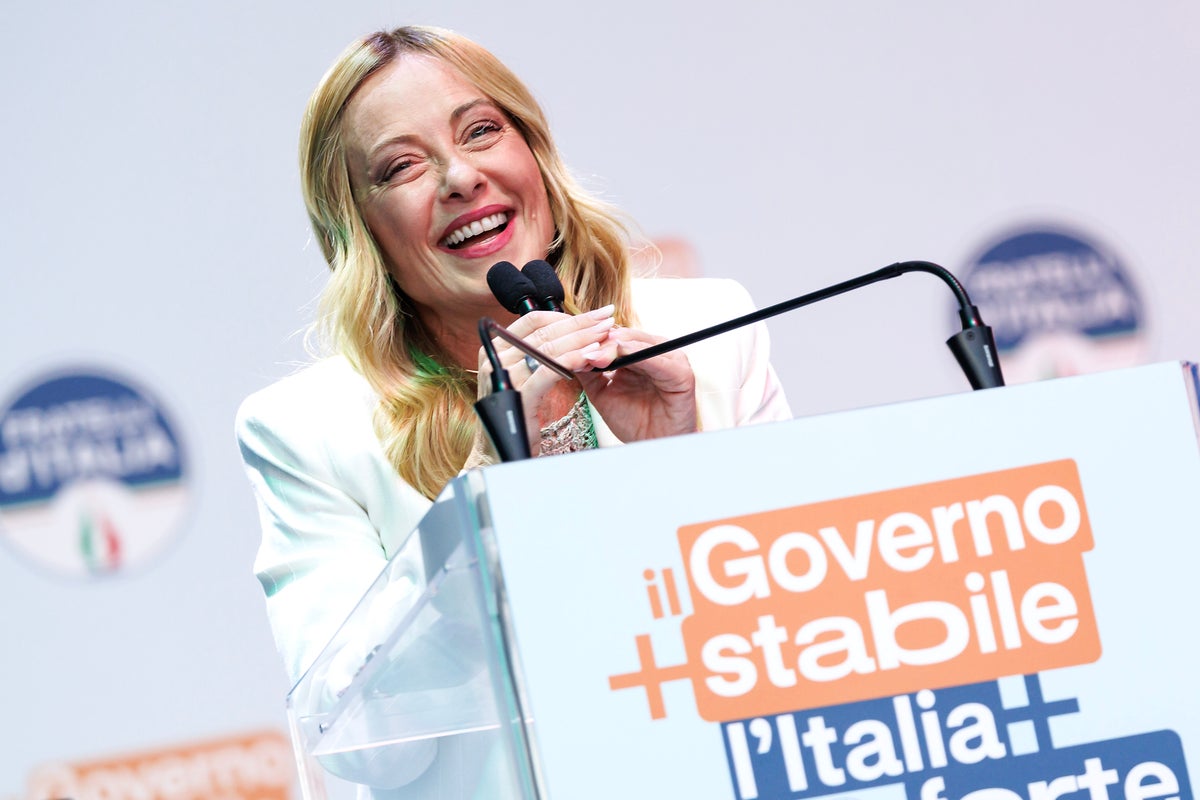
Standing in the southern port city of Bari, Italy's prime minister celebrated a milestone that once felt completely impossible in Rome. Her administration crossed 1,414 consecutive days in power. That officially beats the longevity record previously held by Silvio Berlusconi's second government from two decades ago.
Critics hate to admit it. Supporters are losing their minds over it. But this milestone changes the math for Italian politics heading toward the next election cycle. Let's look at why this record happened, what it means for Europe, and why the opposition is sweating.
The Death of the Revolving Door Cabinet
If you've followed Italian news for the last thirty years, you know the script. A coalition forms, internal fighting starts almost immediately, a junior partner pulls the plug, and a technocrat gets called in to clean up the mess. Meloni shattered that script.
Her Brothers of Italy party anchors a right-wing coalition that includes Matteo Salvini's League and the late Silvio Berlusconi's Forza Italia. Meloni managed to keep these fragile egos glued together under one roof. At the Bari rally, she joked that there were days when governing felt like swimming through glue.
You can't talk about Italian stability without acknowledging the irony. A leader whose political roots trace back to the post-fascist MSI tradition is now the poster child for institutional continuity. Political scientists at Rome's LUISS University point out that stability became her single greatest structural reform. By simply surviving, she removed the constant anxiety that foreign investors and European Central Bank officials usually feel when looking at the boot of Italy.
How Meloni Curbed Her Critics Abroad
When Meloni took office, Brussels panicked. European leaders expected a nationalist firebrand who would blow up EU budgets, pick fights over migration, and cozy up to Moscow.
None of that happened.
Instead, Meloni played a very pragmatic game. She backed Ukraine without blinking. She worked closely with European Commission president Ursula von der Leyen. She maintained strict fiscal discipline to keep the bond markets calm. By doing so, she traded radical posturing for real diplomatic capital.
That shift didn't go unnoticed in Washington or Berlin. While domestic critics argue her foreign policy is just standard Atlanticism with a conservative PR spin, it successfully neutralized the external threats that usually toppled past Italian administrations. She didn't give her international critics an excuse to isolate Rome.
The Real Numbers Behind the Rally
Politicians love celebrating milestones, but voters care about the scoreboard. Supporters in Bari pointed to real metrics:
- Over a million new jobs created since late 2022.
- Unemployment creeping downward.
- Public finances held under a tight leash despite sluggish overall eurozone growth.
Yet, numbers rarely tell the whole story. Walk away from the rally stages and you'll hear a different tune. The opposition argues that Meloni's economic strategy relies too heavily on optics rather than structural fixes. Productivity in Italy remains stagnant. Real wages have barely budged while inflation eats away at grocery budgets. Critics also point to squeezed funding for public health care and education as the hidden cost of keeping the national deficit looking neat on paper.
What Happens When the Honeymoon Ends?
Surviving 1,414 days is an achievement in Rome. Winning a second consecutive term is an entirely different beast.
Meloni faces a ticking clock toward the 2027 elections. The central question voters are asking now is simple: Has four years of political calm actually improved daily life, or did it just give politicians enough time to settle into comfortable seats?
The opposition has failed to unite around a single charismatic alternative, which explains why Meloni's coalition remains ahead in many polls. But fatigue is real. Parties in power always take the blame when public services fray at the edges.
Italy broke its own curse of short-lived governments. Now we get to find out if stability alone is enough to keep a leader in power.