Geopolitics usually runs on cold calculations, trade deficits, and security pacts. Yet, once a year, heads of state pause the friction to send wishes for oil lamps, sweets, and the triumph of light over darkness. When leaders like French President Emmanuel Macron and Australian Prime Minister Anthony Albanese take to social media and public forums to mark Diwali, it's worth examining why this festival has turned into a major diplomatic touchpoint.
You're seeing a fundamental shift in how nations engage with diaspora communities and cultural soft power. Diwali isn't just an internal Indian holiday anymore. It's a global cultural anchor, and world capitals have realized they can't afford to ignore it. For another look, check out: this related article.
The Evolution of Diplomatic Cultural Messaging
Go back a couple of decades, and international greetings on cultural or religious festivals were rare, formulaic, or restricted to local embassy receptions. Today, heads of state issue tailored video messages, post in multiple languages, and host official celebrations in seats of power like the White House.
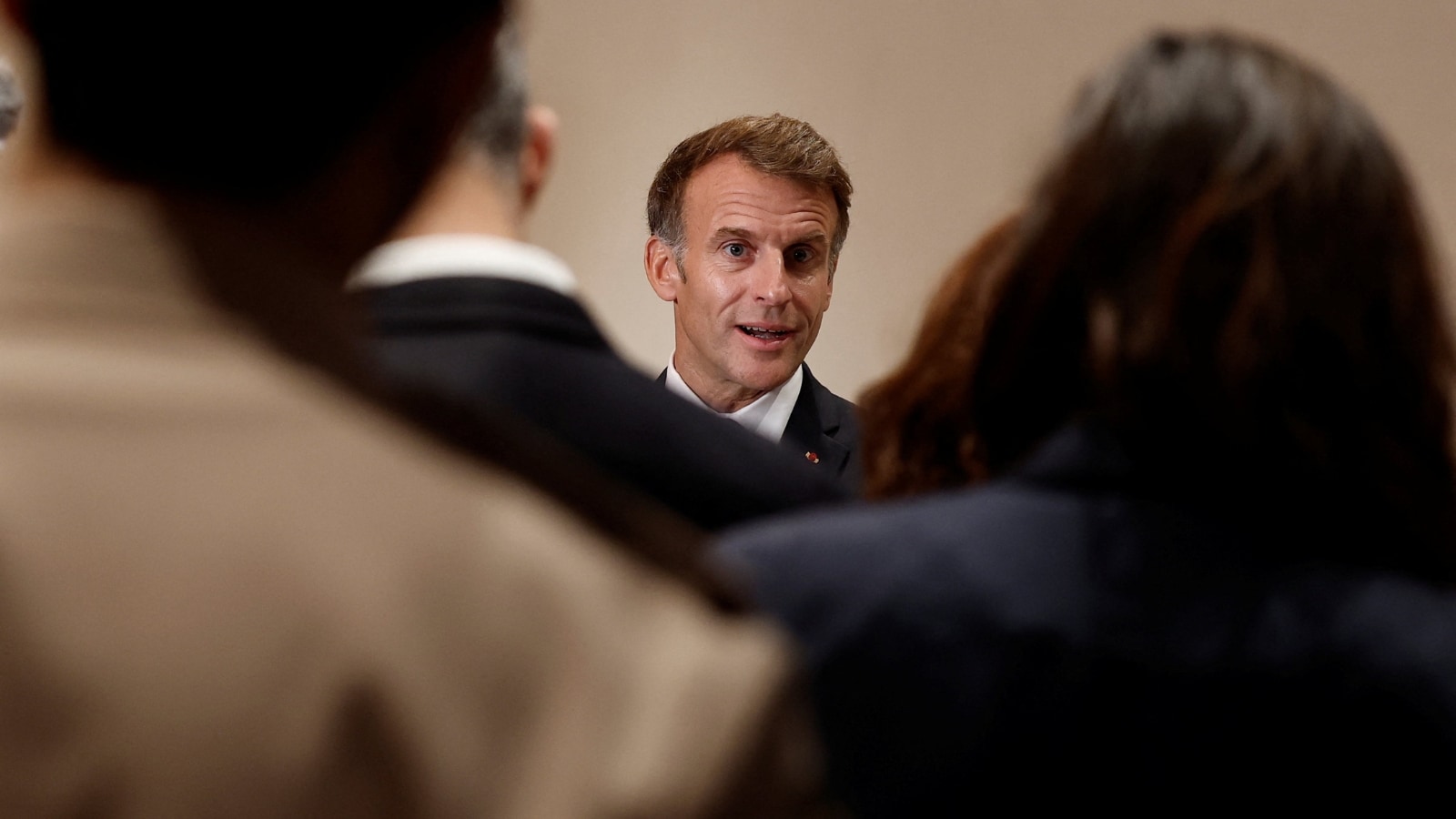
Take Emmanuel Macron's approach. The French leader didn't just drop a generic English tweet. He shared personal messages on social media across borders, explicitly reaching out to Indian communities in France, India, and globally, even translating core sentiments into Hindi. He framed the festival around unity, peace, and hope—universal concepts that resonate far beyond any single religious group. Similar coverage regarding this has been shared by USA.gov.
Similarly, Australian Prime Minister Anthony Albanese released a dedicated video address pointing out that the symbols of Diwali carry messages that stretch across cultural and religious boundaries. He emphasized compassion, understanding, and love, turning a festival of lights into a public masterclass in social cohesion.
Diaspora Influence and the Numbers Game
Why are Western leaders suddenly so fluent in the vernacular of Diwali? Follow the demographics.
The Indian diaspora across North America, Europe, the UK, and Australia has grown into an economic, political, and professional powerhouse. Tech executives, medical directors, startup founders, and policymakers of South Asian origin occupy high-impact roles. More importantly, they vote.
When political figures wish their constituents a happy Diwali, they are acknowledging a vibrant community that drives local economies. It's smart politics, sure, but it also reflects genuine integration. Cultural festivals have evolved from niche community celebrations into mainstream civic events. When the US administration marks Diwali at the White House—with officials, entrepreneurs, and diplomats lighting traditional diyas—it signals that the diaspora's traditions are now part of the national cultural mosaic.
Soft Power and the Universal Appeal of Hope
Every country wants friends abroad. Soft power—the ability to attract and persuade through culture and values rather than coercion—has become the preferred currency for international influence.
Diwali's core narrative offers a ready-made framework for global diplomacy. The themes of light overcoming darkness, knowledge banishing ignorance, and hope prevailing over despair don't require translation. In a world currently wracked by regional conflicts, economic anxiety, and political polarization, a message centered on peace and collective prosperity finds a ready audience.
When leaders from diverse political backgrounds—spanning Western democracies, Gulf states, and regional neighbors—simultaneously invoke these themes, they tap into a shared human desire for stability. It creates a rare moment of diplomatic harmony where competition takes a back seat to shared values.
Expect this trend to accelerate. As global mobility increases and diaspora communities continue to weave themselves into the fabric of adopted homelands, cultural diplomacy will only matter more. Diwali has proven that traditions rooted in ancient history can speak directly to the modern geopolitical reality, turning local celebrations into global moments of connection.