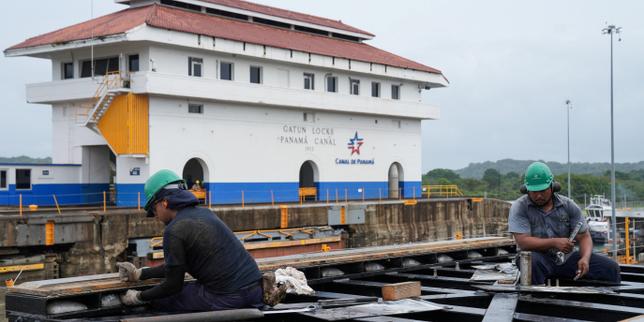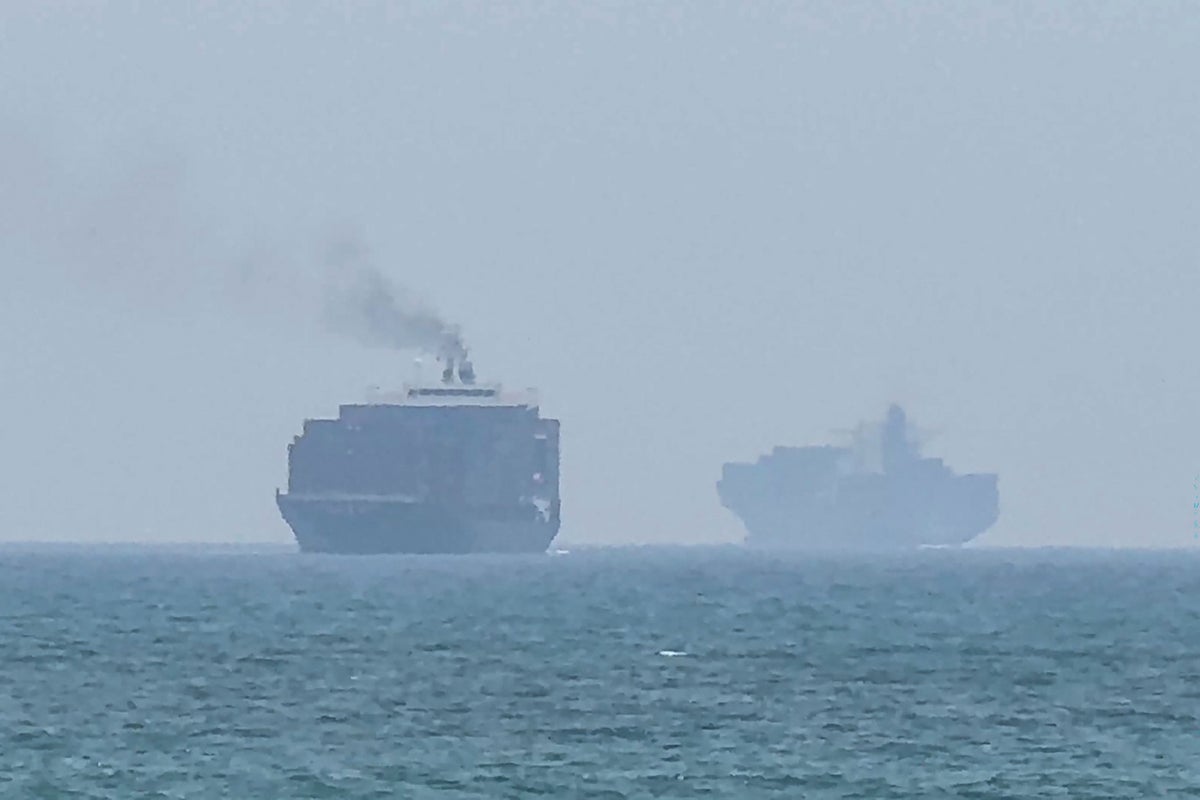
Commercial shipping has effectively ground to a halt in the Strait of Hormuz. After a series of rapid-fire military exchanges between the US and Iran, major maritime carriers are simply refusing to send their vessels through the world's most critical energy chokepoint. They aren't risking it. If you think this is just another brief Middle Eastern flare-up that won't affect your daily life, you're dead wrong.
When the US and Iran trade strikes, global markets don't just flinch. They paralyze. Insurance premiums for tankers looking to cross the region have skyrocketed to astronomical levels overnight, forcing fleets to anchor in safe waters or take massive, costly detours around Africa. This isn't a temporary hiccup. It's a fundamental breakdown of global energy transit that will hit consumer pockets within weeks.
The Reality of the Hormuz Chokepoint
Look at a map. The Strait of Hormuz is a narrow stretch of water separating Iran from Oman. At its narrowest, the shipping lanes are only two miles wide. Yet, roughly a fifth of the world's petroleum passes right through this tiny bottleneck every single day.
When Tehran declared that transit was blocked due to US military actions, it didn't just shut down a waterway. It choked global commerce. Shipping giants like Maersk and MSC aren't waiting around for a stray missile to incinerate a multi-million dollar vessel. They stopped operations immediately.
The immediate reaction from corporate boards was pure panic. Oil prices spiked instantly. Energy traders are scrambling because they know something the average consumer doesn't. There's no easy alternative to Hormuz. You can't just reroute millions of barrels of oil a day through overland pipelines that don't exist or don't have the capacity.
What the Mainstream Media Misses About the Shipping Freeze
Most news outlets focus entirely on the military theater. They talk about missile counts, troop deployments, and political posturing in Washington and Tehran. But they miss the actual mechanics of how international shipping breaks down.
It comes down to insurance companies, not just captains. Maritime underwriters dictate where ships can go. The moment a region is designated a war zone, the cost to insure a hull jumps by hundreds of thousands of dollars per voyage. For many operators, it makes the trip financially impossible, even if they were brave enough to sail through a crossfire.
The Hidden Math of Rerouting Tankers
When a tanker avoids Hormuz, it usually means sailing all the way around the Cape of Good Hope. Let's look at what that actually means for a standard journey to Europe or North America.
- It adds at least 10 to 14 days of travel time.
- Fuel consumption costs soar by hundreds of thousands of dollars.
- It ties up global vessel capacity, creating a severe shortage of available ships elsewhere.
This creates a massive bottleneck. The supply chain isn't built to absorb that kind of sudden delay.
The Economic Domino Effect Heading Your Way
You might think an oil freeze only matters if you're filling up a gas tank. That's a huge misconception.
Petroleum is the baseline ingredient for everything. Plastics, fertilizers, pharmaceuticals, and manufacturing logistics all rely heavily on stable oil prices. When shipping stops in the Middle East, the price of transporting every single container on earth goes up.
Energy security analysts have warned for decades about a worst-case scenario in the Gulf. We're watching it play out in real time. If these strikes continue and the strait remains a no-go zone for commercial fleets, the global economy faces a severe stagflationary shock that central banks can't easily print their way out of.
Practical Next Steps for Businesses Facing Supply Disruption
Waiting for a diplomatic breakthrough is a losing strategy. Companies need to protect their supply lines right now.
First, audit your tier-one and tier-two suppliers immediately. Find out exactly how much of your inventory or raw materials rely on maritime routes through the Middle East or Indian Ocean.
Second, transition toward regional stockpiling. The era of just-in-time manufacturing is a liability when geopolitical chokepoints close down overnight. Build buffer stocks of critical components, even if it hurts your short-term cash flow.
Secure your shipping capacity early. Freight rates are going to climb significantly as carriers adjust to the new normal. Locking in long-term contracts now will save you from paying exorbitant spot-market prices later this month. The shipping lanes are dark, and they won't open up safely anytime soon.