When regional elections trigger massive public protests, a government's true character shows in how it treats its own citizens. Right now, Pakistan-occupied Kashmir is experiencing a severe crisis. Human rights organizations are speaking out loudly against what they call a long history of unlawful violence. You aren't just looking at isolated clashes. You're watching a systematic crackdown involving internet blackouts, enforced disappearances, and mounting civilian casualties.
Why does this matter right now? Because international watchdogs like Amnesty International and the Committee to Protect Journalists are drawing a direct line between current state brutality and past actions. If you enjoyed this article, you might want to check out: this related article.
The Reality Behind the Iron Curtain in PoK
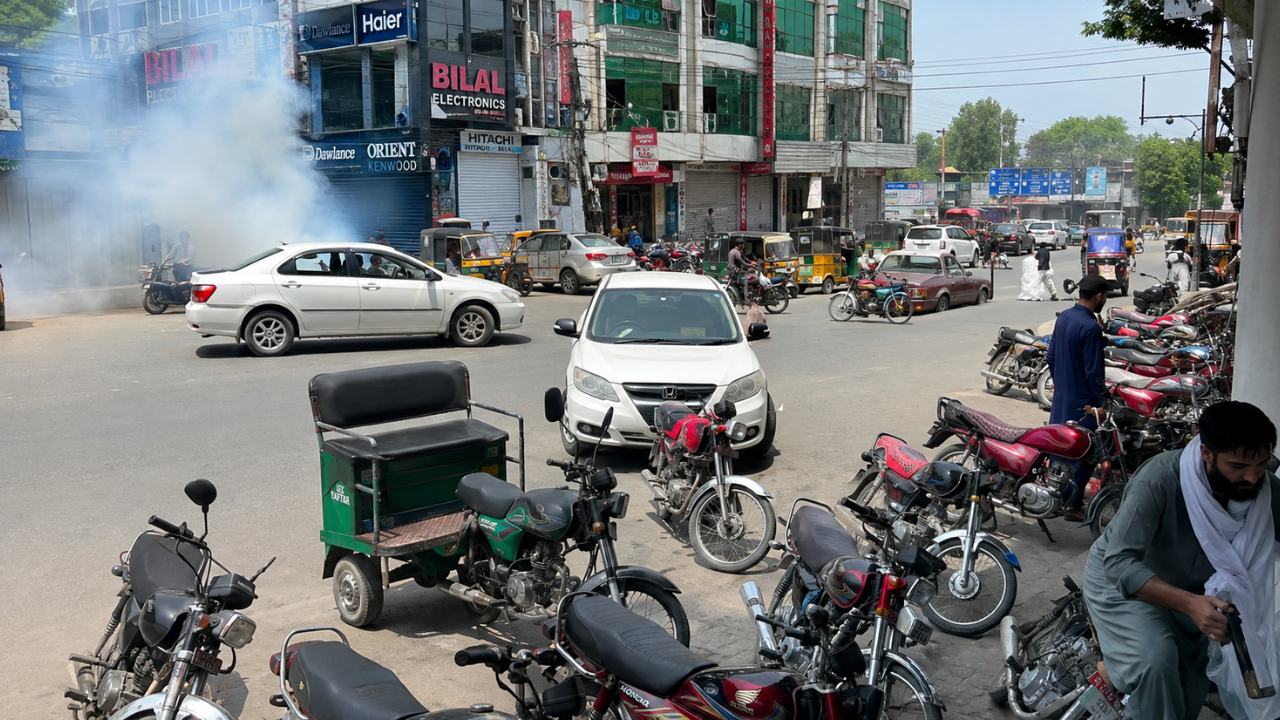
Let's look at the facts on the ground. As assembly polls progress, security forces have clamped down heavily on civilian demonstrations. Rawalakot became a major flashpoint after security forces allegedly opened fire on crowds.
According to figures compiled by the Human Rights Council of Pakistan-occupied Jammu & Kashmir (HRC-PoJK), the death toll climbed significantly during these ongoing demonstrations. Dozens of civilians have lost their lives across areas like Rawalakot, Mirpur, and Muzaffarabad. For another look on this story, see the recent update from The Guardian.
When security forces use lethal force against unarmed protesters, the state usually relies on a playbook of denial and information suppression. This instance is no different.
Silencing the Messengers: Media Blackouts and Disappearances
You can't hide state violence without cutting off the internet. Authorities imposed severe internet and mobile service blackouts across the region. This isn't just about stopping communication; it's about blocking independent verification.
Journalists trying to cover the ground reality face immediate retaliation. The Committee to Protect Journalists (CPJ) highlighted alarming cases, including independent journalist Razi Tahir and his colleague Muhammad Saif. Men in police uniforms allegedly snatched them from their office in Islamabad, and their whereabouts remain unknown.
When reporters vanish, it sends a clear warning to everyone else: look away or share the same fate.
What International Organizations Are Demanding
Amnesty International didn't mince words in their public statements. They pointed out that these violent crackdowns fit a familiar, disturbing pattern.
Key demands from global watchdogs include:
- Ordering an immediate, independent, and transparent investigation into the use of lethal force.
- Restoring all telecommunications and internet services immediately to lift the information blockade.
- Permitting independent media observers and human rights monitors unhindered access to the affected areas.
- Acknowledging state custody of detained journalists and ensuring due process or immediate release.
Ignoring these calls only deepens the isolation of the administration overseeing the region.
The Broader Geopolitical Cost
You have to ask what authorities hope to achieve through absolute control. Suppressing dissent with bullets and censorship doesn't solve structural grievances. It only radicalizes the local population and draws harsh global condemnation.
When regional stability depends on cutting off mobile networks and locking up reporters, the foundation is already cracking. Keep a close eye on how international pressure evolves in the coming weeks. Real accountability starts with transparency, and right now, transparency is entirely missing.
POJK Unrest: 40 Killed as Crackdown Sparks Global Outrage | Amnesty Demands Probe
This video provides an overview of the escalating violence and human rights concerns surrounding the recent crackdown in Pakistan-occupied Kashmir.
http://googleusercontent.com/youtube_content/1