We usually talk about golf as a pastime for the wealthy or a weekend escape for retirees. But in Eswatini, the sport is turning into something entirely different. It is acting as a genuine lifeline for youth development, opening doors that academic credentials alone often cannot unlock.
When you look past the manicured greens and pristine fairways, you find a growing movement spearheaded by trailblazing professionals like Nobuhle Dlamini and dedicated coaches like Bhekisisa Bhembe. They aren't just teaching kids how to swing a driver or read a putt. They are building character, instilling discipline, and creating unexpected pathways to international universities and global careers.
Why Golf Works When Traditional Sports Fall Short
Football and running dominate most of African youth sports. They require minimal equipment and capture everyone's imagination. So why pivot to a sport historically locked behind high financial and social barriers?
Golf teaches a distinct kind of psychological endurance. There are no referees to blame, no teammates to carry your mistakes, and no clock running out to save you from a bad shot. Honesty and personal accountability rule the course.
- Emotional Regulation: Players must recover instantly from a terrible hole.
- Global Networking: The sport exposes young people from modest backgrounds to professionals, executives, and international mentors.
- Academic Bridges: Foundations and golf programs increasingly tie performance and discipline on the course to scholarship opportunities abroad.
Breaking the Elite Barrier
For decades, golf in southern Africa carried an exclusionary shadow from colonial-era country clubs. Changing that reality takes active work. Programs across Eswatini are dragging the sport out of exclusive enclaves and dropping it into local communities.
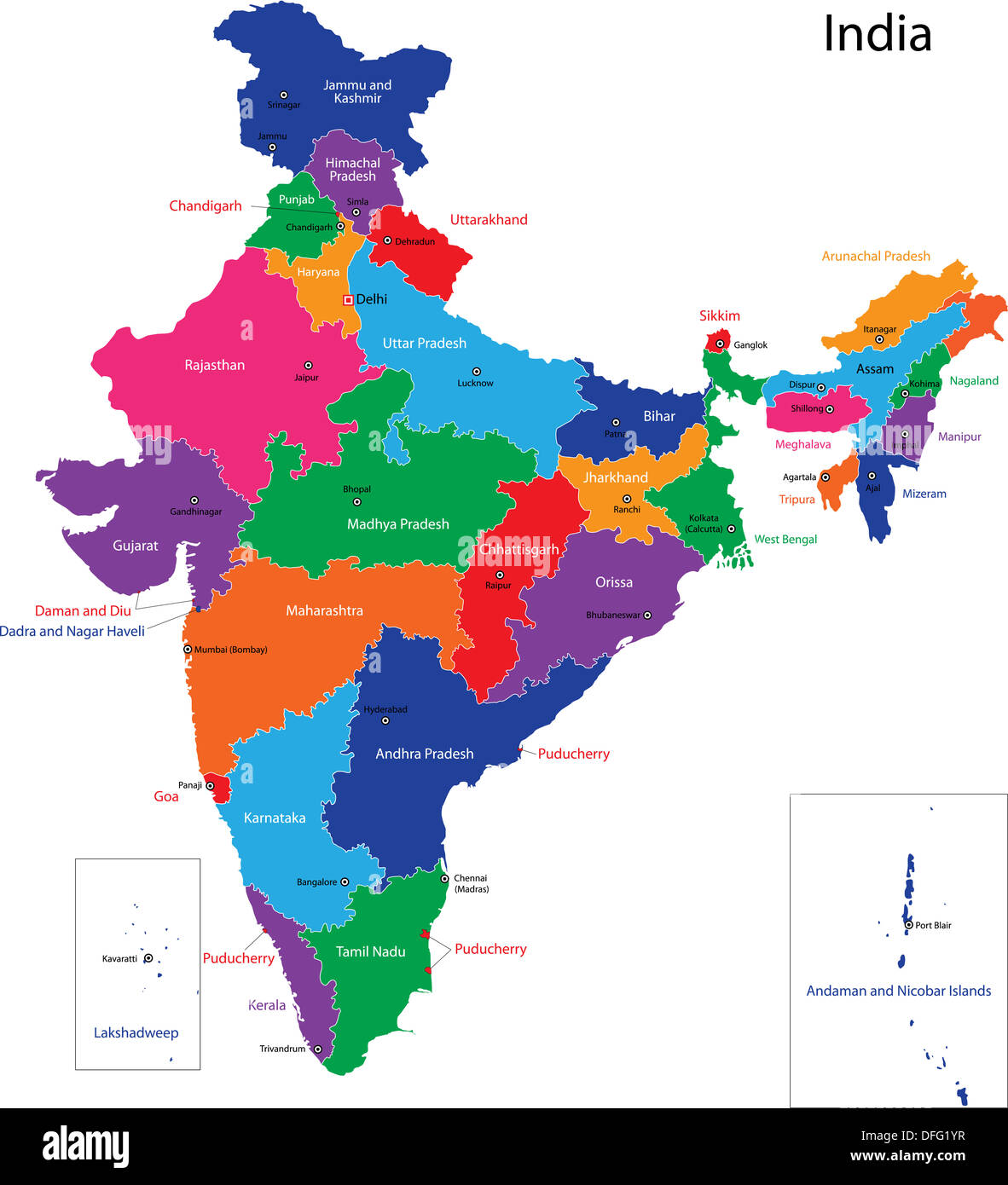
Kids who never imagined stepping foot on a golf course are learning the fundamentals with battered clubs and donated balls. They practice on local ranges, treating every swing as an audition for a bigger future. When juniors transition from local fairways to international classrooms—such as students heading off to universities in India or South Africa—they carry the mental toughness learned through missed cuts and tricky hazards.
The Long Game of Youth Empowerment
Skeptics often ask if pouring resources into golf makes sense when regions face immediate economic pressures. It is a fair question. But the return on investment isn't about immediate tournament trophies. It is about human capital.
When a young golfer learns etiquette, public speaking, financial literacy through sports management, and global networking, they become employable anywhere. Figures like Dlamini—who carved out a path on the Ladies European Tour coming straight out of Eswatini—prove that geographical barriers can shatter.
If you want to support youth empowerment in developing nations, look past short-term charity fixes. Support the infrastructure that teaches children how to play the long game, both on and off the course.