You paid the cash. The courts ruled the tax was illegal. So, where is your money?
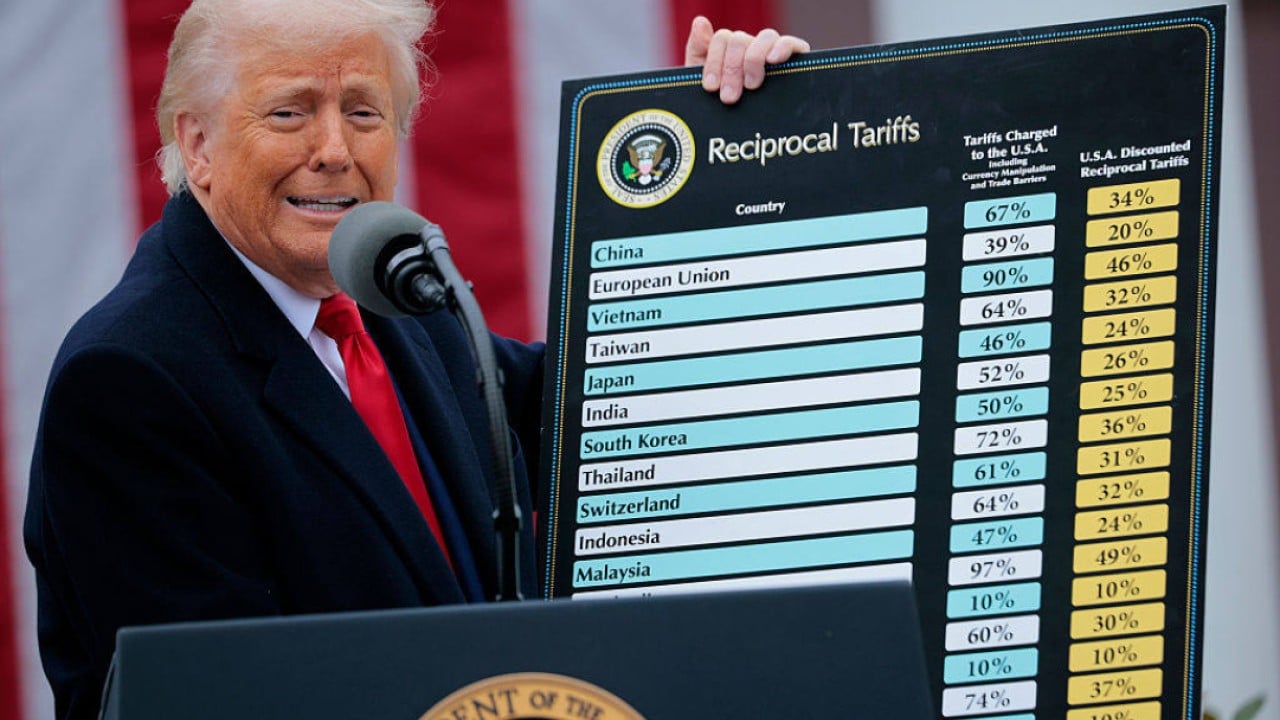
If you run an American business that imports goods, you likely felt a massive wave of relief when the US Supreme Court struck down Donald Trump’s sweeping global tariffs. The high court made it clear that using the International Emergency Economic Powers Act (IEEPA) to slap a blanket tax on almost all imports was a major abuse of executive power.
But winning the legal argument didn't automatically fill your bank account. In fact, it kicked off a chaotic, multi-billion-dollar game of bureaucratic tug-of-war.
The Court of International Trade (CIT) ordered US Customs and Border Protection (CBP) to give the money back. All of it. To everyone. But the Trump administration is fighting that directive with every legal stall tactic in the book. If you're waiting on a slice of the estimated $166 billion in total tariff refunds, you need to know exactly why the government is dragging its feet and what you must do to actually get paid.
The $166 Billion Logistical Nightmare
CBP isn't exactly moving with urgency, and to be fair, they are looking at a logistical disaster. When Judge Richard K. Eaton originally ordered immediate compliance to return the cash, the government panicked. The sheer scale of the operation is hard to process.
- Over 330,000 individual importers paid these illegal duties.
- Those payments are spread across 53 million separate customs entries.
- Processing them manually would take an estimated 4.4 million labor hours.
CBP's core tech system, the Automated Commercial Environment (ACE), simply wasn't built for a mass undo-button. The agency had to scramble to build a brand-new portal called the Consolidated Administration and Processing of Entries (CAPE) just to handle the influx.
As of late May, the CAPE system has managed to pump out about $20 billion in refunds. That sounds impressive until you realize there is still at least $65 billion approved and waiting on the runway—and billions more stuck in legal limbo.
The Government Strategy to Shortchange Importers
Here is where the situation gets messy. The Department of Justice (DOJ) isn't just complaining about bad software; they are actively trying to shrink the pool of people who get paid.
The main battleground centers on what customs lawyers call "finally liquidated entries." In plain terms, these are older shipments where the tax bill was finalized and settled before the Supreme Court dropped its hammer.
Judge Eaton explicitly ruled that all importers of record are entitled to their money back, regardless of when the cargo landed. The DOJ completely rejects this. They filed a formal appeal arguing that the trade court doesn't have the jurisdiction to issue a universal order for finalized accounts. The government's stance? If a company didn't active file an individual lawsuit or a formal protest within their narrow standard window, the government gets to keep their illegal tax money.
It's a bold strategy. The DOJ is essentially trying to split importers into two groups to save the Treasury billions. They want to reward the massive corporations who had the legal budget to sue immediately, while freezing out the smaller businesses that couldn't afford a retainer.
High-Stakes Drama in the Trade Court
The tension between the judiciary and the executive branch is reaching a boiling point. Judge Eaton's patience has clearly run out. He demanded that CBP Commissioner Rodney Scott show up in person to explain why the agency is refusing to open the refund portal to older, liquidated entries.
The Trump administration responded by doing exactly what you'd expect: they ran to an appeals court to block the chief from having to testify. DOJ lawyers argue that dragging an agency head into court breaks separation-of-powers rules.
While the lawyers argue over executive privilege, businesses are paying the price. The government is already on the hook for nearly $700 million per month in interest on the unreturned funds. That is taxpayer money burning away simply because the administration refuses to concede defeat gracefully.
What Importers Must Do Right Now
Don't wait for a check to magically appear in your mailbox. If you sit on your hands, you risk missing out completely, especially with the government trying to shut down universal refunds.
First, check your tech. CBP made electronic refund registration mandatory. Amazingly, out of the 330,000 affected importers, only a tiny fraction have completed the mandatory electronic setup in the automated system. If your company hasn't set up its electronic direct deposit profiles with CBP, your refund will get rejected or delayed indefinitely. Get your customs broker on the phone today to verify your status.
Second, audit your entries. Separate your unliquidated or recently entered shipments from your older, finalized ones. The CAPE portal is actively processing the unfinalized claims right now. If your claims fall into the older "finally liquidated" basket, you are currently stuck in the middle of the DOJ appeal.
Do not rely on the court's universal order to save you. Talk to trade counsel about whether you need to file independent protective claims or actions to preserve your rights before the government successfully narrows the path to recovery. The legal window to protect older entries is shrinking, and waiting for the bureaucracy to fix itself is a losing strategy.