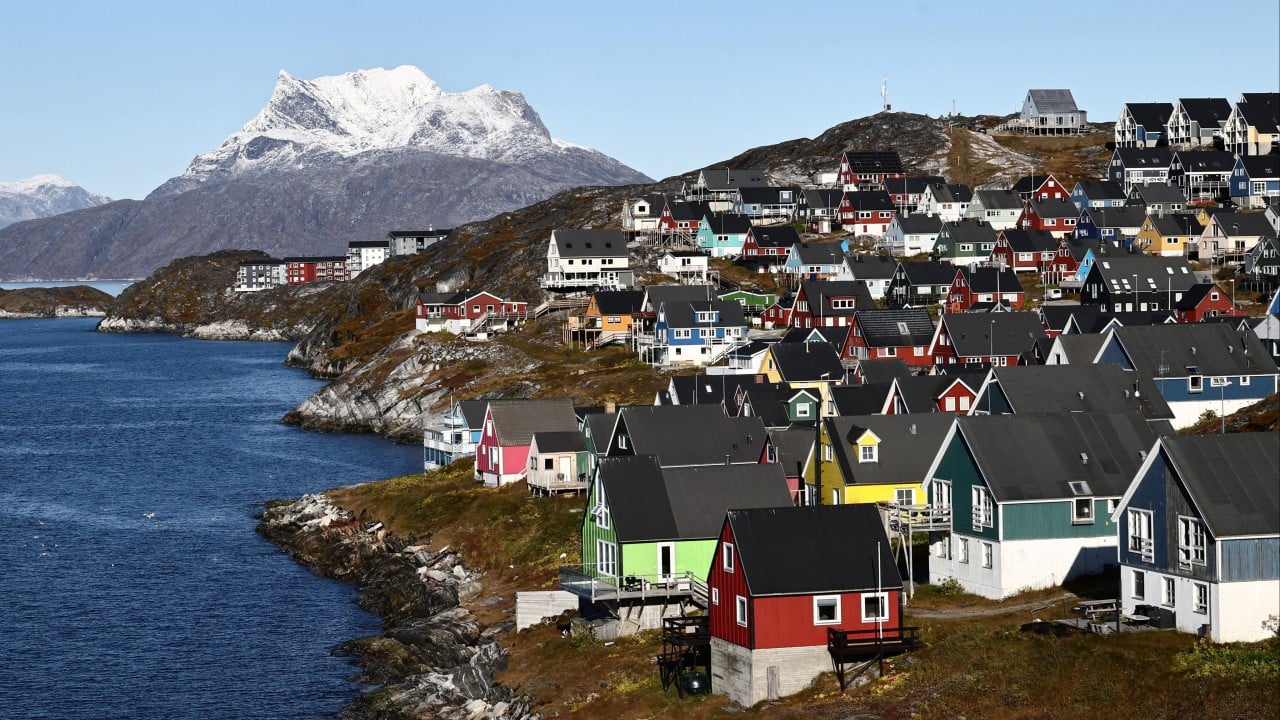
Greenland didn't want to sign a security pact under intense geopolitical pressure, but reality leaves little room for romantic isolation. The territory's parliament, the Inatsisartut, voted 16 to zero—with seven abstentions—to ratify the high-stakes Arctic security agreement struck with Washington.
If you look past the diplomatic handshakes in New York, the underlying friction is obvious. Local politicians openly questioned the immediate economic value of the pact, but when a superpower like the United States starts discussing strategic control and military options for the Arctic, small self-governing territories don't have the luxury of walking away.
What the Greenland Deal Actually Entails
The agreement isn't just a vague piece of paper. It fundamentally reshapes the geopolitical architecture of the High North. First, it paves the way for the United States to establish two new military bases on the island, incorporating strategic nodes for the expanded missile defense architecture often referred to as the Golden Dome system.
Second, the pact builds an economic and security wall around the territory. It effectively blocks countries outside of the European Union and NATO—most notably China and Russia—from gaining footholds in Greenland's sensitive sectors, such as rare earth mining and infrastructure development.
Foreign Minister Múte Egede didn't sugarcoat the situation during the debate in Nuuk. He noted that peace and stability are no longer things anyone can take for granted. The path here hurt. It forced a fragile autonomous government to navigate the competing interests of Denmark, Washington, and its own domestic independence movement.
Why Opposition Leaders Called Out the Economic Value
Not everyone in Nuuk was popping champagne. The Naleraq party, which acts as a prominent voice for complete Greenlandic independence, fiercely questioned what ordinary citizens actually get out of the arrangement.
Pele Broberg, the chair of Naleraq, pointed out the core grievance during parliamentary debates: the island is looking for an agreement that builds wealth and self-sufficiency for a future independent state. From their perspective, the treaty delivers plenty of security for Washington and NATO, but it leaves local economic gains looking thin.
You can't eat strategic missile defense. When you're sitting on a massive treasure trove of critical minerals yet struggling with high living costs and infrastructure gaps, trading sovereignty for defense footprints feels like a raw deal to local nationalists.
The Sovereignty Compromise and the Denmark Factor
To understand why this agreement passed despite the grumbling, you have to look at how it protects Danish sovereignty and local self-determination. The text explicitly recognizes the right of Greenland's population to determine their own future, meaning the path to eventual independence from Denmark remains legally intact, even with American troops expanding their footprint.
Furthermore, the executive agreement tries to sweeten the pill for local contractors. It requires the United States to award construction and service contracts for the new and existing facilities to Greenlandic sources to the maximum extent possible. Whether that local procurement clause satisfies critics remains to be seen, but it gave enough cover for lawmakers to avoid a catastrophic diplomatic breakdown.
The ball now moves to Copenhagen. The Danish parliament is scheduled to hold its readings and final vote later in November. Because this is structured as an executive agreement, it bypasses the hurdles of the U.S. Senate, meaning ratification by Denmark is the final procedural gate before it locks into place permanently.
Greenland made its pragmatic choice. Security in a fracturing world always demands a heavy price.