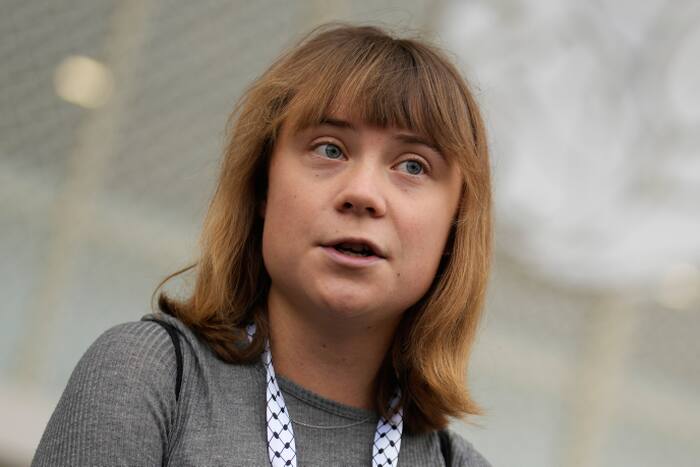
Greta Thunberg just walked back into the United Nations climate arena, and she brought zero diplomatic pleasantries with her. Marking her first return to a global climate summit since her famous "blah, blah, blah" critique in Glasgow back in 2021, the prominent activist arrived at COP31 in Antalya, Turkey, with a stark declaration that everything we love is at stake.
Her timing couldn't be sharper. With global weather systems reeling from severe heat waves and persistent energy shocks, her presence immediately punctured the carefully curated atmosphere of corporate greenwashing and diplomatic handshakes.
The Hypocrisy Problem at COP31
Let's be real about how these summits work. Year after year, major international climate conferences are hosted by nations deeply embedded in fossil fuel extraction. COP31 in Antalya is co-hosted by Turkey and Australia, two countries pushing hard for renewable energy and rooftop solar while continuing to lean heavily on coal and oil. Previous summits unfolded in petro-states like Azerbaijan, the United Arab Emirates, and Brazil.
Thunberg didn't sugarcoat it when she addressed journalists at the venue. She called the annual summits an opportunity for host nations to whitewash their environmental records while negotiations remain packed with lobbyists from destructive energy corporations.
When political and economic frameworks prioritize short-term profit margins over long-term habitability, ordinary people pay the price. She pointed out that our current global structures are fundamentally incompatible with human survival.
What Turkey Wants Versus What Youth Activists Demand
While Thunberg delivered a scathing critique, COP31 hosts are championing a specific transition goal: global electrification. Turkey aims to push electricity consumption derived from renewable sources like solar and wind up to thirty-five percent by 2035, climbing from roughly twenty-three percent today. Shifting transportation, buildings, and heavy industry away from direct fossil fuel combustion sounds promising on paper.
Yet youth delegates and negotiators on the ground argue that targets set a decade out don't fix the active disasters unfolding right now.
Amber Turner, a fellow with the Alliance of Small Island States, noted that heightened geopolitical tensions make it tough for young people to trust decision-makers. The impacts of a warming planet are already destabilizing vulnerable coastal communities and threatening the baseline security of future generations.
Kamori Osthananda, a youth negotiator representing Thailand, stressed that Thunberg's high-profile return puts direct pressure on the summit to deliver actual, enforceable implementation rather than empty promises.
Where the Movement Goes From Here
You might wonder if high-profile protests actually move the needle, or if they just create good television before everyone goes back to business as usual. Thunberg herself acknowledged the tension between despair and the desperate need for wins.
We have to take the victories we can get, she admitted, because the situation is too critical to ignore any positive sign that might help save what remains.
Her return shifts the spotlight away from closed-door boardroom deals and back onto the streets where the pressure originated. As COP31 runs through November 20, the real test won't be found in the glossy brochures handed out by corporate sponsors. It will be measured by whether negotiators can look past profit margins before the next climate disaster hits.