Grief is rarely quiet. Sometimes it arrives with the heavy boots of public order units, the low hum of a police helicopter overhead, and a town holding its breath.
The funeral of 18-year-old Jeremy O'Brien in Carlow town wasn't just a standard farewell. It was a flashpoint of a national trauma. O’Brien was one of five teenagers killed instantly when the BMW they were traveling in was driven down the wrong lanes of the M9 motorway, smashing head-on into an innocent family's vehicle.
When communities fracture under sudden violence, the aftermath exposes raw nerves. Understanding what happened requires looking past the simple headlines and examining the profound ripples left behind when young lives end in catastrophe.
The Heavy Atmosphere in Carlow
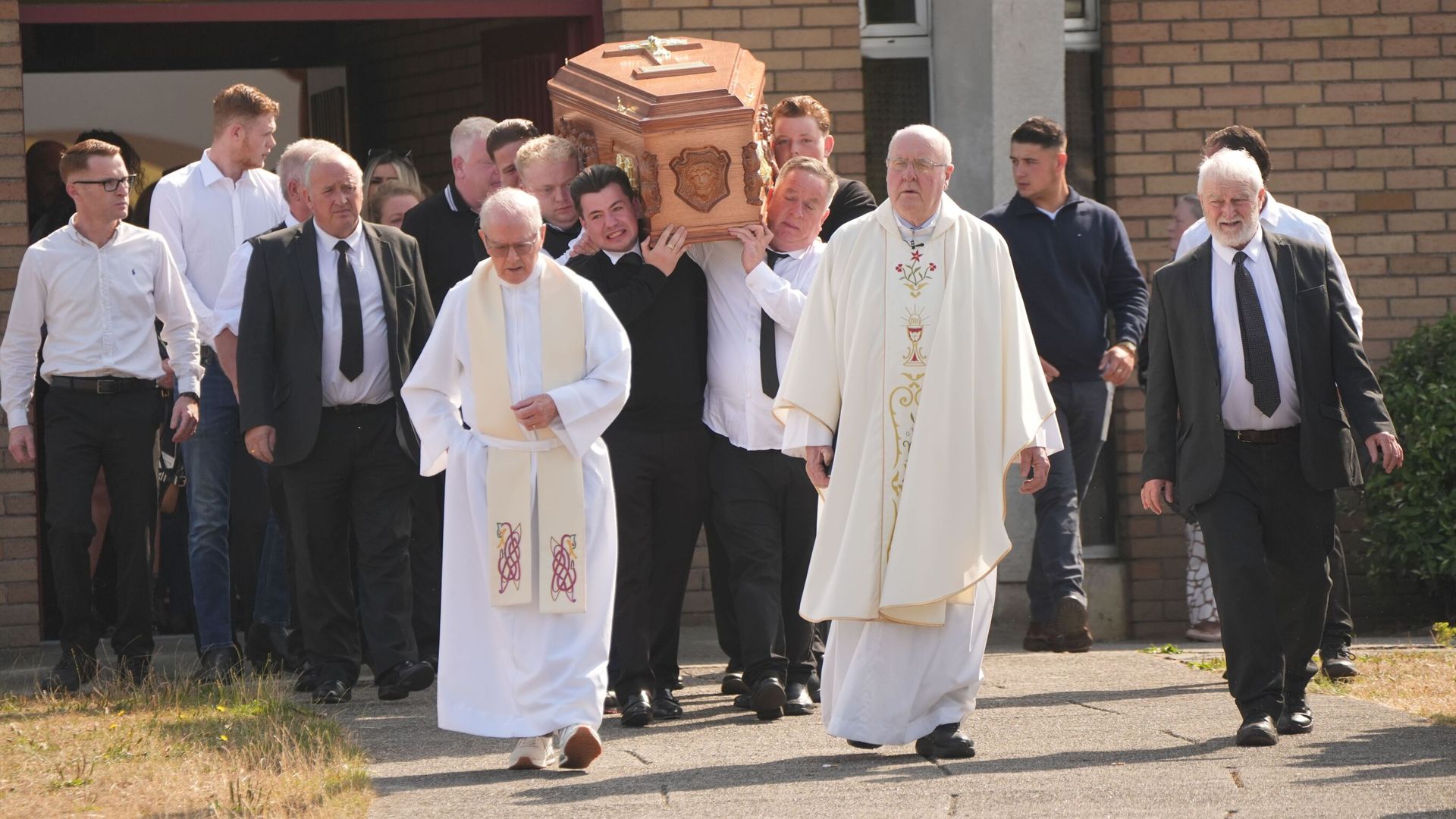
Heavy Garda presence dominated the streets surrounding the Holy Family Church in Askea. Authorities anticipated potential unrest amid simmering public anger over the circumstances of the crash. Checkpoints and specialized units served as a stark reminder that this was no ordinary funeral.
Yet inside the service, the tone shifted from security concerns to raw human heartbreak. Mourners walked behind a horse-drawn hearse, many wearing custom T-shirts bearing O'Brien's face. Families shattered by sudden loss are forced to navigate public scrutiny alongside private agony.
Fr Tom Little addressed the elephant in the room during his homily. He didn't sugarcoat the facts. He stated plainly to the congregation that what the boys did was wrong. At the same time, he urged the public not to let a single catastrophic mistake define the entirety of their young lives. It's a delicate tightrope—acknowledging accountability while refusing to abandon empathy.
The Ripple Effects on Innocent Lives
While five families mourn the loss of their teenage sons, another family fights for survival in hospital beds.
The vehicle the teenagers struck was carrying three women and a seven-year-old boy on their way to Dublin Airport for a family wedding. Those victims sustained severe injuries. Their journey was interrupted in a fraction of a second by a reckless, counter-flow motorway trajectory.
Margaret Berry, O'Brien's mother, voiced a sentiment that echoes the helplessness of the entire situation. In interviews ahead of the service, she expressed that if she could see the injured family, she would apologize. She admitted she had no idea why her son got into that car or why such a fatal decision was made.
Broader Questions About Modern Risk
Public discourse across Ireland has since pivoted to a disturbing phenomenon: vehicles being deliberately driven against traffic, sometimes fueled by the pursuit of online notoriety or social media engagement. Law enforcement agencies are facing intense scrutiny regarding pursuit protocols, tactical responses, and how to stop high-speed stolen vehicles without escalating danger.
When young people treat motorways like a video game, the physics catch up brutally. No amount of online bravado survives a head-on collision at highway speeds. The oversight bodies are investigating every angle of the police interaction leading up to the crash, ensuring transparency in an environment where trust is fragile.
Funerals like Jeremy O'Brien's mark a grim milestone, but they don't provide closure. They leave behind empty chairs at dinner tables, hospital wards filled with recovering victims, and a community forced to ask hard questions about youth culture, accountability, and safety on public roads.
Gardaí to receive pursuit training after M9 collision
This news report provides additional context on the policy changes and police response following the fatal M9 crash.