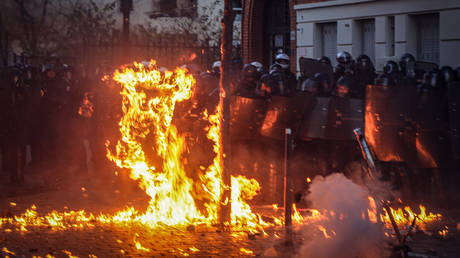
Diplomacy in Doha feels like watching two people play chess on a burning board.
negotiators are sitting across from Qatari mediators in Qatar right now, desperately trying to map out a path away from open military escalation in the Gulf. But let's be realistic about what is actually happening. With the US midterm elections wrapping up this week, the clock is ticking down fast. Everyone in Washington, Tehran, and the Gulf knows that once the voting booths close, political constraints shift—and the risk of direct US military strikes spikes significantly.
I've watched these Gulf diplomatic dances play out for years, and the current pattern is painfully familiar. High-stakes meetings in Doha follow marathon 12-hour sessions in Tehran. Officials drop hopeful hints about "open channels." Yet beneath the diplomatic noise, both sides remain locked in fundamentally incompatible demands.
Here is what is really driving the high-tension standoff in the Persian Gulf, why current proposals keep failing, and what happens next.
The Seven-Day Proposals That Nobody Can Agree On
The immediate point of friction centers on two competing "seven-day plans." Mediators keep trying to build confidence through step-by-step de-escalation, but neither side trusts the other enough to take step one.
- The Qatari Plan: Brought to Tehran recently, this plan outlines step-by-step daily actions over seven days to build mutual trust before broader peace negotiations start. Iranian officials quickly rejected it, calling the concessions insufficient.
- The Iranian Plan: On the table since September, Tehran's proposal demands that Washington lift the naval blockade of Iranian ports, unfreeze seized assets, and approve an Iranian-backed framework for shipping through the Strait of Hormuz. Only then would the strait fully reopen. The US has repeatedly shot this down.
Iranian Foreign Minister Abbas Araqchi recently insisted on Al Jazeera that Iran's proposal is the only realistic framework available to open the Strait of Hormuz. But from Washington's perspective, lifting sanctions and blockades upfront gives away all leverage before talks even begin. It's a total impasse.
Mixed Signals From Washington and Tehran
If you listen to the public statements coming out of Washington and Tehran, you get two completely different stories.
Speaking from Atlanta during a G20 foreign ministers meeting, US Secretary of State Marco Rubio downplayed specific deadlines while insisting that channels remain open. "There are multiple talks. Talks have actually never stopped," Rubio noted. He emphasized a preference for a diplomatic resolution, but added a sharp warning: the administration maintains total confidence in its military capabilities if diplomacy fails.
Meanwhile, diplomatic backchannels produced a rare direct outreach. Vice President JD Vance recently sent a letter to Iranian security chief Mohsen Rezaei to explore options for restarting talks. While Iranian officials confirmed they were reviewing the letter, President Donald Trump publicly minimized its scope. Trump claimed he only authorized the contact to address humanitarian aid and medical supplies into Iran.
"I said if you want to do that, that's ok. Basically, it's getting supplies in to help people that are not well," Trump said, downplaying any larger diplomatic breakthrough.
This contradiction highlights the core strategy in play: keep diplomatic channels open just enough to manage political optics, while preparing for military action if the status quo breaks down after midterms.
Military Readiness Reaches a Tipping Point
While envoys talk in air-conditioned rooms in Doha, military posture on the ground is hardening.
Iran's Supreme Leader Ayatollah Mojtaba Khamenei instructed armed forces along the Gulf coastline, the Strait of Hormuz, and the Gulf of Oman to maintain maximum readiness. His message posted to Telegram was unambiguous: "Any level or type of threat must be met with an immediate, impactful, and geographically unrestricted response."
Tehran has made it clear that any strike by US or allied forces will trigger immediate retaliation against bases and installations across neighboring states. This puts regional host countries—especially Qatar, the UAE, and Saudi Arabia—in a delicate position. They are hosting US military assets while simultaneously trying to prevent a war that would devastate regional infrastructure and global energy markets.
What Happens Next: Key Indicators to Watch
Forget the vague press releases. If you want to know whether this situation moves toward a deal or active strikes after midterms, watch these concrete indicators over the coming days:
- Strait of Hormuz Transit Protocols: Watch for any temporary maritime security agreements or unilateral shifts in naval escort postures near the strait.
- Third-Party Escrow and Asset Movement: Track whether any frozen Iranian assets in regional banks get greenlit for restricted humanitarian use, which would signal genuine movement on the Vance-Rezaei track.
- Regional Airspace Warnings: Monitor NOTAMs (Notice to Airmissions) and military advisories over the Persian Gulf. Pre-strike positioning always shows up in logistical airspace management first.
Diplomacy isn't dead yet, but it's operating on borrowed time. Once the domestic political noise of the midterms settles, Washington will expect real movement on the Strait of Hormuz—or the military options currently sitting on the table will move to the front line.