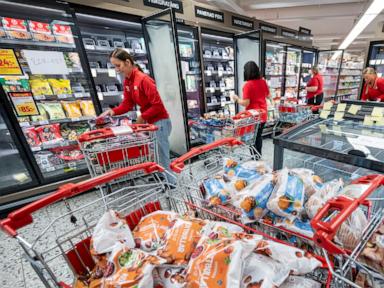
You don't usually think of your local grocery store freezer as a vector for cyber warfare. But across seven European countries, grocery aisles turned into accidental battlegrounds when hackers remotely seized control of supermarket refrigeration systems.
Freezers and cooling units in countries like Belgium, Sweden, Ireland, Finland, and Estonia suddenly malfunctioned. In some locations, temperatures were cranked all the way up to 50 degrees Celsius, turning cold-storage units into ovens, spoiling tons of fresh produce, and costing retailers millions. This isn't a sci-fi movie plot. It's a wake-up call about the fragile digital underbelly of our food supply chain.
The Anatomy of a Cold-Chain Cyberattack
Modern supermarkets run on automation. Every single fridge, freezer, and HVAC unit is tied into centralized digital control panels. Maintenance companies and store managers use these connected systems to monitor thermostats, run automated defrost cycles, and track energy efficiency remotely.
That convenience comes with a massive catch. Anything accessible via the internet is vulnerable if security is left lagging.
During these attacks, intruders bypassed external access controls or targeted vulnerable remote management software. Once inside, they didn't steal credit card numbers or encrypt corporate files for ransomware payout. They simply messed with the thermostats.
When you swing storage temperatures wildly between freezing and extreme heat, compressors burn out and food spoils instantly. In France, hundreds of stores faced similar disruptions weeks prior, forcing massive product write-offs. By the time the latest wave hit retailers like Delhaize, Carrefour, Coop, ICA, and SuperValu, it was clear this was a coordinated or highly replicable exploitation campaign rather than random glitches.
Why Legacy Hardware Is the Weak Link
If you look closely at what got compromised, a familiar pattern emerges. Many of the affected outlets relied on older refrigeration controllers—such as legacy Danfoss equipment—that no longer receive active software patches or security updates.
Supermarkets operate on razor-thin profit margins. Upgrading a store's entire fleet of refrigeration computers every few years isn't high on the priority list when the old boxes "still get the job down." But hackers know this. They scan for exposed industrial IoT endpoints, default passwords, and unpatched firmware sitting quietly on the public web.
Worse yet, some stores were connected via older mobile network configurations rather than modern, hardened corporate networks. That left small storefronts and franchise locations completely exposed to outside manipulation.
The Broader Threat to Critical Infrastructure
Governments and security agencies are taking notice. European authorities have flagged these incidents as deliberate attempts to disrupt supply chains and rattle consumer confidence.
We spend billions protecting bank servers and electrical grids, but we often overlook the basic infrastructure keeping milk, meat, and medicine cold. When bad actors can cause millions of euros in damage simply by logging into a grocery store's thermostat, the definition of critical infrastructure needs a serious update.
Retailers are now rushing to disconnect remote access ports, audit third-party vendor connections, and upgrade legacy controllers. But the damage is done, and the vulnerability is exposed.
Check your store's network segmentation today. If your industrial control systems talk directly to the open internet without multi-factor authentication or a secure VPN tunnel, you're rolling the dice.